About Jacksonville University
Students pay an average net price of $26,255 after financial aid, well below the $46,180 sticker price. Graduates earn a median of $68,010 ten years after graduation, making the typical debt load of $22,000 manageable with monthly payments of $233. The 97% employment rate suggests strong career outcomes. About 30% of students receive Pell Grants, indicating the school serves middle-class families alongside wealthier students.
The Dolphins compete in NCAA Division I athletics across 16 sports, with $7.9 million in athletic scholarships supporting 460 student-athletes. The 13:1 student-faculty ratio ensures personal attention, though the 57% six-year graduation rate suggests some students struggle to finish. Three-quarters of students return for sophomore year, indicating most find their footing quickly.
Academics & Faculty
Source: College Scorecard / U.S. Department of Education
- Student-to-Faculty Ratio
- 13:1
- Full-Time Faculty
- 58.9%
- Graduation Rate (4-year)
- 55.1%
- Graduation Rate (6-year)
- 57.0%
- Retention Rate
- 75.3%
- Median Earnings (10 years)
- $68,010
- Carnegie Classification
- Master's University (Large)
Popular Programs by Earnings
| Program | Level | Median Earnings |
|---|---|---|
| Registered Nursing, Nursing Administration, Nursing Research and Clinical Nursing. | Certificate | $87,420 |
| Registered Nursing, Nursing Administration, Nursing Research and Clinical Nursing. | Master | $82,440 |
| Business/Commerce, General. | Certificate | $73,737 |
| Registered Nursing, Nursing Administration, Nursing Research and Clinical Nursing. | Bachelor | $66,857 |
| Communication Disorders Sciences and Services. | Certificate | $59,515 |
| Finance and Financial Management Services. | Bachelor | $53,358 |
| Air Transportation. | Bachelor | $44,835 |
| Management Sciences and Quantitative Methods. | Bachelor | $44,189 |
| Marketing. | Bachelor | $44,170 |
| Health and Physical Education/Fitness. | Bachelor | $35,864 |
Campus Life
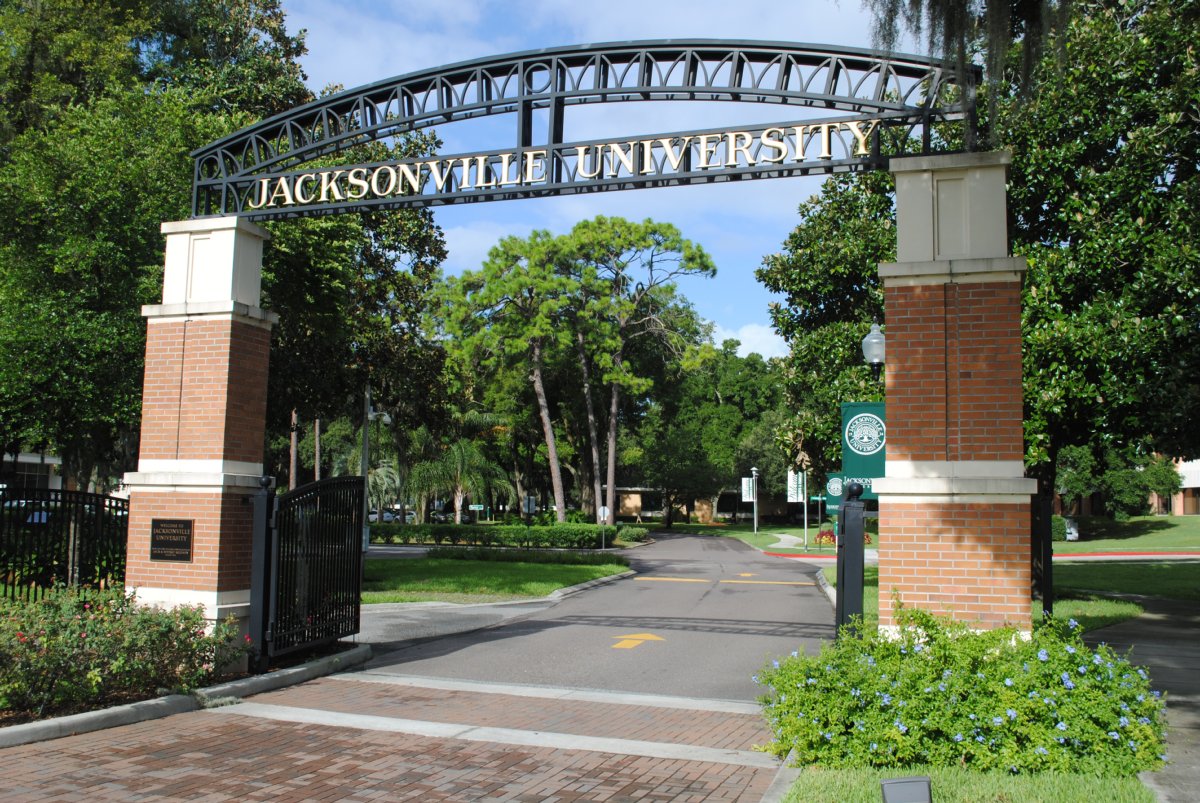
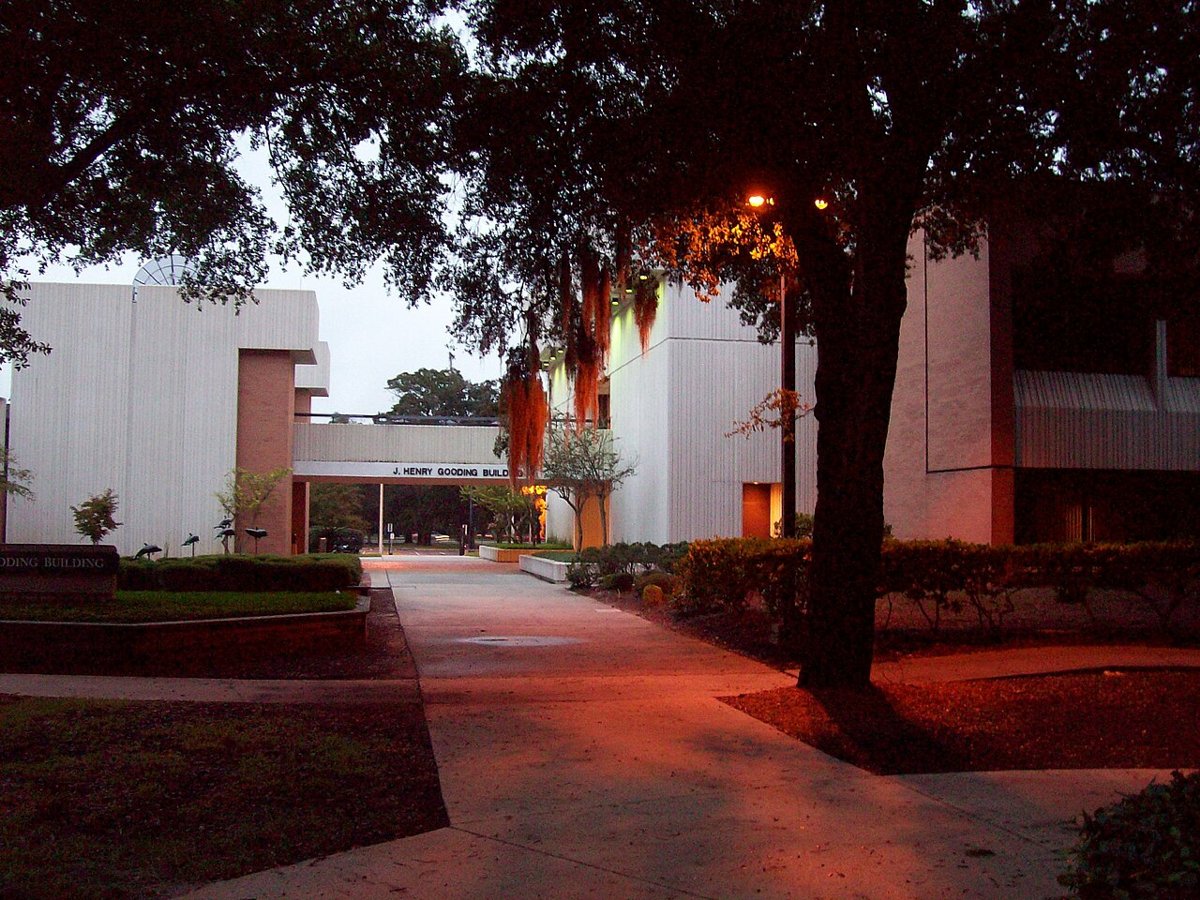
The 13:1 student-faculty ratio creates an intimate academic environment where professors know your name. With 16 varsity sports and 460 student-athletes, game days bring energy to campus, especially during basketball season in the newly renovated Swisher Gym. The riverfront campus offers stunning water views and hosts events like the annual River Day celebration. About 47% of students stay nearby after graduation, many landing jobs in Jacksonville's growing finance and healthcare sectors. Weekend activities center around the river, downtown Jacksonville just minutes away, or the beaches 30 minutes east. The combination of Division I athletics, marine science research opportunities, and urban internships creates a unique blend for the 75% of students who return each year.
- Setting
- City-Large
- Housing Capacity
- 1,454 beds
- Calendar System
- Semester
- Study Abroad
- Available
- Founded
- 1934
Campus Safety (2023)
10 total reported incidents. Source: Clery Act / U.S. Department of Education
| Offense | On Campus | Residential | Noncampus | Public Property |
|---|---|---|---|---|
| Fondling | 5 | 5 | 0 | 0 |
Climate & Weather
- January Avg
- 44°–65°F
- July Avg
- 73°–91°F
- Annual Precipitation
- 51.8"
- Annual Snowfall
- 0.0"
Student Demographics
- Men
- 40.4%
- Women
- 59.7%
- White
- 53.3%
- Black
- 14.9%
- Hispanic
- 16.0%
- Asian
- 2.3%
- In-State Students
- 53.4%
- Pell Grant Recipients
- 29.9%
Location
- Address
- Jacksonville, Florida 32211-3394
After College
Source: College Scorecard / U.S. Department of Education
- Median Earnings (10 years)
- $68,010
- Median Earnings (5 years)
- $78,212
- Mean Earnings (6 years after entry)
- $48,800
- Loan Repayment Rate
- 53.9%
- Monthly Loan Payment
- $233/mo
- Median Debt at Graduation
- $22,000
Frequently Asked Questions
What is the acceptance rate at Jacksonville University?
Jacksonville University accepts 57.69% of applicants, making it moderately selective. Students typically need SAT scores between 1060 and 1240 to be competitive for admission.
How much does Jacksonville University cost after financial aid?
The average net price at Jacksonville University is $26,255 after financial aid, lower than the full tuition of $46,180. Nearly 30% of students receive Pell Grants, and the typical graduate leaves with $22,000 in debt.
What academic programs is Jacksonville University known for?
Jacksonville University is particularly recognized for its marine science programs, taking advantage of its Florida coastal location. With a 13:1 student-faculty ratio among 2,649 students, the university offers personalized attention in its specialized programs.
What are the graduation rates at Jacksonville University?
Jacksonville University has a 57% six-year graduation rate and 55.1% four-year graduation rate. Graduates earn a median salary of $68,010 ten years after graduation, with a 97% employment rate.
Where do students live at Jacksonville University?
Jacksonville University houses 1,454 students on campus in the heart of Jacksonville, Florida. The university maintains a 75.29% retention rate, suggesting students are satisfied with campus life and academics.
Does Jacksonville University compete in Division I athletics?
Jacksonville University fields 16 varsity sports teams in NCAA Division I as part of the Atlantic Sun Conference. The Jaguars award $7.9 million in athletic scholarships to 460 student-athletes, including notable alumnus Tim Tebow.