
About Johnston Community College
The financial picture works in students' favor. Most students pay around $3,946 after aid, making this one of the most affordable college options in the state. Graduates earn a median of $37,310 ten years after starting, which represents solid return on investment for a two-year degree. The college keeps costs low while maintaining strong job placement rates at 94.6% for graduates entering the workforce.
The student body reflects the changing demographics of rural North Carolina, with 57% white students, 21% Hispanic students, and 16% Black students. Nearly all students come from in-state, creating a tight-knit community atmosphere. The Jaguars field just two varsity sports with only 14 total athletes, but the college focuses resources on academic and career preparation rather than athletics. Women make up 64% of enrollment, typical for community colleges nationwide.
Academics & Faculty
Source: College Scorecard / U.S. Department of Education
- Student-to-Faculty Ratio
- 13:1
- Full-Time Faculty
- 26.1%
- Graduation Rate (6-year)
- 28.8%
- Median Earnings (10 years)
- $37,310
Popular Programs by Earnings
| Program | Level | Median Earnings |
|---|---|---|
| Registered Nursing, Nursing Administration, Nursing Research and Clinical Nursing. | Associate | $55,964 |
| Allied Health Diagnostic, Intervention, and Treatment Professions. | Associate | $49,597 |
| Ground Transportation. | Certificate | $37,208 |
| Business Administration, Management and Operations. | Associate | $29,685 |
| Criminal Justice and Corrections. | Associate | $29,250 |
| Legal Support Services. | Associate | $27,295 |
| Allied Health and Medical Assisting Services. | Associate | $27,222 |
| Health and Medical Administrative Services. | Associate | $24,421 |
| Teacher Education and Professional Development, Specific Levels and Methods. | Associate | $22,329 |
| Liberal Arts and Sciences, General Studies and Humanities. | Associate | $16,834 |
Campus Life
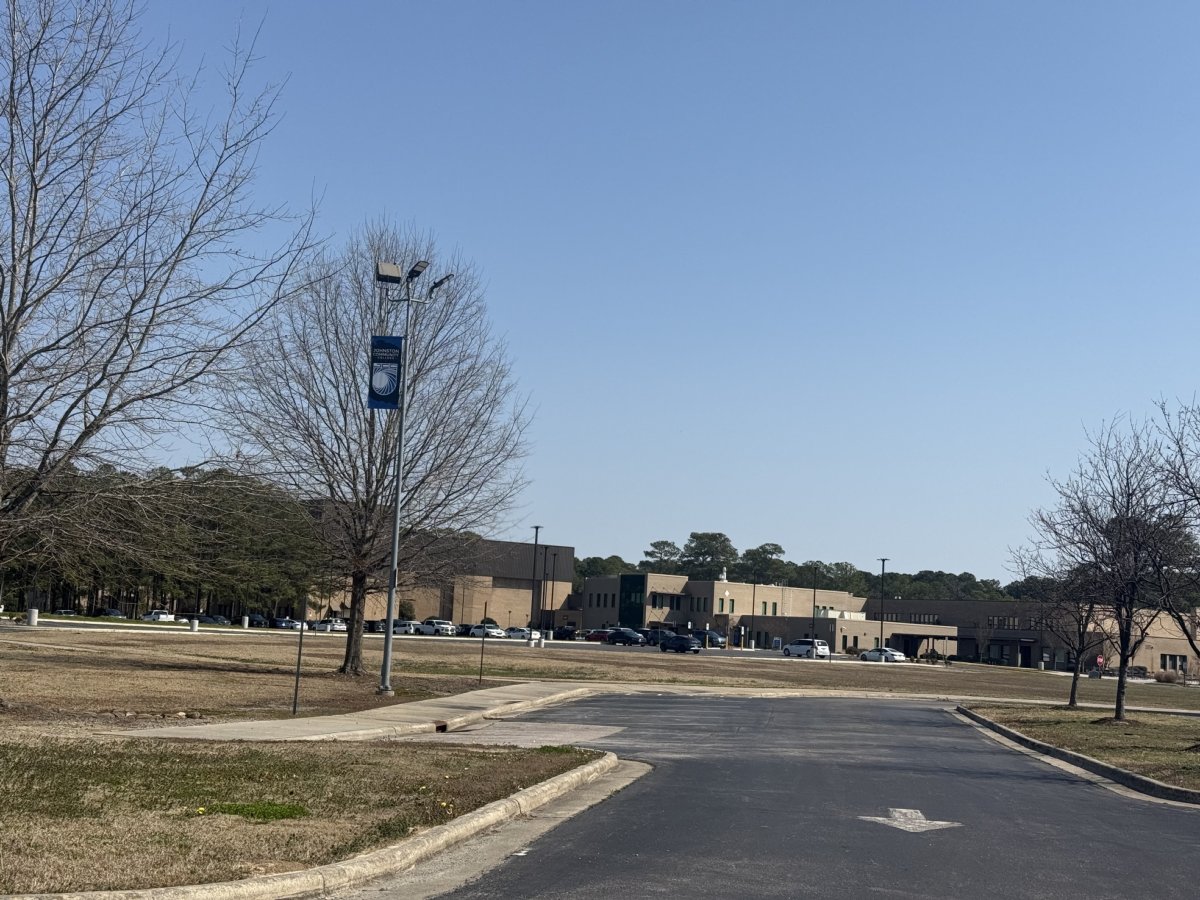
Since this is a commuter college without dormitories, students typically live at home or in nearby apartments. The 13:1 student-faculty ratio creates smaller class sizes where professors know your name. Women make up 63.74% of the enrollment, reflecting the college's strong nursing and early childhood education programs. With just 14 total athletes across 2 varsity sports, most students focus on academics and work rather than campus athletics. Weekends often involve part-time jobs or family time rather than college parties. The 94.6% employment rate suggests many students balance coursework with careers, creating a practical, goal-oriented campus culture focused on workforce preparation and transfer readiness.
- Setting
- Town-Fringe
- Calendar System
- Semester
- Founded
- 1969
Campus Safety (2023)
No reported Clery Act crimes in 2023.
Climate & Weather
- January Avg
- 29°–50°F
- July Avg
- 69°–89°F
- Annual Precipitation
- 47.8"
- Annual Snowfall
- 1.7"
Student Demographics
- Men
- 36.3%
- Women
- 63.7%
- White
- 56.8%
- Black
- 15.9%
- Hispanic
- 21.2%
- Asian
- 0.7%
- In-State Students
- 99.6%
- Pell Grant Recipients
- 23.2%
Location
- Address
- Smithfield, North Carolina 27577-2350
After College
Source: College Scorecard / U.S. Department of Education
- Median Earnings (10 years)
- $37,310
- Median Earnings (5 years)
- $42,753
- Mean Earnings (6 years after entry)
- $28,500
- Loan Repayment Rate
- 30.1%
Frequently Asked Questions
How competitive is admission to Johnston Community College?
Johnston Community College maintains an open admission policy typical of North Carolina community colleges. The school enrolls 2,998 students and serves as an accessible entry point for higher education in Johnston County. Nearly all students are North Carolina residents at 99.61%, reflecting its mission as a local workforce development center.
How much does Johnston Community College cost after financial aid?
Students pay an average net price of $3,946 after aid, with in-state tuition set at $2,657. Only 23.17% of students receive financial aid, suggesting many can afford the low base tuition. The college keeps costs manageable for working families, with net prices under $4,500 across all income brackets.
What academic programs is Johnston Community College known for?
The college operates on a semester system with a 13:1 student-faculty ratio, allowing for personalized attention in workforce development programs. Johnston Community College focuses on career training and transfer pathways to four-year universities. The school emphasizes practical skills training that connects directly to local job markets.
What career outcomes do Johnston Community College graduates achieve?
Graduates earn a median salary of $37,310 ten years after enrollment, with an impressive 94.6% employment rate. The 28.80% six-year graduation rate reflects the college's role serving working adults and part-time students. Many students transfer before completing degrees or enter the workforce with certificates and industry credentials.
What is campus life like at Johnston Community College?
The campus in Smithfield serves a diverse student body that is 63.74% women and includes significant Hispanic representation at 21.15%. Johnston Community College fields just 2 varsity sports with 14 total athletes competing as the Jaguars. The college functions primarily as a commuter school focused on academic and career preparation rather than traditional campus activities.
Does Johnston Community College offer financial support beyond federal aid?
Only 5.64% of students receive institutional grants, but those who do get an average of $6,594. The college's low base tuition means fewer students need extensive financial aid packages. With 0% federal loan usage, most students avoid debt entirely while pursuing their education.
Similar Schools
Wilkes Community College
Wilkesboro, North Carolina
Davidson-Davie Community College
Thomasville, North Carolina

Beaufort County Community College
Washington, North Carolina
Catawba Valley Community College
Hickory, North Carolina
Central Carolina Community College
Sanford, North Carolina

Caldwell Community College and Technical Institute
Hudson, North Carolina