About Lakeland Community College
Students pay an average net price of $7,557 annually, making college affordable for working families. Graduates earn a median of $39,612 ten years after enrollment, while typical student debt reaches just $14,751. The monthly loan payment of $156 reflects the school's commitment to keeping education costs manageable. This represents solid value for career training that leads directly to employment.
The student body is 62% female and draws almost exclusively from Ohio, with 99% of students coming from in-state. Nine varsity sports compete under the Lakers nickname, with 120 total athletes receiving $137,720 in athletic scholarships. The impressive 95.8% employment rate demonstrates how effectively the college prepares students for the regional job market. Only 22% of students receive Pell Grants, indicating the school serves middle-income families seeking affordable career preparation.
Academics & Faculty
Source: College Scorecard / U.S. Department of Education
- Student-to-Faculty Ratio
- 11:1
- Full-Time Faculty
- 100.0%
- Graduation Rate (6-year)
- 23.1%
- Median Earnings (10 years)
- $39,612
Popular Programs by Earnings
| Program | Level | Median Earnings |
|---|---|---|
| Registered Nursing, Nursing Administration, Nursing Research and Clinical Nursing. | Associate | $52,941 |
| Allied Health Diagnostic, Intervention, and Treatment Professions. | Associate | $49,331 |
| Clinical/Medical Laboratory Science/Research and Allied Professions. | Associate | $47,260 |
| Dental Support Services and Allied Professions. | Associate | $42,802 |
| Business Administration, Management and Operations. | Associate | $37,424 |
| Design and Applied Arts. | Associate | $33,281 |
| Criminal Justice and Corrections. | Associate | $32,925 |
| Human Development, Family Studies, and Related Services. | Associate | $21,508 |
| Liberal Arts and Sciences, General Studies and Humanities. | Associate | $20,530 |
Campus Life
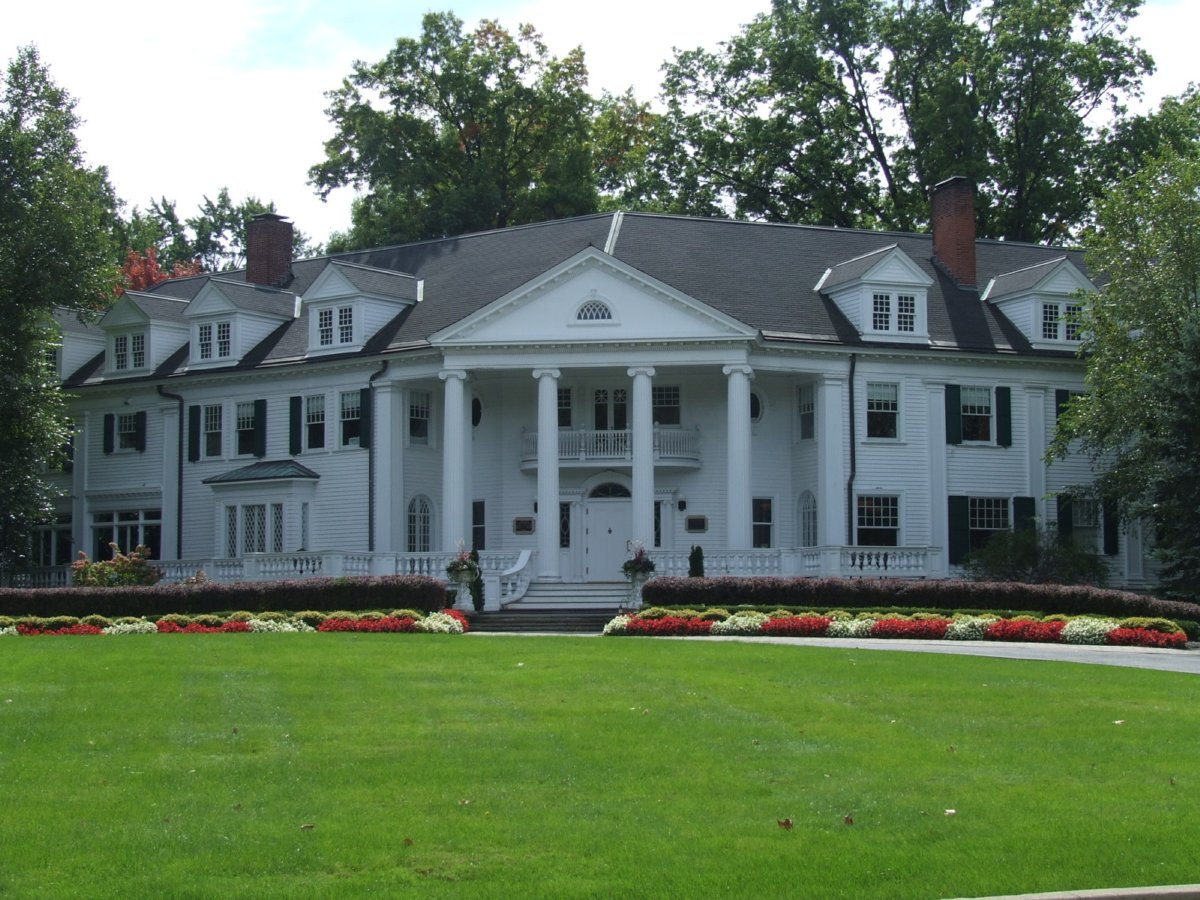
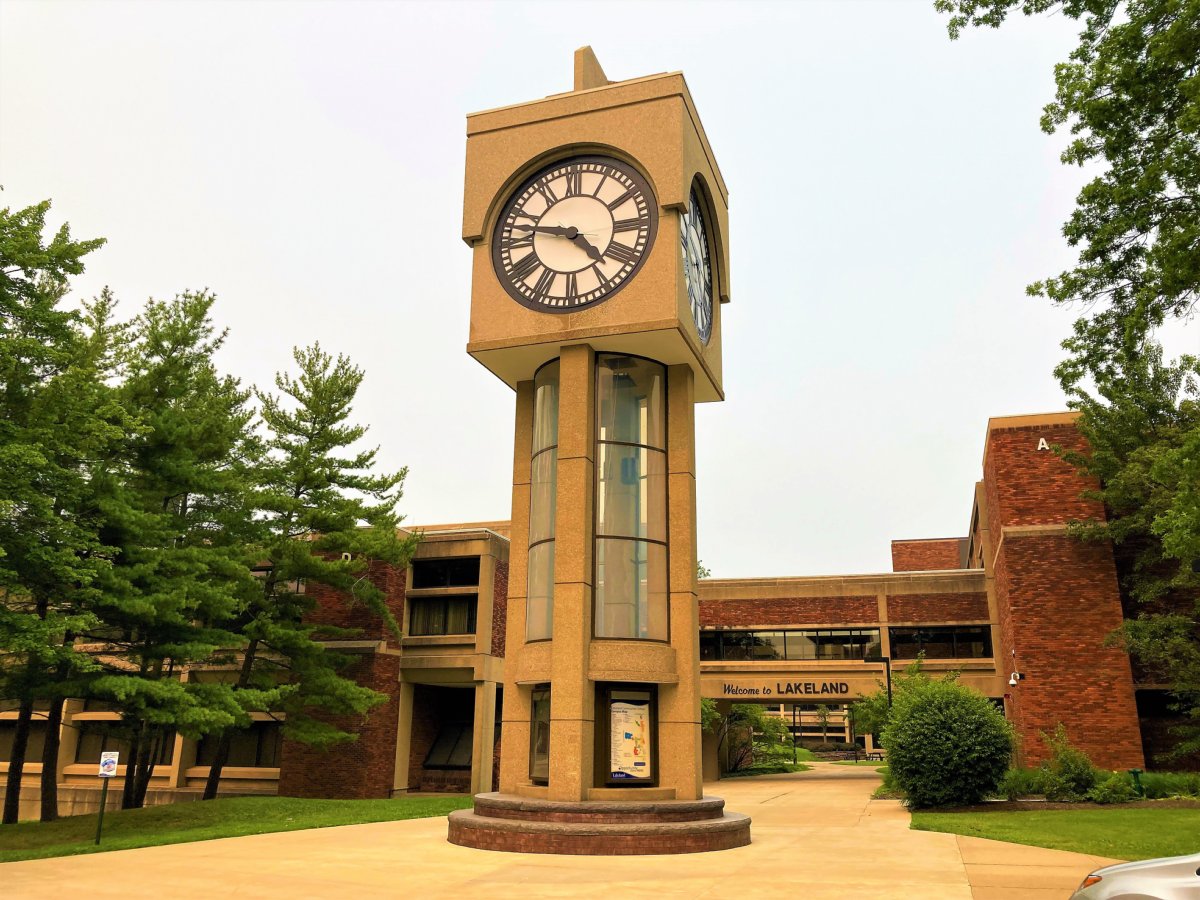
The campus buzzes with working adults and recent high school graduates. Students often grab coffee between classes or study in the library before heading to jobs or internships. With 98.67% of students from Ohio, most live at home and treat college as their weekday destination. The Lakers compete in 9 varsity sports through the NCCAA, drawing modest crowds to games.
Weekends empty the campus as students return to family obligations or part-time work. Some attend Lakers athletic events or participate in campus clubs. The suburban setting means students drive to nearby Mentor or venture into Cleveland for entertainment. Many focus on completing their associate degrees quickly, with transfer pathways to nearby four-year universities like Cleveland State.
- Setting
- Suburb-Large
- Calendar System
- Semester
- Founded
- 1967
Campus Safety (2023)
1 total reported incident. Source: Clery Act / U.S. Department of Education
| Offense | On Campus | Residential | Noncampus | Public Property |
|---|---|---|---|---|
| Arson | 1 | 0 | 0 | 0 |
Climate & Weather
- January Avg
- 19°–33°F
- July Avg
- 62°–81°F
- Annual Precipitation
- 48.2"
- Annual Snowfall
- 113.7"
Student Demographics
- Men
- 38.2%
- Women
- 61.8%
- White
- 66.9%
- Black
- 14.8%
- Hispanic
- 6.6%
- Asian
- 1.7%
- In-State Students
- 98.7%
- Pell Grant Recipients
- 22.4%
Location
- Address
- Kirtland, Ohio 44094-5198
After College
Source: College Scorecard / U.S. Department of Education
- Median Earnings (10 years)
- $39,612
- Median Earnings (5 years)
- $49,945
- Mean Earnings (6 years after entry)
- $29,800
- Loan Repayment Rate
- 28.4%
- Monthly Loan Payment
- $156/mo
- Median Debt at Graduation
- $14,751
Frequently Asked Questions
What is the acceptance rate at Lakeland Community College?
Lakeland Community College operates under an open admission policy typical of community colleges, welcoming students regardless of previous academic performance. The college serves 3,143 students across its suburban Kirtland campus, focusing on providing accessible higher education to northeastern Ohio residents. Nearly 99% of students come from Ohio, reflecting its strong local community ties.
How much does Lakeland Community College cost after financial aid?
Students at Lakeland Community College pay an average net price of $7,557 annually, making it an affordable option for higher education. In-state tuition runs $3,872 while out-of-state students pay $9,235, though the vast majority of attendees are Ohio residents. Only 22% of students receive federal financial aid, suggesting many can afford the low base tuition without assistance.
What academic programs is Lakeland Community College known for?
Lakeland Community College maintains an 11:1 student-faculty ratio, providing personalized attention in its workforce training programs and university transfer pathways. The college has built a strong reputation for preparing students for immediate employment or seamless transfer to four-year institutions. Founded in 1967, it has established itself as a reliable stepping stone for students seeking both career training and academic advancement.
What are the job prospects after graduating from Lakeland Community College?
Graduates achieve a 95.8% employment rate, demonstrating the college's effectiveness in workforce preparation. Alumni earn a median salary of $39,612 ten years after graduation, with relatively manageable debt loads averaging $14,751. However, only 23% of students complete their programs within six years, reflecting the part-time and working adult student population common at community colleges.
Where is Lakeland Community College located and what is campus life like?
The college sits in Kirtland, Ohio, a large suburban setting that provides a quiet environment for focused study. With 120 student-athletes competing in 9 varsity sports through the NCCAA, the Lakers offer modest but meaningful athletic opportunities. The student body is 62% female and predominantly white, creating a close-knit community atmosphere typical of regional community colleges.
How affordable are loan payments for Lakeland Community College graduates?
Students who borrow money face monthly loan payments of just $156 after graduation, among the most manageable debt loads in higher education. Only 15% of students take federal loans, and the loan repayment rate sits at 28%, indicating many graduates can handle their financial obligations. The low borrowing rates reflect both the affordable tuition and the practical, career-focused education that leads to steady employment.