
About Lamar University
Students pay an average net price of $11,429 after financial aid, making this one of the state's most accessible options for higher education. In-state tuition runs just $8,690, while graduates earn a median of $49,652 ten years after graduation. Students typically leave with $21,250 in debt and monthly loan payments of $225. The numbers suggest solid value for students seeking an affordable path to middle-class earnings.
Lamar accepts 83.73% of applicants, welcoming students with an average SAT score of 930. The student body draws heavily from Texas, with 97.21% of students coming from in-state. Women make up 59.66% of enrollment, while the campus reflects Texas diversity with significant Black (28.76%) and Hispanic (23.89%) populations. The Cardinals compete in NCAA Division I athletics as part of the Southland Conference, offering 13 varsity sports for 399 student-athletes.
Academics & Faculty
Source: College Scorecard / U.S. Department of Education
- Student-to-Faculty Ratio
- 18:1
- Full-Time Faculty
- 79.4%
- Graduation Rate (4-year)
- 37.4%
- Graduation Rate (6-year)
- 37.2%
- Retention Rate
- 61.0%
- Median Earnings (10 years)
- $49,652
- Carnegie Classification
- Doctoral/Professional University
Popular Programs by Earnings
| Program | Level | Median Earnings |
|---|---|---|
| Educational Administration and Supervision. | Doctoral | $75,989 |
| Mechanical Engineering. | Bachelor | $73,446 |
| Engineering, General. | Master | $71,015 |
| Chemical Engineering. | Bachelor | $71,015 |
| Registered Nursing, Nursing Administration, Nursing Research and Clinical Nursing. | Bachelor | $68,975 |
| Electrical, Electronics and Communications Engineering. | Bachelor | $64,773 |
| Civil Engineering. | Bachelor | $63,005 |
| Business Administration, Management and Operations. | Master | $60,771 |
| Accounting and Related Services. | Master | $60,061 |
| Communication Disorders Sciences and Services. | Master | $57,318 |
Campus Life
Only 2.79% of students come from out-of-state, creating a tight-knit Texas community where 97.21% share regional roots. The engineering programs draw serious students who balance rigorous coursework with Division I athletics. Weekends often revolve around Cardinal football and basketball games in the Southland Conference. With Houston's entertainment and internship opportunities just a drive away, students can access big-city resources while enjoying small-university familiarity. The 18:1 student-faculty ratio means professors know your name, not just your student ID number. Campus life moves at a relaxed pace that mirrors Beaumont's laid-back Gulf Coast culture.
- Setting
- City-Midsize
- Housing Capacity
- 2,505 beds
- Calendar System
- Semester
- Study Abroad
- Available
- Founded
- 1923
Campus Safety (2023)
88 total reported incidents. Source: Clery Act / U.S. Department of Education
| Offense | On Campus | Residential | Noncampus | Public Property |
|---|---|---|---|---|
| Dating Violence | 15 | 12 | 0 | 0 |
| Fondling | 10 | 7 | 0 | 0 |
| Stalking | 10 | 4 | 1 | 0 |
| Burglary | 7 | 5 | 0 | 0 |
| Rape | 5 | 4 | 0 | 0 |
| Aggravated Assault | 3 | 2 | 1 | 0 |
| Motor Vehicle Theft | 2 | 0 | 0 | 0 |
Climate & Weather
- January Avg
- 43°–62°F
- July Avg
- 74°–91°F
- Annual Precipitation
- 60.5"
- Annual Snowfall
- -2,333.1"
Student Demographics
- Men
- 40.3%
- Women
- 59.7%
- White
- 38.7%
- Black
- 28.8%
- Hispanic
- 23.9%
- Asian
- 5.1%
- In-State Students
- 97.2%
- Pell Grant Recipients
- 43.8%
Location
- Address
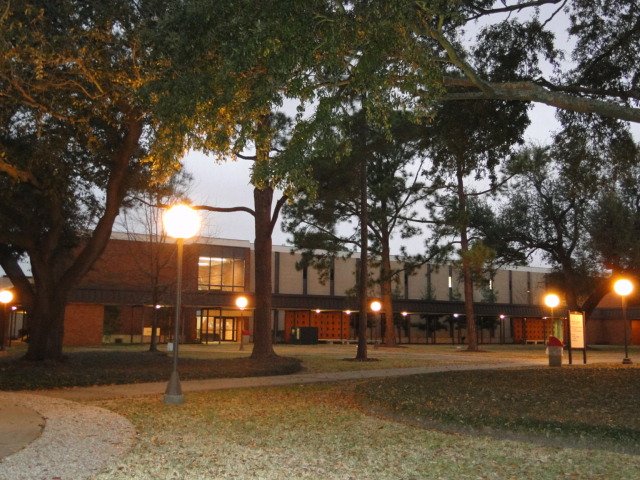
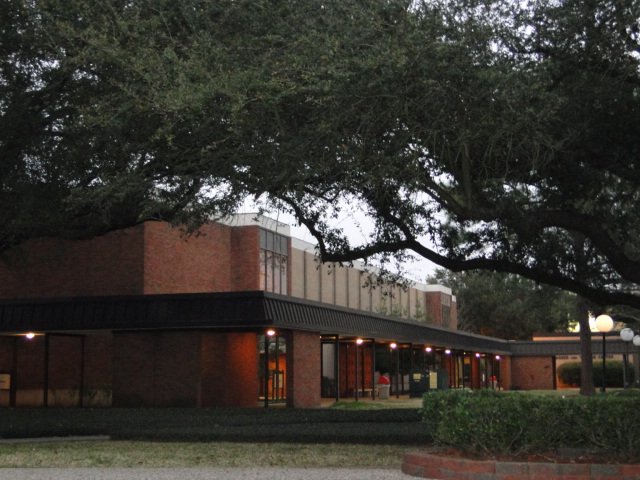
- Beaumont, Texas 77705

After College
Source: College Scorecard / U.S. Department of Education
- Median Earnings (10 years)
- $49,652
- Median Earnings (5 years)
- $59,428
- Mean Earnings (6 years after entry)
- $37,200
- Loan Repayment Rate
- 44.0%
- Monthly Loan Payment
- $225/mo
- Median Debt at Graduation
- $21,250
Frequently Asked Questions
What is the acceptance rate at Lamar University?
Lamar University accepts 83.73% of applicants, making it accessible to most students who apply. The average SAT score is 930, with middle 50% scores ranging from 830 to 1030.
How much does Lamar University cost after financial aid?
The average net price at Lamar University is $11,429, making it one of the most affordable universities in Texas. Students from families earning under $30,000 pay an average of just $9,565 per year.
What is Lamar University known for academically?
Lamar University is particularly known for its engineering programs and operates as a public research university. With a student-faculty ratio of 18:1, the university serves 7,945 students in Beaumont, Texas.
What are the graduation rates at Lamar University?
Lamar University has a 37.20% six-year graduation rate and a 60.99% retention rate for first-year students. Graduates earn a median salary of $49,652 ten years after graduation with typical student loan debt of $21,250.
Where is Lamar University located and what is campus life like?
Lamar University sits in Beaumont, Texas, a midsize city setting with housing capacity for 2,505 students. The Cardinals compete in NCAA Division I athletics with 13 varsity sports and 399 total athletes in the Southland Conference.
Is Lamar University diverse in its student body?
Lamar University enrolls a diverse student body with 38.72% White, 28.76% Black, and 23.89% Hispanic students. The university draws 97.21% of its students from Texas, with women comprising 59.66% of enrollment.