About Loyola University New Orleans
The financial picture tells a compelling story about affordability. While tuition reaches $47,240, the average student pays just $22,762 after aid thanks to generous institutional grants averaging $35,604. Graduates typically earn $52,927 ten years after graduation while carrying median debt of only $26,000. Monthly loan payments average $276, making this education a solid investment for most students.
Women make up nearly 66% of the student body, creating a different campus active than many universities. The Wolf Pack competes in NAIA athletics with 288 student-athletes across 15 sports. About 45% of students come from Louisiana, while the rest bring diverse perspectives from across the country to this close-knit community.
Academics & Faculty
Source: College Scorecard / U.S. Department of Education
- Student-to-Faculty Ratio
- 13:1
- Full-Time Faculty
- 59.6%
- Graduation Rate (4-year)
- 67.3%
- Graduation Rate (6-year)
- 67.4%
- Retention Rate
- 77.4%
- Median Earnings (10 years)
- $52,927
- Carnegie Classification
- Doctoral/Professional University
Popular Programs by Earnings
| Program | Level | Median Earnings |
|---|---|---|
| Registered Nursing, Nursing Administration, Nursing Research and Clinical Nursing. | Master | $91,078 |
| Criminal Justice and Corrections. | Master | $58,221 |
| Law. | Doctoral | $43,000 |
| Finance and Financial Management Services. | Bachelor | $40,485 |
| Business Administration, Management and Operations. | Bachelor | $35,060 |
| Public Relations, Advertising, and Applied Communication. | Bachelor | $25,774 |
| Political Science and Government. | Bachelor | $25,194 |
| Research and Experimental Psychology. | Bachelor | $24,035 |
| Psychology, General. | Bachelor | $21,052 |
| Arts, Entertainment,and Media Management. | Bachelor | $14,442 |
Campus Life
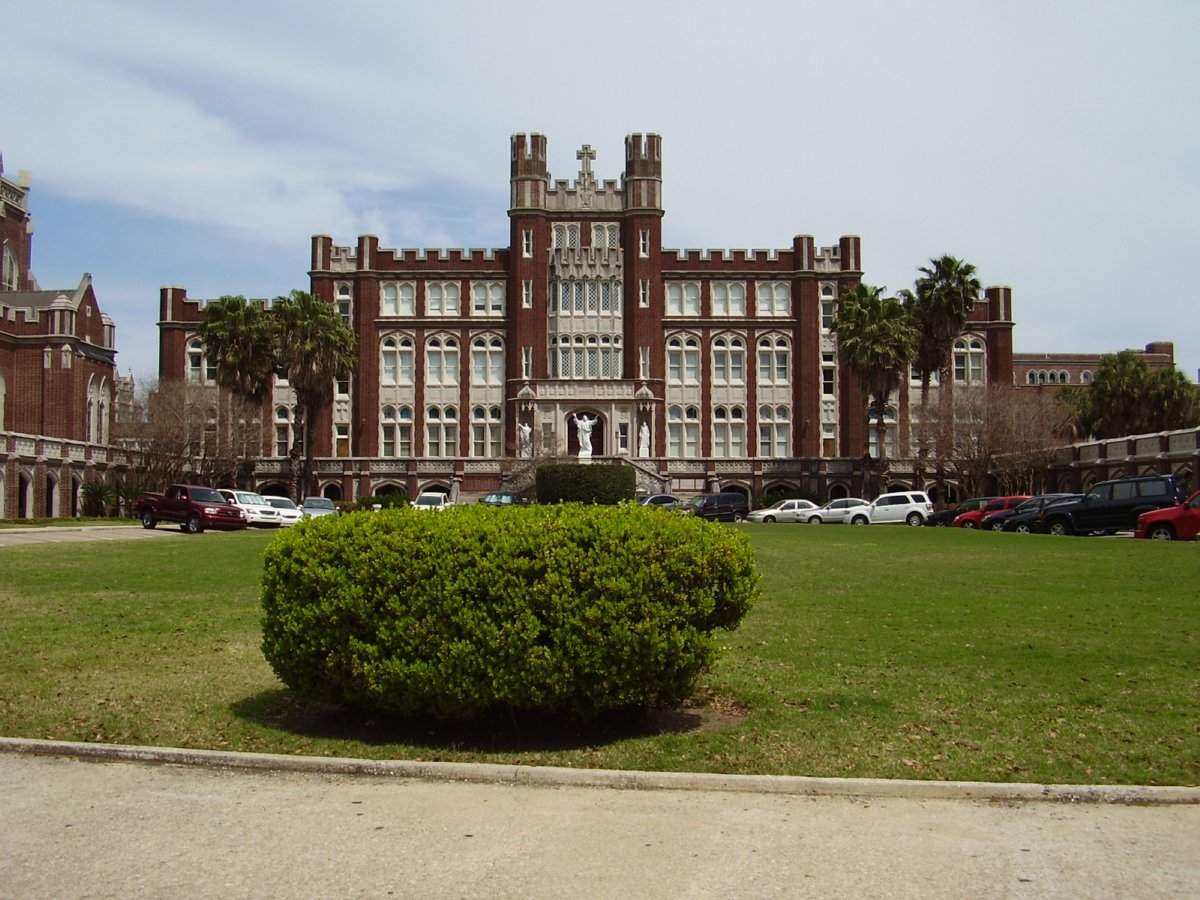
Students gather in Audubon Park for weekend picnics or catch streetcar rides to Magazine Street for shopping and dining. The 34% male to 66% female ratio creates a collaborative rather than competitive atmosphere. Loyola's Jesuit tradition emphasizes service, so many students volunteer in post-Katrina rebuilding efforts throughout the city. The music school attracts talented performers who fill campus with impromptu concerts, while the small 13:1 student-faculty ratio means professors know your name. Weekend highlights include exploring the Garden District's historic mansions or joining the famous New Orleans second-line parades that wind through the neighborhoods surrounding campus.
- Setting
- City-Large
- Housing Capacity
- 1,375 beds
- Calendar System
- Semester
- Study Abroad
- Available
- Founded
- 1904
Campus Safety (2023)
28 total reported incidents. Source: Clery Act / U.S. Department of Education
| Offense | On Campus | Residential | Noncampus | Public Property |
|---|---|---|---|---|
| Dating Violence | 4 | 3 | 0 | 1 |
| Burglary | 4 | 3 | 0 | 0 |
| Stalking | 3 | 3 | 0 | 0 |
| Rape | 2 | 2 | 0 | 0 |
| Motor Vehicle Theft | 2 | 0 | 0 | 1 |
Climate & Weather
- January Avg
- 45°–63°F
- July Avg
- 75°–92°F
- Annual Precipitation
- 62.3"
- Annual Snowfall
- 0.0"
Student Demographics
- Men
- 34.3%
- Women
- 65.7%
- White
- 45.0%
- Black
- 20.4%
- Hispanic
- 21.5%
- Asian
- 2.9%
- In-State Students
- 44.6%
- Pell Grant Recipients
- 37.2%
Location
- Address
- New Orleans, Louisiana 70118-6143
After College
Source: College Scorecard / U.S. Department of Education
- Median Earnings (10 years)
- $52,927
- Median Earnings (5 years)
- $53,140
- Mean Earnings (6 years after entry)
- $36,000
- Loan Repayment Rate
- 65.1%
- Monthly Loan Payment
- $276/mo
- Median Debt at Graduation
- $26,000
Frequently Asked Questions
What is the acceptance rate at Loyola University New Orleans?
Loyola University New Orleans accepts 78% of applicants, making it moderately selective. The Jesuit university draws students seeking a close-knit Catholic educational experience in the heart of New Orleans' cultural scene.
How much does Loyola University New Orleans cost after financial aid?
Students pay an average net price of $22,762 after aid, despite a sticker price of $47,240 for tuition. About 31% of students receive institutional grants averaging $35,604, helping make this private Jesuit education more accessible.
What is the student-faculty ratio at Loyola University New Orleans?
The university maintains a 13:1 student-faculty ratio with an enrollment of 2,999 students. This small size creates the intimate learning environment that Jesuit education emphasizes, fostering close mentorship relationships.
What are the career outcomes for Loyola University New Orleans graduates?
Graduates earn a median salary of $52,927 ten years after graduation with a 92.3% employment rate. The university's strong alumni network includes notable figures like Harry Connick Jr. and Ellen DeGeneres, both New Orleans natives who leveraged the city's creative culture.
Where do students live at Loyola University New Orleans?
The campus houses 1,375 students in residence halls, with room and board costing $15,000 annually. The university sits in New Orleans' Uptown district, giving students easy access to the city's famous music scene, festivals, and internship opportunities.
How diverse is the student body at Loyola University New Orleans?
The student population is 45% White, 20% Black, and 21% Hispanic, reflecting New Orleans' multicultural character. Women make up 66% of students, and 45% come from Louisiana, creating a blend of local culture and national perspectives.