
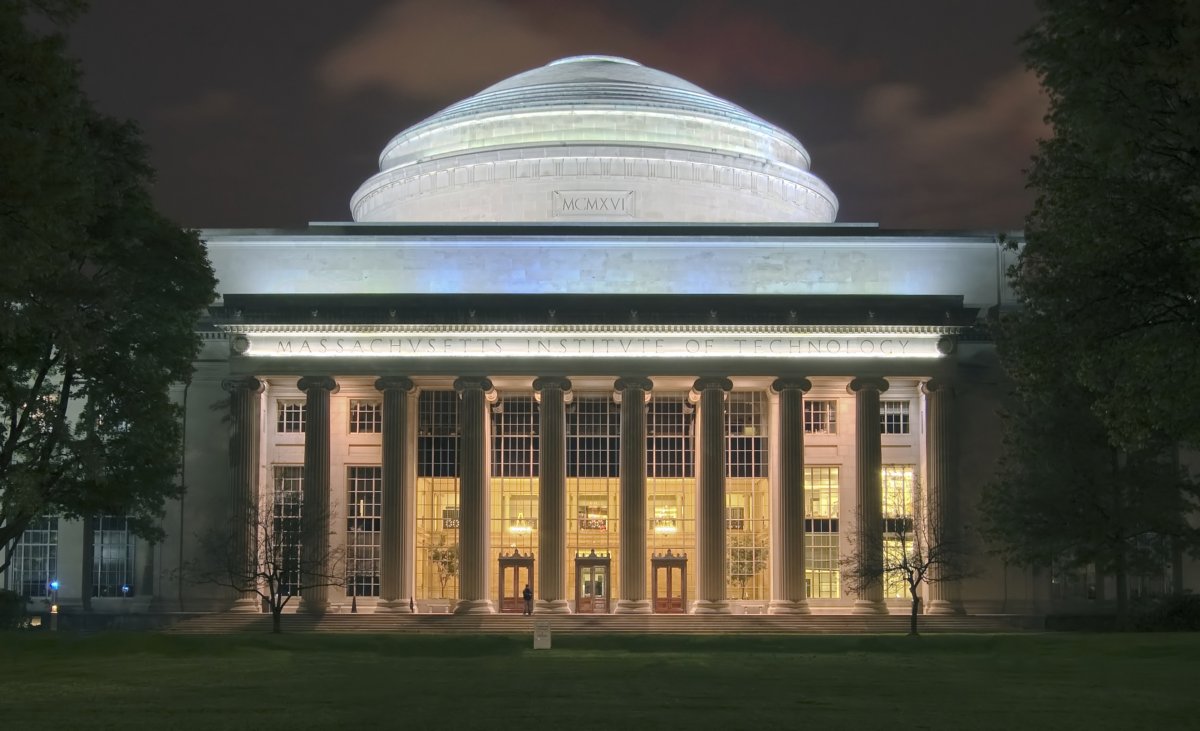
About Massachusetts Institute of Technology
The financial picture tells a compelling story about value. While the sticker price reaches $80,426, most students pay far less thanks to generous aid. The average net price drops to just $19,813, and families earning $48-75K pay only $4,621. Graduates command median salaries of $143,372 within ten years, making the typical debt load of $14,768 highly manageable with monthly payments of just $157.
The student body reflects MIT's global reach and academic intensity. Asian students comprise 34.61% of enrollment while only 4.95% come from Massachusetts itself. The 3:1 student-faculty ratio enables deep research collaboration. Nearly all students (99.03%) return for sophomore year, and 96.10% graduate within six years. The Engineers compete in 32 varsity sports, though most students channel their competitive energy into labs and startups.
Academics & Faculty
Source: College Scorecard / U.S. Department of Education
- Student-to-Faculty Ratio
- 3:1
- Full-Time Faculty
- 99.1%
- Graduation Rate (4-year)
- 95.5%
- Graduation Rate (6-year)
- 96.1%
- Retention Rate
- 99.0%
- Median Earnings (10 years)
- $143,372
- Carnegie Classification
- Doctoral University (R1)
Popular Programs by Earnings
| Program | Level | Median Earnings |
|---|---|---|
| Business/Commerce, General. | Master | $165,236 |
| Electrical, Electronics and Communications Engineering. | Master | $150,045 |
| Systems Engineering. | Master | $137,214 |
| Computer Science. | Bachelor | $127,993 |
| Electrical, Electronics and Communications Engineering. | Doctoral | $126,504 |
| Aerospace, Aeronautical and Astronautical Engineering. | Doctoral | $126,504 |
| Electrical, Electronics and Communications Engineering. | Bachelor | $121,226 |
| Mathematics. | Bachelor | $117,572 |
| Nuclear Engineering. | Doctoral | $112,923 |
| Mechanical Engineering. | Doctoral | $112,885 |
Campus Life
The 3:1 student-faculty ratio creates an intensely collaborative environment where undergraduates work directly with professors on modern research. Students spend weekends tackling problem sets in groups, participating in hackathons, or exploring Boston's museums and restaurants via the Red Line subway. MIT's "Mens et Manus" (mind and hand) philosophy means learning happens through building. Campus traditions include the annual Mystery Hunt, where teams solve complex puzzles for days, and elaborate pranks called "hacks" that showcase student creativity. With 755 student-athletes competing across 32 varsity sports, many find balance through athletics despite the rigorous academic demands.
- Setting
- City-Midsize
- Housing Capacity
- 7,610 beds
- Calendar System
- Four-One-Four
- Study Abroad
- Available
- Founded
- 1861
Campus Safety (2023)
57 total reported incidents. Source: Clery Act / U.S. Department of Education
| Offense | On Campus | Residential | Noncampus | Public Property |
|---|---|---|---|---|
| Stalking | 12 | 7 | 0 | 0 |
| Rape | 4 | 3 | 2 | 0 |
| Aggravated Assault | 3 | 2 | 2 | 1 |
| Domestic Violence | 5 | 3 | 0 | 0 |
| Burglary | 1 | 1 | 4 | 0 |
| Fondling | 1 | 1 | 4 | 0 |
| Motor Vehicle Theft | 1 | 0 | 0 | 0 |
Climate & Weather
- January Avg
- 19°–37°F
- July Avg
- 64°–84°F
- Annual Precipitation
- 49.4"
- Annual Snowfall
- 49.2"
Student Demographics
- Men
- 51.2%
- Women
- 48.8%
- White
- 21.0%
- Black
- 8.7%
- Hispanic
- 14.5%
- Asian
- 34.6%
- In-State Students
- 5.0%
- Pell Grant Recipients
- 19.0%
Location
- Address
- Cambridge, Massachusetts 02139-4307
After College
Source: College Scorecard / U.S. Department of Education
- Median Earnings (10 years)
- $143,372
- Median Earnings (5 years)
- $148,383
- Mean Earnings (6 years after entry)
- $99,600
- Loan Repayment Rate
- 91.8%
- Monthly Loan Payment
- $157/mo
- Median Debt at Graduation
- $14,768
Frequently Asked Questions
What is the acceptance rate at Massachusetts Institute of Technology?
MIT accepts just 3.96% of applicants, making it one of the most selective universities in the world. Students who get in typically score between 1530-1580 on the SAT with an average of 1555. The competition reflects MIT's status as the top destination for future engineers and scientists.
How much does Massachusetts Institute of Technology cost after financial aid?
While MIT's sticker price reaches $80,426 annually, the average net price drops to $19,813 after aid. Students from families earning $48,000-$75,000 pay just $4,621 on average. Graduates leave with a median debt of only $14,768, remarkably low for such an top institution.
What is the student-faculty ratio at Massachusetts Institute of Technology?
MIT maintains an exceptional 3:1 student-faculty ratio, ensuring intensive mentorship and research opportunities. The 99.03% retention rate reflects students' satisfaction with this personalized academic environment. This close faculty interaction helps explain why 95.51% of students graduate in four years.
How much do Massachusetts Institute of Technology graduates earn after graduation?
MIT graduates earn a median of $143,372 ten years after graduation, among the highest of any university. Even one year out, the median reaches $109,923, reflecting strong demand for MIT-trained engineers and scientists. The 93.3% employment rate shows employers eagerly recruit from this talent pipeline.
Where is Massachusetts Institute of Technology located and what is campus life like?
MIT sits in Cambridge, Massachusetts, across the Charles River from Boston's financial district. The campus houses 7,610 students in its residential system, fostering the collaborative culture that drives breakthrough research. With 755 student-athletes competing in 32 varsity sports, the Engineers balance intense academics with diverse extracurricular pursuits.
What makes Massachusetts Institute of Technology's student body unique?
MIT draws students from across the globe, with only 4.95% coming from Massachusetts itself. The student body is 34.61% Asian and diverse, with 48.76% women in a field traditionally dominated by men. This international mix creates the modern environment that has produced Nobel laureates, astronauts, and tech giants like Dropbox's Drew Houston.