About Mercy University
Students pay an average net price of $15,770 after financial aid, making Mercy accessible to working families. Nearly half of students receive Pell Grants, reflecting the school's commitment to first-generation college students. Graduates earn a median salary of $52,055 ten years after graduation, while carrying manageable debt loads of $19,637. Monthly loan payments average just $208, making the investment reasonable for health science careers.
The student body reflects the diverse Hudson Valley community, with 49.14% Hispanic and 23.92% Black students. Women comprise 68.37% of enrollment, typical for health-focused institutions. While the 48.10% six-year graduation rate shows room for improvement, the 92.6% employment rate demonstrates strong job placement. The 15:1 student-faculty ratio ensures personal attention in clinical training programs.
Academics & Faculty
Source: College Scorecard / U.S. Department of Education
- Student-to-Faculty Ratio
- 15:1
- Full-Time Faculty
- 25.4%
- Graduation Rate (4-year)
- 47.6%
- Graduation Rate (6-year)
- 48.1%
- Retention Rate
- 75.0%
- Median Earnings (10 years)
- $52,055
- Carnegie Classification
- Master's University (Large)
Popular Programs by Earnings
| Program | Level | Median Earnings |
|---|---|---|
| Registered Nursing, Nursing Administration, Nursing Research and Clinical Nursing. | Master | $124,271 |
| Allied Health Diagnostic, Intervention, and Treatment Professions. | Master | $113,850 |
| Bioethics/Medical Ethics. | Master | $108,649 |
| Educational Administration and Supervision. | Master | $101,964 |
| Registered Nursing, Nursing Administration, Nursing Research and Clinical Nursing. | Bachelor | $97,959 |
| Rehabilitation and Therapeutic Professions. | Doctoral | $78,971 |
| Accounting and Related Services. | Master | $75,706 |
| Rehabilitation and Therapeutic Professions. | Master | $73,446 |
| Clinical, Counseling and Applied Psychology. | Master | $67,420 |
| Teaching English or French as a Second or Foreign Language. | Master | $66,461 |
Campus Life
The student body reflects the diverse Hudson Valley community, with 49% Hispanic and 24% Black students creating a multicultural environment. Women make up 68% of enrollment, largely driven by popular nursing and health science programs. Most students commute from nearby areas, with 91% coming from New York State. Weekends often see students heading into the city for internships or entertainment, while campus activities center around the athletic programs and student organizations. The Mavericks compete in NCAA Division II with 254 student-athletes across 10 sports, providing school spirit despite the commuter-heavy population.
- Setting
- Suburb-Large
- Housing Capacity
- 771 beds
- Calendar System
- Semester
- Study Abroad
- Available
- Founded
- 1950
Campus Safety (2023)
11 total reported incidents. Source: Clery Act / U.S. Department of Education
| Offense | On Campus | Residential | Noncampus | Public Property |
|---|---|---|---|---|
| Aggravated Assault | 1 | 1 | 0 | 0 |
| Burglary | 2 | 0 | 0 | 0 |
| Dating Violence | 2 | 0 | 0 | 0 |
| Fondling | 1 | 1 | 0 | 0 |
| Rape | 1 | 1 | 0 | 0 |
| Stalking | 1 | 0 | 0 | 0 |
Climate & Weather
- January Avg
- 22°–38°F
- July Avg
- 63°–84°F
- Annual Precipitation
- 52.0"
- Annual Snowfall
- 30.4"
Student Demographics
- Men
- 31.6%
- Women
- 68.4%
- White
- 15.2%
- Black
- 23.9%
- Hispanic
- 49.1%
- Asian
- 4.8%
- In-State Students
- 91.4%
- Pell Grant Recipients
- 47.3%
Location
- Address
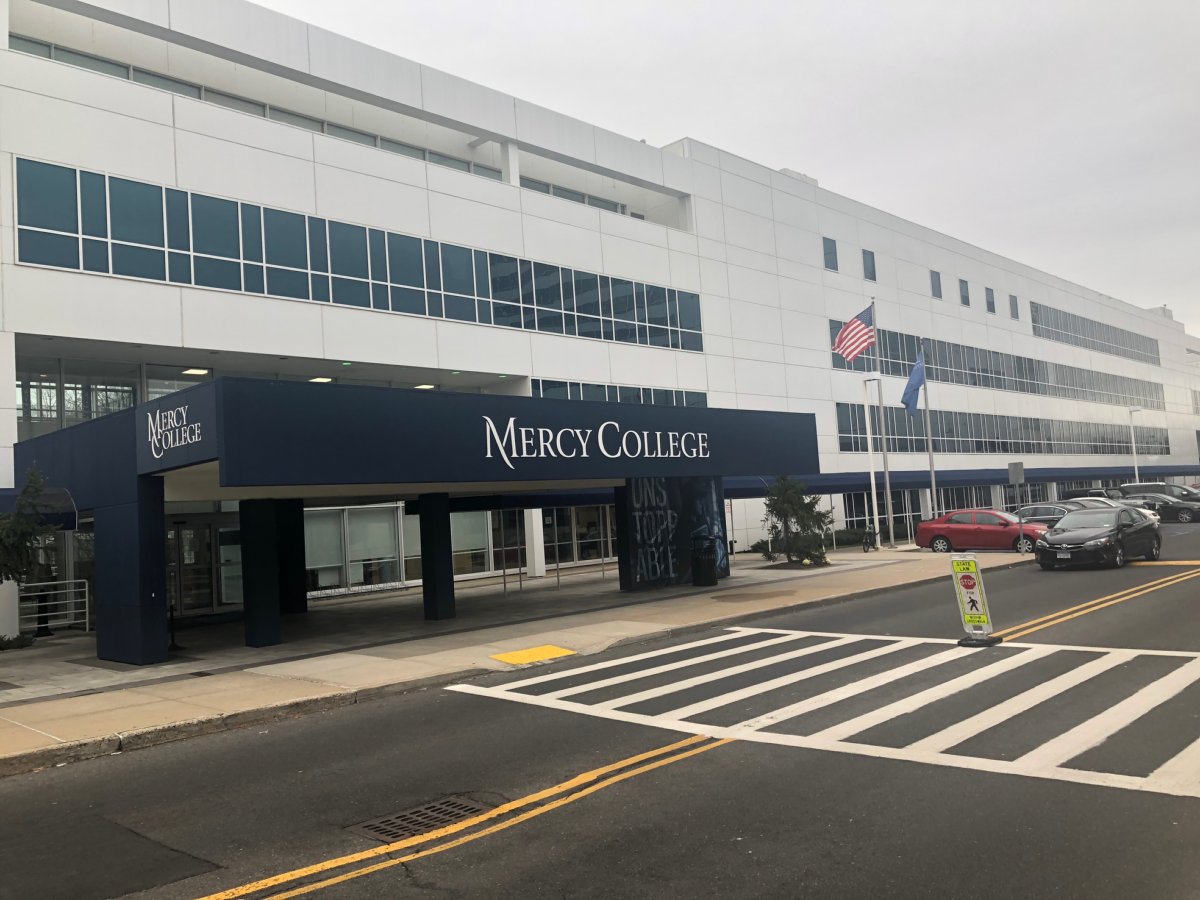
- Dobbs Ferry, New York 10522
After College
Source: College Scorecard / U.S. Department of Education
- Median Earnings (10 years)
- $52,055
- Median Earnings (5 years)
- $56,683
- Mean Earnings (6 years after entry)
- $37,800
- Loan Repayment Rate
- 39.7%
- Monthly Loan Payment
- $208/mo
- Median Debt at Graduation
- $19,637
Frequently Asked Questions
What is the acceptance rate at Mercy University?
Mercy University accepts 85.86% of applicants, making admission relatively accessible for most students. The middle 50% of admitted students scored between 1020 and 1230 on the SAT. This Catholic university in Dobbs Ferry focuses heavily on health sciences and professional preparation programs.
How much does Mercy University cost after financial aid?
Students pay an average net price of $15,770 annually after financial aid, less than the sticker price of $22,106 for tuition. Nearly half of all students (47.33%) receive Pell Grants, indicating strong support for low-income families. Graduates typically leave with $19,637 in debt, which translates to monthly payments of $208.
What is the student-faculty ratio at Mercy University?
Mercy University maintains a 15:1 student-faculty ratio across its 5,539 enrolled students. The university has built a strong reputation in nursing and occupational therapy programs. However, the retention rate of 74.97% suggests some students struggle with the academic transition to college.
What are the graduation rates at Mercy University?
Only 48.10% of students graduate within six years, and 47.59% finish in four years. Despite these lower completion rates, graduates find success in the job market with a 92.6% employment rate. Ten years after graduation, alumni earn a median salary of $52,055, reflecting the university's focus on career-oriented programs.
Where is Mercy University located and what is campus life like?
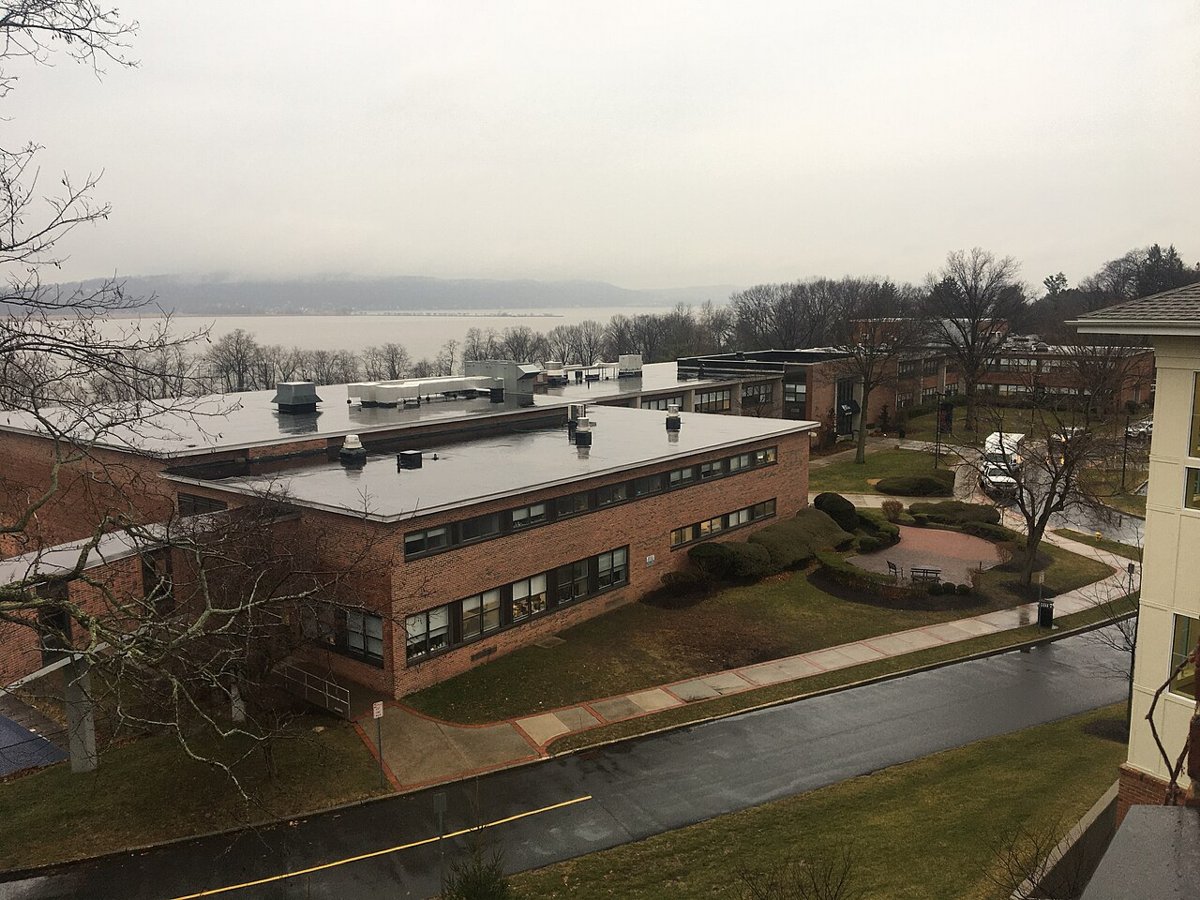
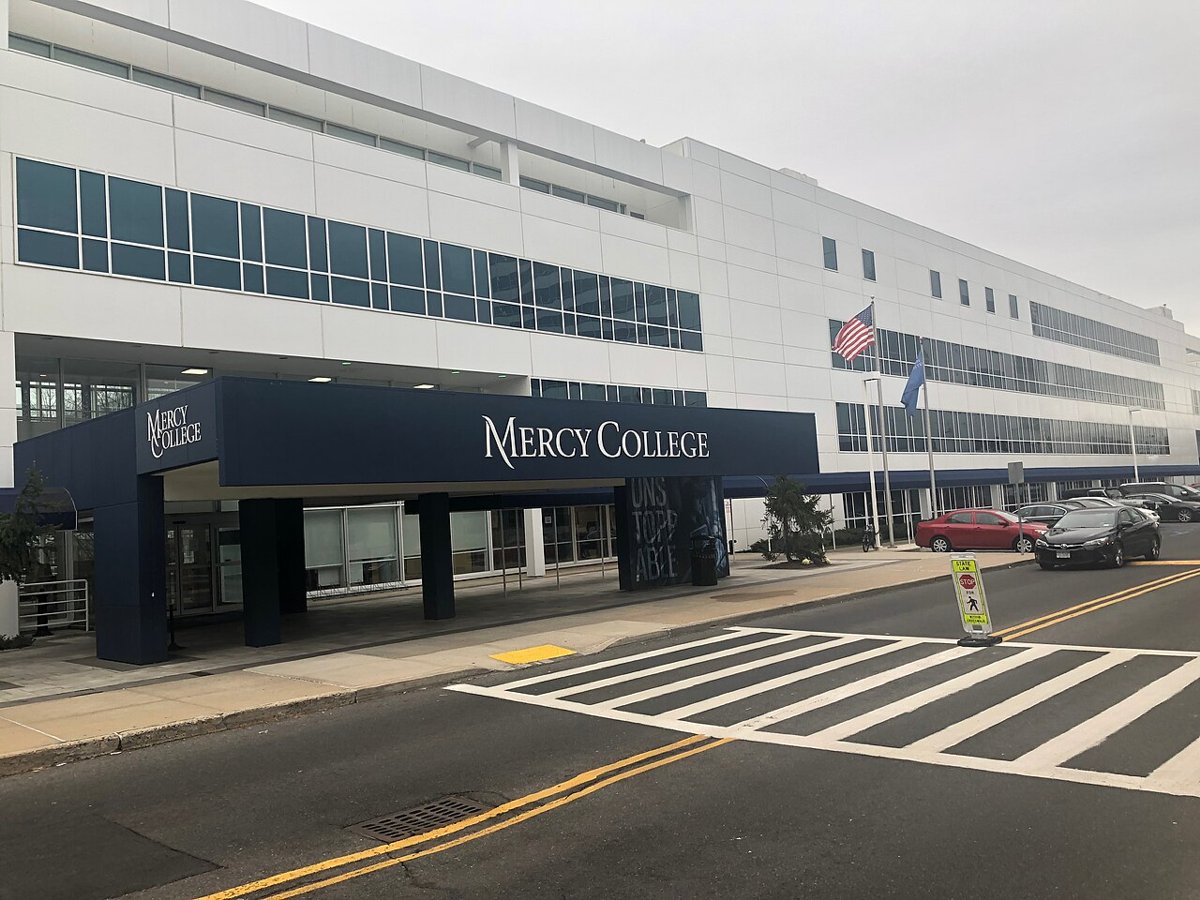
The campus sits in Dobbs Ferry, New York, a large suburban setting north of New York City. With housing capacity for only 771 students out of 5,539 total enrollment, most students commute from home since 91.44% come from within New York state. The Mavericks compete in NCAA Division II athletics with 254 student-athletes across 10 varsity sports.
Is Mercy University diverse in its student population?
Mercy University serves a predominantly minority student body, with Hispanic students making up 49.14% and Black students representing 23.92% of enrollment. Women outnumber men at 68.37% to 31.63%. This demographic profile reflects the university's mission as a Catholic institution serving the diverse Hudson Valley region.