About Metropolitan Community College Area
Students from families earning under $30,000 pay just $2,961 after aid, making this one of the most affordable college options in Nebraska. Even middle-class families with incomes up to $48,000 pay only $3,532 net price. Graduates typically leave with $8,217 in debt and monthly loan payments of just $87. The investment pays off with median earnings of $38,773 ten years after graduation and an impressive 94.7% employment rate.
The 25% six-year graduation rate reflects the reality of community college students who often attend part-time while working. With a 19:1 student-faculty ratio, professors can provide individual attention to help students succeed. The diverse student body is 47% white, 19% Hispanic, and 12% Black, reflecting Omaha's changing demographics and the college's commitment to serving all community members.
Academics & Faculty
Source: College Scorecard / U.S. Department of Education
- Student-to-Faculty Ratio
- 19:1
- Full-Time Faculty
- 28.2%
- Graduation Rate (6-year)
- 25.1%
- Median Earnings (10 years)
- $38,773
Popular Programs by Earnings
| Program | Level | Median Earnings |
|---|---|---|
| Registered Nursing, Nursing Administration, Nursing Research and Clinical Nursing. | Associate | $56,087 |
| Heavy/Industrial Equipment Maintenance Technologies. | Associate | $53,810 |
| Electrical and Power Transmission Installers. | Associate | $50,439 |
| Computer and Information Sciences, General. | Associate | $50,270 |
| Vehicle Maintenance and Repair Technologies. | Associate | $48,041 |
| Allied Health Diagnostic, Intervention, and Treatment Professions. | Associate | $45,584 |
| Criminal Justice and Corrections. | Associate | $35,864 |
| Health and Medical Administrative Services. | Associate | $31,853 |
| Business Administration, Management and Operations. | Associate | $29,250 |
| Mental and Social Health Services and Allied Professions. | Associate | $28,381 |
Campus Life
With 95% of students coming from Nebraska, most juggle work schedules alongside their 19:1 student-faculty ratio classes. The quarter system keeps academic pace brisk throughout the year. Students often grab coffee between classes at campus centers or study in computer labs. Weekends typically mean work shifts or family time rather than campus activities, reflecting the practical, career-focused culture. The 94.7% employment rate shows most students balance jobs with coursework. Social connections often form in program-specific cohorts, especially in popular fields like nursing, automotive technology, and business transfer programs that feed into University of Nebraska Omaha.
- Setting
- City-Large
- Calendar System
- Quarter
- Study Abroad
- Available
Campus Safety (2023)
5 total reported incidents. Source: Clery Act / U.S. Department of Education
| Offense | On Campus | Residential | Noncampus | Public Property |
|---|---|---|---|---|
| Burglary | 2 | 0 | 0 | 0 |
| Fondling | 2 | 0 | 0 | 0 |
| Robbery | 1 | 0 | 0 | 0 |
Climate & Weather
- January Avg
- 15°–33°F
- July Avg
- 68°–88°F
- Annual Precipitation
- 31.9"
- Annual Snowfall
- 27.1"
Student Demographics
- Men
- 48.8%
- Women
- 51.2%
- White
- 47.2%
- Black
- 11.6%
- Hispanic
- 19.1%
- Asian
- 3.1%
- In-State Students
- 95.0%
- Pell Grant Recipients
- 19.9%
Location
- Address
- Omaha, Nebraska 68111-1610

After College
Source: College Scorecard / U.S. Department of Education
- Median Earnings (10 years)
- $38,773
- Median Earnings (5 years)
- $48,748
- Mean Earnings (6 years after entry)
- $29,600
- Loan Repayment Rate
- 41.5%
- Monthly Loan Payment
- $87/mo
- Median Debt at Graduation
- $8,217
Frequently Asked Questions
What are the admission requirements at Metropolitan Community College Area?
Metropolitan Community College Area maintains an open admission policy typical of community colleges, serving 7,629 students across the Omaha metro area. The college focuses on accessibility with 94.99% of students coming from in-state. As a community college, it provides pathways for both career preparation and transfer to four-year universities.
How much does Metropolitan Community College Area cost after financial aid?
The average net price is $4,005 annually, making it an affordable option for most students. Students from families earning under $30,000 pay just $2,961 after aid, while those from higher-income families ($110K+) pay $8,771. Only 19.93% of students receive financial aid, reflecting the college's already low base tuition of $3,285 for in-state students.
What is the student-faculty ratio at Metropolitan Community College Area?
The student-faculty ratio is 19:1, providing reasonable access to instructors for a large community college. The college operates on a quarter system, allowing for flexible scheduling options. Students can choose from career-focused programs and transfer pathways designed to serve the diverse needs of the Omaha metropolitan area.
What are the job prospects after graduating from Metropolitan Community College Area?
Graduates achieve a 94.7% employment rate, demonstrating strong workforce preparation. The median earnings one year after graduation are $41,455, rising to $48,748 after five years. However, the six-year graduation rate is 25.10%, reflecting the part-time and working adult population typical of community colleges.
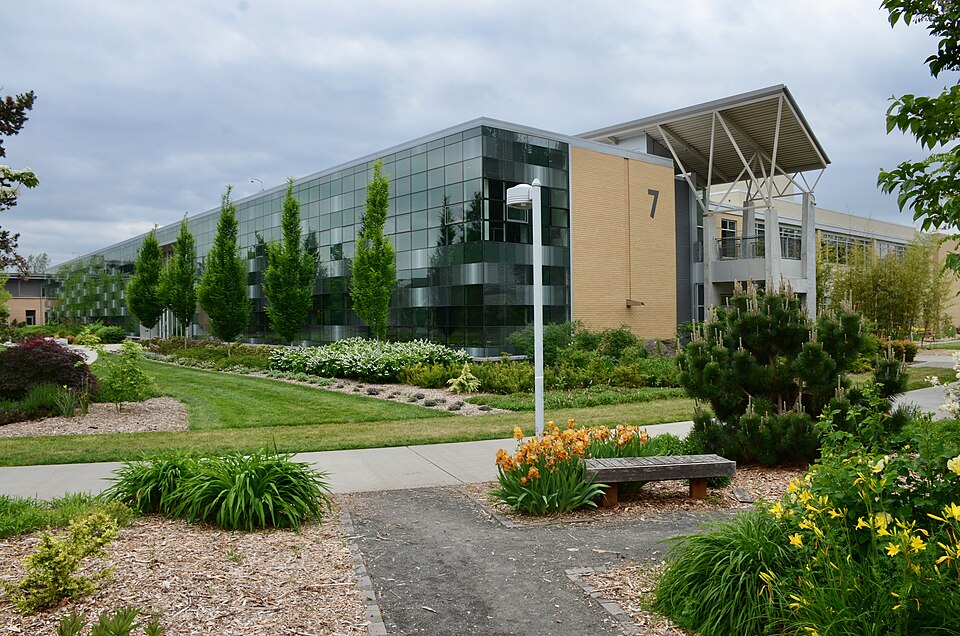
Where is Metropolitan Community College Area located and what is the campus like?
The college serves the large city setting of Omaha, Nebraska, with multiple campus locations throughout the metro area. The student body is 51.21% women and 48.79% men, with a diverse population that includes 47.19% white students, 19.09% Hispanic students, and 11.57% Black students. The college functions as a true community institution with strong local ties.
Does Metropolitan Community College Area offer good value for students with debt concerns?
Students graduate with a median debt of just $8,217, resulting in manageable monthly loan payments of $87. The loan repayment rate stands at 41.50%, while only 7.52% of students take federal loans. This low-debt model makes the college particularly attractive for students seeking affordable workforce training or a cost-effective start to their college education.