

About Michigan Technological University
Students pay an average net price of $15,729 after aid, making this expensive education surprisingly affordable. Graduates earn a median of $78,198 ten years out, easily justifying the typical debt load of $24,990. The return on investment shines brightest for low-income families who pay just $5,021 net price. With a 97.3% employment rate, students rarely struggle to find work after graduation.
The student body skews heavily male at 70.51%, reflecting the engineering focus that defines campus culture. Most students come from Michigan at 77.10%, creating a tight-knit community where everyone knows the struggle of surviving brutal winters together. The 87.69% retention rate shows students stick around despite the challenging academics and isolation.
Academics & Faculty
Source: College Scorecard / U.S. Department of Education
- Student-to-Faculty Ratio
- 13:1
- Full-Time Faculty
- 87.6%
- Graduation Rate (4-year)
- 68.2%
- Graduation Rate (6-year)
- 68.7%
- Retention Rate
- 87.7%
- Median Earnings (10 years)
- $78,198
- Carnegie Classification
- Doctoral University (R2)
Popular Programs by Earnings
| Program | Level | Median Earnings |
|---|---|---|
| Mechanical Engineering. | Master | $86,550 |
| Computer Engineering. | Bachelor | $78,172 |
| Electrical, Electronics and Communications Engineering. | Bachelor | $75,989 |
| Computer Science. | Bachelor | $75,047 |
| Materials Engineering | Bachelor | $73,635 |
| Mechanical Engineering. | Bachelor | $71,637 |
| Chemical Engineering. | Bachelor | $70,536 |
| Management Information Systems and Services. | Bachelor | $68,499 |
| Biomedical/Medical Engineering. | Bachelor | $66,461 |
| Civil Engineering. | Master | $66,244 |
Campus Life
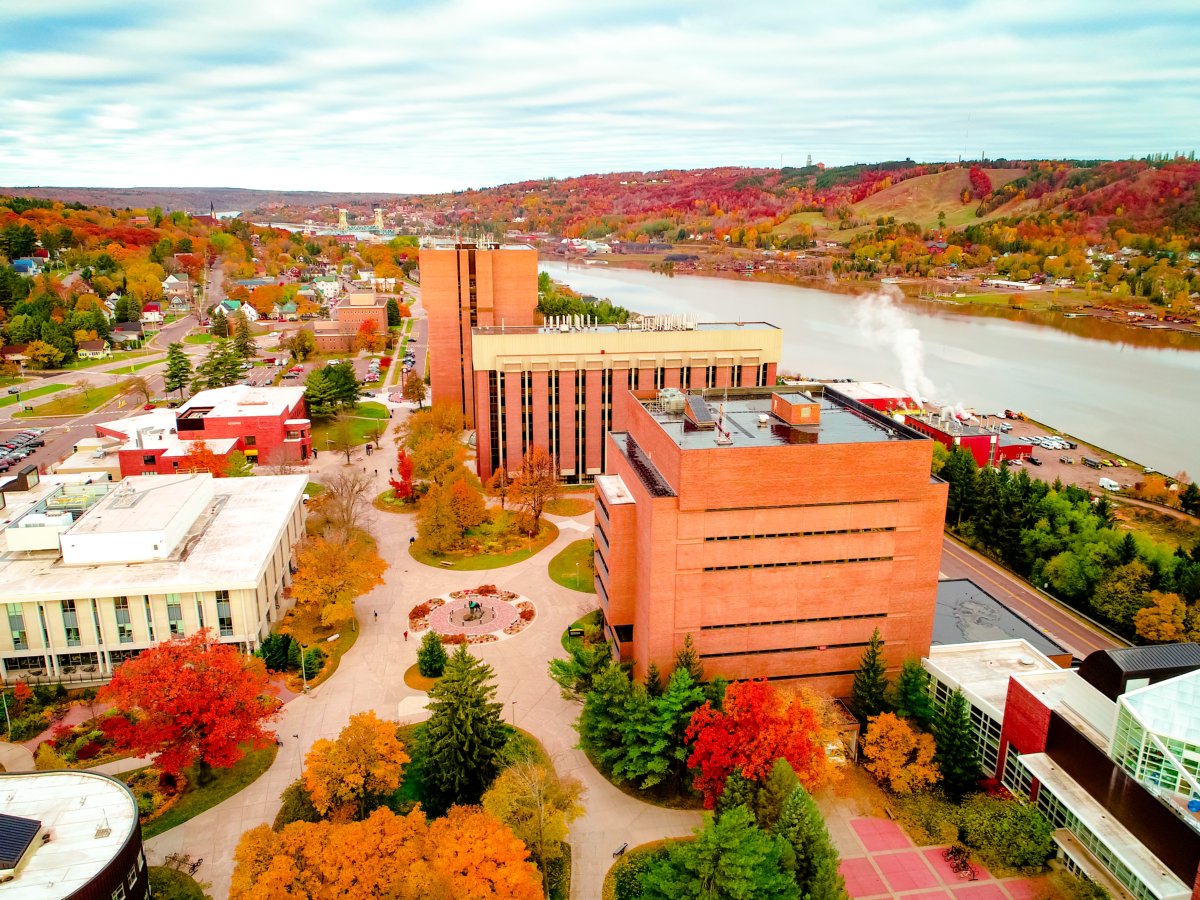
Students embrace the harsh winters through traditions like Broomball on the ice rink and the annual Winter Carnival featuring massive snow sculptures. The 13:1 student-faculty ratio means professors often join students for outdoor activities like skiing, snowshoeing, and hiking in the surrounding Keweenaw Peninsula wilderness. Weekends revolve around hockey games, outdoor adventures, and campus parties in residence halls. The nearest major city is Minneapolis, about 300 miles away, so students create their own entertainment. Greek life and club sports fill social calendars, while the town's few restaurants and bars become weekend gathering spots for the close-knit student body.
- Setting
- Town-Remote
- Housing Capacity
- 3,215 beds
- Calendar System
- Semester
- Study Abroad
- Available
- Founded
- 1885
Campus Safety (2023)
22 total reported incidents. Source: Clery Act / U.S. Department of Education
| Offense | On Campus | Residential | Noncampus | Public Property |
|---|---|---|---|---|
| Stalking | 8 | 6 | 0 | 0 |
| Arson | 1 | 1 | 0 | 0 |
| Domestic Violence | 1 | 1 | 0 | 0 |
| Rape | 1 | 1 | 0 | 0 |
| Aggravated Assault | 1 | 0 | 0 | 0 |
| Burglary | 1 | 0 | 0 | 0 |
Climate & Weather
- January Avg
- 10°–22°F
- July Avg
- 54°–75°F
- Annual Precipitation
- 31.6"
- Annual Snowfall
- 207.8"
Student Demographics
- Men
- 70.5%
- Women
- 29.5%
- White
- 83.7%
- Black
- 0.9%
- Hispanic
- 3.1%
- Asian
- 2.0%
- In-State Students
- 77.1%
- Pell Grant Recipients
- 18.2%
Location
- Address
- Houghton, Michigan 49931-1295
After College
Source: College Scorecard / U.S. Department of Education
- Median Earnings (10 years)
- $78,198
- Median Earnings (5 years)
- $85,800
- Mean Earnings (6 years after entry)
- $54,000
- Loan Repayment Rate
- 80.3%
- Monthly Loan Payment
- $265/mo
- Median Debt at Graduation
- $24,990
Frequently Asked Questions
What is the acceptance rate at Michigan Technological University?
Michigan Tech accepts 93.68% of applicants with an average SAT score of 1240. The university focuses heavily on engineering and technical fields, attracting students who are already committed to STEM careers rather than competing for spots through selectivity.
How much does Michigan Technological University cost after financial aid?
The average net price is $15,729, though students from families earning under $30,000 pay just $5,021 after aid. With median debt of $24,990 and monthly loan payments of $265, graduates typically manage their debt load well given the strong earning potential in engineering fields.
What is Michigan Technological University known for academically?
Michigan Tech specializes in engineering programs, particularly mining and materials engineering, with a 13:1 student-faculty ratio. The university has deep roots in the mining industry and offers extensive co-op opportunities that lead to high job placement rates in technical fields.
What are the job outcomes like for Michigan Technological University graduates?
Graduates earn a median salary of $78,198 ten years after graduation, with an impressive 97.3% employment rate. The university's strong connections to engineering industries and co-op programs help explain why 80.30% of graduates successfully repay their loans.
Where is Michigan Technological University located and what is campus life like?
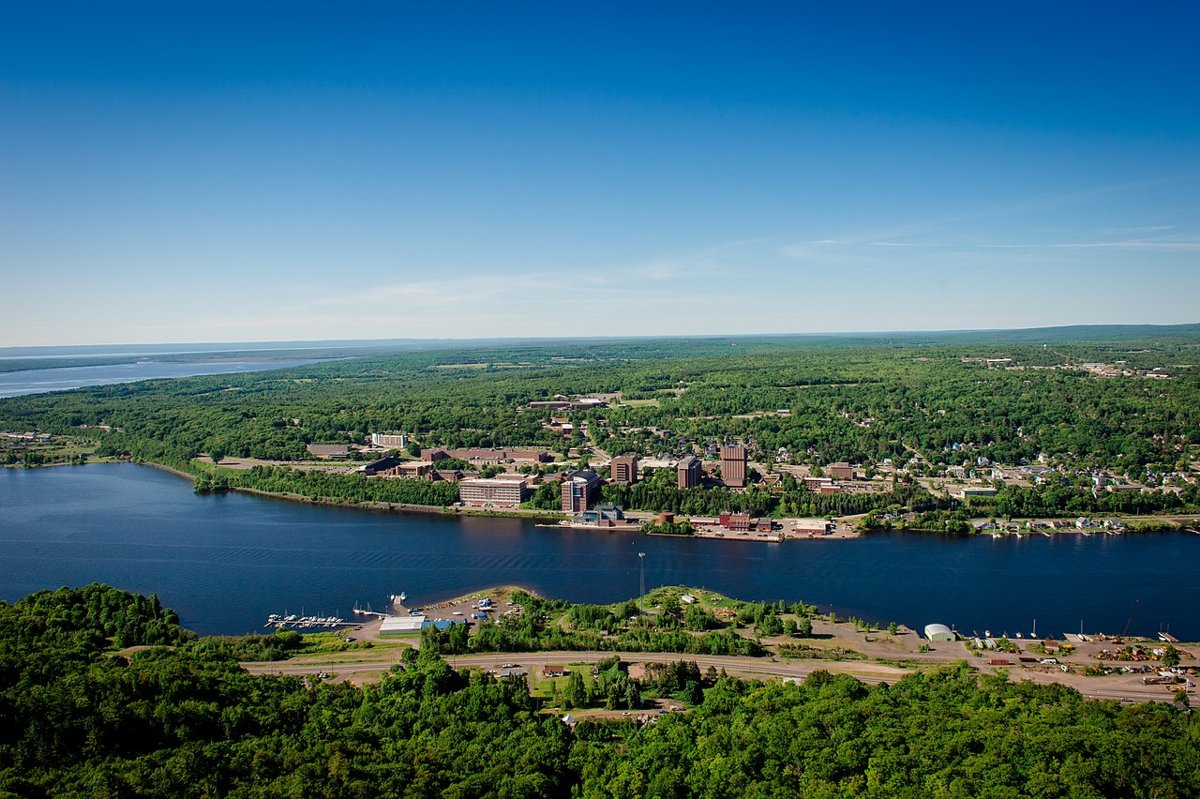
The campus sits in Houghton, Michigan, a remote town setting with 5,829 students and housing for 3,215. The student body is 70.51% male, reflecting the engineering focus, and 87.69% of students return for their sophomore year despite the isolated location.
Does Michigan Technological University have notable alumni?
The university counts Nobel Prize winner Glenn Seaborg among its graduates, who co-discovered plutonium, along with comedian Tim Allen and NASA engineer John Chisholm. Founded in 1885, Michigan Tech has a long history of producing graduates who make significant contributions to science and engineering.
Similar Schools
The University of Texas at Tyler
Tyler, Texas

Ferris State University
Big Rapids, Michigan

Wright State University
Dayton, Ohio

Indiana University of Pennsylvania
Indiana, Pennsylvania

University of Massachusetts-Dartmouth
North Dartmouth, Massachusetts
Southern Illinois University-Carbondale
Carbondale, Illinois