About Midland College
Students pay an average net price of $5,720 after aid, making this one of the more affordable paths to career training. Graduates earn a median of $43,958 ten years after enrollment, while carrying just $10,670 in debt. The monthly loan payment of $113 is manageable compared to earnings potential. Only 2.54% of students take federal loans, reflecting the school's low-cost approach to education.
The student body is 60% Hispanic and 95% in-state, creating a tight-knit community rooted in West Texas culture. Just 200 students live on campus, as most commute from the surrounding area. The 17% six-year graduation rate reflects the reality that many students here are working adults balancing education with jobs in the oil fields. Six varsity sports compete in the NJCAA, with the Chaparrals offering athletic scholarships worth nearly $938,000 total.
Academics & Faculty
Source: College Scorecard / U.S. Department of Education
- Student-to-Faculty Ratio
- 13:1
- Full-Time Faculty
- 48.0%
- Graduation Rate (4-year)
- 20.4%
- Graduation Rate (6-year)
- 17.1%
- Median Earnings (10 years)
- $43,958
Popular Programs by Earnings
| Program | Level | Median Earnings |
|---|---|---|
| Registered Nursing, Nursing Administration, Nursing Research and Clinical Nursing. | Associate | $56,415 |
| Allied Health Diagnostic, Intervention, and Treatment Professions. | Associate | $52,107 |
| Vehicle Maintenance and Repair Technologies. | Certificate | $50,856 |
| Liberal Arts and Sciences, General Studies and Humanities. | Associate | $33,993 |
Campus Life
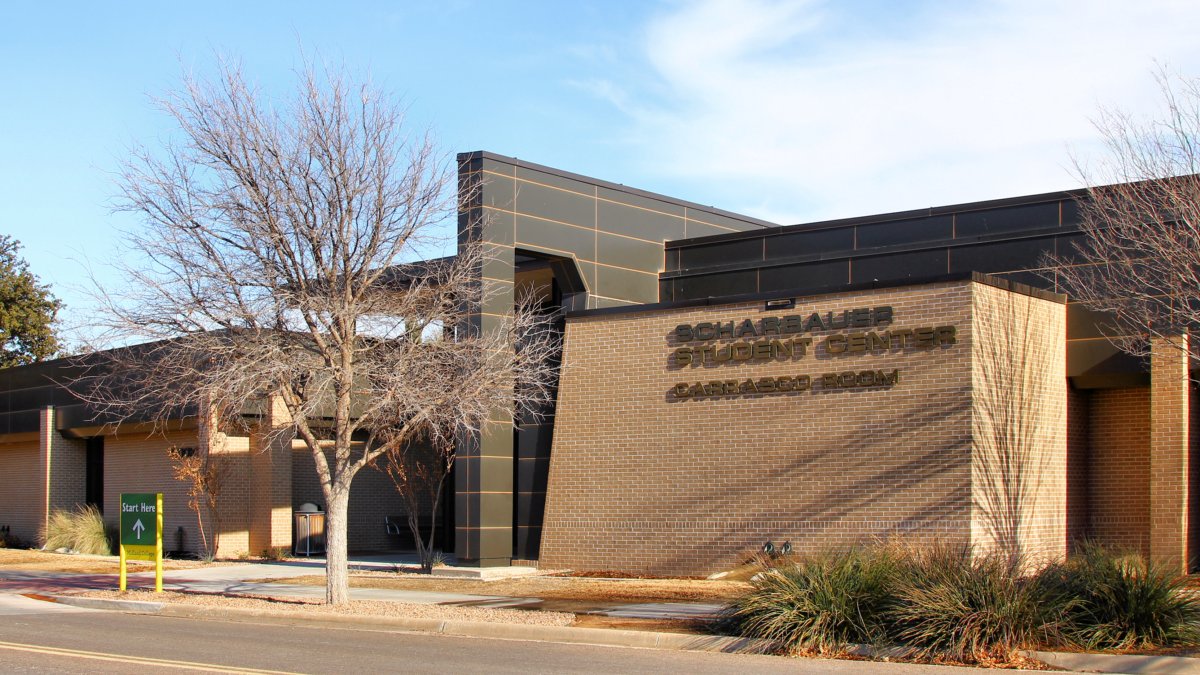
The 13:1 student-faculty ratio means smaller classes, but don't expect a traditional college social scene. Most students work in the oil industry or healthcare while attending classes. Women make up 60% of enrollment, and nearly 60% of students are Hispanic, reflecting the region's demographics. Weekends often involve work shifts at drilling sites or hospitals rather than campus parties. The Chaparrals compete in 6 NJCAA sports with 105 total athletes, though athletic scholarships total nearly $938,000. With 91% of graduates finding employment, students here are laser-focused on career preparation rather than campus life.
- Setting
- City-Midsize
- Housing Capacity
- 200 beds
- Calendar System
- Semester
- Founded
- 1972
Campus Safety (2023)
2 total reported incidents. Source: Clery Act / U.S. Department of Education
| Offense | On Campus | Residential | Noncampus | Public Property |
|---|---|---|---|---|
| Domestic Violence | 1 | 1 | 0 | 0 |
Climate & Weather
- January Avg
- 31°–60°F
- July Avg
- 69°–95°F
- Annual Precipitation
- 13.6"
- Annual Snowfall
- 1.9"
Student Demographics
- Men
- 40.3%
- Women
- 59.7%
- White
- 26.2%
- Black
- 5.6%
- Hispanic
- 59.8%
- Asian
- 1.8%
- In-State Students
- 95.1%
- Pell Grant Recipients
- 19.2%
Location
- Address
- Midland, Texas 79705
After College
Source: College Scorecard / U.S. Department of Education
- Median Earnings (10 years)
- $43,958
- Median Earnings (5 years)
- $50,814
- Mean Earnings (6 years after entry)
- $37,000
- Loan Repayment Rate
- 53.4%
- Monthly Loan Payment
- $113/mo
- Median Debt at Graduation
- $10,670
Frequently Asked Questions
What is the acceptance rate at Midland College?
Midland College operates with an open enrollment policy typical of community colleges, meaning qualified students are generally admitted without selective admissions. The college serves 5,020 students primarily from the local Permian Basin oil region. About 95% of students come from within Texas, reflecting its role as a regional community college.
How much does Midland College cost after financial aid?
The average net price at Midland College is $5,720 per year, making it highly affordable for most students. In-state tuition costs just $3,030 annually, while the total cost of attendance including room and board reaches $10,955. Students from families earning under $30,000 pay an average net price of only $4,315.
What academic programs is Midland College known for?
Midland College specializes in petroleum technology and nursing programs that serve the local oil industry. The college maintains a 13:1 student-faculty ratio, providing personalized attention in technical fields. Students can choose from programs designed to support the Permian Basin's energy sector workforce needs.
What are the graduation rates at Midland College?
Midland College has a 20% four-year graduation rate and 17% six-year graduation rate, which reflects the community college model where many students transfer or enter the workforce before completing degrees. Graduates earn a median salary of $43,958 ten years after enrollment. The employment rate reaches 91%, showing strong job market outcomes for completers.
What is campus life like at Midland College?
The campus houses only 200 students in on-campus housing, creating an intimate residential experience. Midland College fields six varsity sports teams called the Chaparrals competing in NJCAA athletics. The student body is 60% female and reflects the region's diversity with 60% Hispanic and 26% white students.
How does Midland College serve the oil industry?
Midland College strategically positions itself in the heart of the Permian Basin, America's most productive oil region. The college was founded in 1972 to meet the technical education needs of the energy sector. Students graduate with relatively low debt loads averaging $10,670, preparing them for high-demand jobs in petroleum technology and related fields.