
About Minneapolis Community and Technical College
Students pay an average net price of $13,235 after financial aid, with costs staying consistent regardless of family income until reaching higher brackets. Graduates earn a median of $40,086 ten years after enrollment, while typical student debt hits $17,954. Monthly loan payments average $190, and only 30.77% of borrowers successfully repay their loans. The employment rate reaches 93.2%, showing strong job placement despite modest earnings.
The student body reflects Minneapolis's diversity, with 35.69% Black students and 31.71% White students making up the largest groups. Women comprise 56.19% of enrollment. Nearly all students come from Minnesota, with 95.50% holding in-state status. The graduation rate of 16.80% reflects the challenges many community college students face, though those who complete programs find steady employment in their chosen fields.
Academics & Faculty
Source: College Scorecard / U.S. Department of Education
- Student-to-Faculty Ratio
- 24:1
- Full-Time Faculty
- 42.4%
- Graduation Rate (6-year)
- 16.8%
- Median Earnings (10 years)
- $40,086
Popular Programs by Earnings
| Program | Level | Median Earnings |
|---|---|---|
| Heating, Air Conditioning, Ventilation and Refrigeration Maintenance Technology/Technician (HAC, HACR, HVAC, HVACR). | Associate | $63,005 |
| Computer Programming. | Associate | $60,094 |
| Registered Nursing, Nursing Administration, Nursing Research and Clinical Nursing. | Associate | $58,866 |
| Precision Metal Working. | Associate | $55,512 |
| Allied Health Diagnostic, Intervention, and Treatment Professions. | Associate | $52,107 |
| Drafting/Design Engineering Technologies/Technicians. | Certificate | $48,823 |
| Computer/Information Technology Administration and Management. | Associate | $46,673 |
| Clinical/Medical Laboratory Science/Research and Allied Professions. | Certificate | $42,309 |
| Computer Software and Media Applications. | Associate | $41,725 |
| Electrical and Power Transmission Installers. | Certificate | $41,193 |
Campus Life
With 95.50% of students from Minnesota, most commute from around the Twin Cities metro area since no dorms exist. The 24:1 student-to-faculty ratio means larger class sizes, but instructors focus on hands-on training in labs and workshops. Students spend weekends working part-time jobs or internships that connect to their career programs. The diverse student body is 35.69% Black and 31.71% White, reflecting Minneapolis's urban demographics.
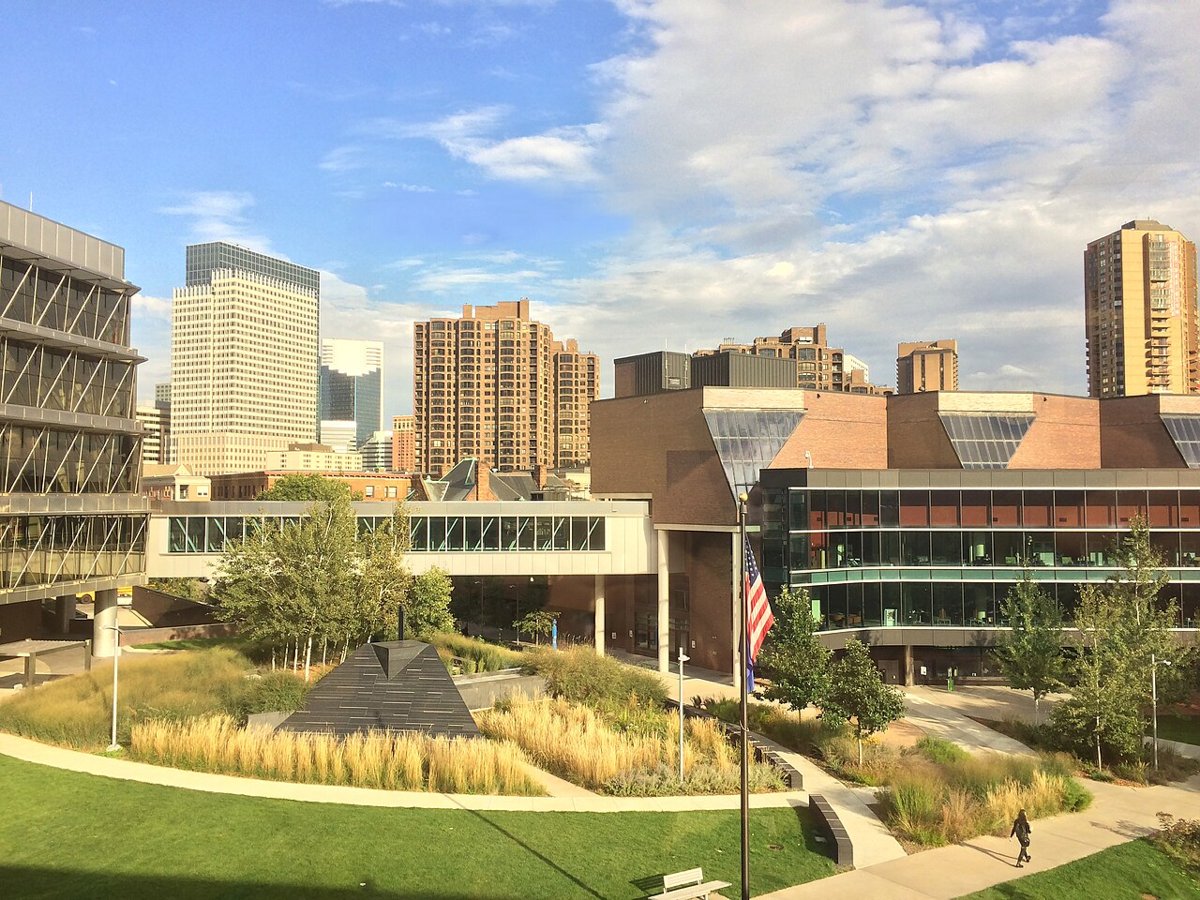
Downtown location means easy access to professional sports, restaurants, and cultural venues via light rail. Many students grab coffee between classes at nearby cafes or study in the skyway system during harsh winter weather. The practical, no-frills atmosphere attracts students serious about entering the workforce quickly rather than traditional college social life.
- Setting
- City-Large
- Calendar System
- Semester
Campus Safety (2023)
20 total reported incidents. Source: Clery Act / U.S. Department of Education
| Offense | On Campus | Residential | Noncampus | Public Property |
|---|---|---|---|---|
| Robbery | 1 | 0 | 0 | 4 |
| Stalking | 5 | 0 | 0 | 0 |
| Motor Vehicle Theft | 1 | 0 | 0 | 3 |
| Domestic Violence | 1 | 0 | 0 | 2 |
| Arson | 0 | 0 | 0 | 1 |
| Fondling | 1 | 0 | 0 | 0 |
| Rape | 0 | 0 | 0 | 1 |
Climate & Weather
- January Avg
- 8°–21°F
- July Avg
- 64°–83°F
- Annual Precipitation
- 34.4"
- Annual Snowfall
- 40.4"
Student Demographics
- Men
- 43.8%
- Women
- 56.2%
- White
- 31.7%
- Black
- 35.7%
- Hispanic
- 14.2%
- Asian
- 5.1%
- In-State Students
- 95.5%
- Pell Grant Recipients
- 40.3%
Location
- Address
- Minneapolis, Minnesota 55403-1779
After College
Source: College Scorecard / U.S. Department of Education
- Median Earnings (10 years)
- $40,086
- Median Earnings (5 years)
- $47,959
- Mean Earnings (6 years after entry)
- $31,500
- Loan Repayment Rate
- 30.8%
- Monthly Loan Payment
- $190/mo
- Median Debt at Graduation
- $17,954
Frequently Asked Questions
How hard is it to get into Minneapolis Community and Technical College?
Minneapolis Community and Technical College maintains an open admission policy typical of community colleges, welcoming students regardless of academic background. The college serves 4,816 students and focuses on providing accessible education to the Minneapolis community. Most students are Minnesota residents, with 95.50% coming from in-state.
What does Minneapolis Community and Technical College cost after financial aid?
The average net price is $13,235 annually, though costs vary by family income. Students from families earning under $30,000 pay around $12,634, while those from higher-income families above $110,000 pay $18,264. Only 40.33% of students receive financial aid, and the college offers limited institutional grants to just 5.11% of students.
What academic programs is Minneapolis Community and Technical College known for?
The college specializes in career-focused programs including nursing, automotive technology, and culinary arts that prepare students for immediate employment. Classes are taught with a 24:1 student-faculty ratio. The college operates on a semester calendar system and emphasizes hands-on training for the Minneapolis job market.
What are the graduation and employment outcomes at Minneapolis Community and Technical College?
The six-year graduation rate is 16.80%, which reflects the college's focus on workforce preparation rather than transfer education. However, graduates achieve strong employment outcomes with a 93.2% employment rate. Ten years after enrollment, median earnings reach $40,086, demonstrating the value of the college's technical training programs.
Where is Minneapolis Community and Technical College located and what is the campus like?
The college sits in Minneapolis, providing students access to internships and job opportunities in Minnesota's largest city. The urban setting serves a diverse student body that is 35.69% Black, 31.71% White, and 14.20% Hispanic. Women make up 56.19% of enrollment, reflecting strong participation in the college's healthcare and service-oriented programs.
How much student debt do graduates of Minneapolis Community and Technical College typically have?
Graduates carry a median debt load of $17,954, resulting in monthly loan payments of $190. Only 20.75% of students take federal loans, keeping debt levels relatively manageable. The loan repayment rate of 30.77% reflects the challenges some graduates face, though strong employment rates help most manage their obligations.
Similar Schools
Saint Paul College
Saint Paul, Minnesota
Century College
White Bear Lake, Minnesota

Rochester Community and Technical College
Rochester, Minnesota
Hennepin Technical College
Brooklyn Park, Minnesota

Metropolitan State University
Saint Paul, Minnesota

Minnesota State Community and Technical College
Fergus Falls, Minnesota