About Mission College
Students pay an average net price of $5,198, making this one of the more affordable pathways to career training. Graduates earn a median salary of $50,936 ten years after enrollment, delivering solid returns on a modest investment. Only 16% of students receive financial aid, suggesting many can handle the low tuition without borrowing. The 88% employment rate shows employers value the practical skills students develop here.
The student body reflects Silicon Valley's diversity, with 35% Asian students and 37% Hispanic students making up the majority. Nearly all students come from California, with 97% holding in-state residency. The 18:1 student-faculty ratio provides personal attention despite the college's focus on career preparation over traditional campus life. Athletics play a minimal role, with just 10 total athletes across two varsity sports.
Academics & Faculty
Source: College Scorecard / U.S. Department of Education
- Student-to-Faculty Ratio
- 18:1
- Full-Time Faculty
- 42.9%
- Graduation Rate (6-year)
- 52.5%
- Median Earnings (10 years)
- $50,936
Popular Programs by Earnings
| Program | Level | Median Earnings |
|---|---|---|
| Registered Nursing, Nursing Administration, Nursing Research and Clinical Nursing. | Associate | $84,653 |
Campus Life
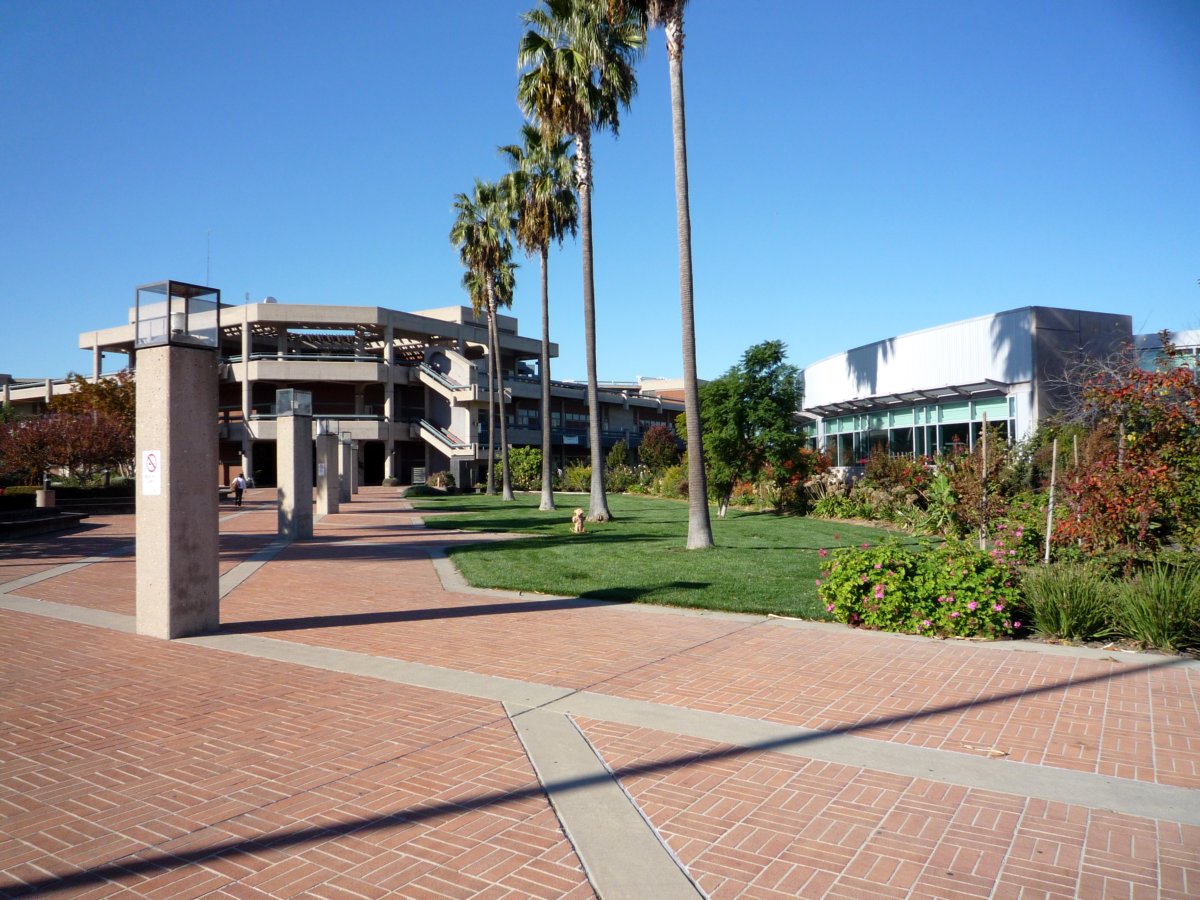
The mild Mediterranean climate means you'll need sunscreen year-round but rarely a heavy coat. Students often study outdoors between classes on the compact urban campus. With 53% women and 47% men, the student body reflects the diverse South Bay community where 37% are Hispanic and 35% are Asian. The small athletic program fields just 10 total athletes across two varsity sports, so campus life centers more around career preparation than school spirit.
Weekends find many students working in local tech companies or retail jobs rather than attending campus events. The 18:1 student-to-faculty ratio means you'll get personal attention in classes focused on practical skills. Most social connections happen in major-specific programs like nursing or computer science where students bond over shared career goals.
- Setting
- City-Midsize
- Calendar System
- Semester
- Study Abroad
- Available
- Founded
- 1975
Campus Safety (2023)
5 total reported incidents. Source: Clery Act / U.S. Department of Education
| Offense | On Campus | Residential | Noncampus | Public Property |
|---|---|---|---|---|
| Burglary | 2 | 0 | 0 | 0 |
| Stalking | 2 | 0 | 0 | 0 |
| Aggravated Assault | 1 | 0 | 0 | 0 |
Climate & Weather
- January Avg
- 42°–59°F
- July Avg
- 58°–76°F
- Annual Precipitation
- 13.5"
- Annual Snowfall
- 0.0"
Student Demographics
- Men
- 46.7%
- Women
- 53.3%
- White
- 11.9%
- Black
- 4.0%
- Hispanic
- 37.1%
- Asian
- 35.2%
- In-State Students
- 97.1%
- Pell Grant Recipients
- 16.2%
Location
- Address
- Santa Clara, California 95054-1897
After College
Source: College Scorecard / U.S. Department of Education
- Median Earnings (10 years)
- $50,936
- Median Earnings (5 years)
- $67,384
- Mean Earnings (6 years after entry)
- $33,900
- Loan Repayment Rate
- 47.0%
Frequently Asked Questions
What are the admission requirements at Mission College?
Mission College maintains an open admission policy typical of California community colleges, welcoming students regardless of high school GPA or test scores. The college serves 5,557 students who are primarily local residents, with 97.08% coming from in-state. This accessibility makes it a popular stepping stone for students planning to transfer to four-year universities or enter the workforce.
How much does Mission College cost after financial aid?
Students pay an average net price of $5,198 after aid, though costs vary by family income. Low-income students with family earnings under $30,000 pay just $3,856 on average. The low sticker price of $1,438 for in-state tuition makes Mission College one of the most affordable higher education options in expensive Silicon Valley.
What academic programs is Mission College known for?
Mission College specializes in career-focused programs that serve the South Bay tech industry, particularly nursing, computer science, and business. The college maintains an 18:1 student-faculty ratio, allowing for more personalized attention than typical at larger institutions. Students benefit from the school's location in Santa Clara, which provides internship and job opportunities with nearby tech companies.
What are the graduation and employment outcomes at Mission College?
Mission College achieves a 52.50% six-year graduation rate, which is solid for a community college serving diverse student needs. Graduates earn a median salary of $50,936 ten years after starting college, reflecting the strong job market in Silicon Valley. The college boasts an 88.1% employment rate, demonstrating its effectiveness in preparing students for the workforce.
What is the campus diversity like at Mission College?
Mission College reflects Silicon Valley's multicultural population with significant diversity across ethnic groups. Asian students make up 35.20% of enrollment while Hispanic students represent 37.11%, creating a majority-minority campus. Women slightly outnumber men at 53.27%, and the college serves a predominantly commuter student body in the heart of tech country.
Does Mission College offer athletic programs?
Mission College fields just 2 varsity sports with only 10 total student athletes, making it one of the smallest athletic programs among California community colleges. The Saints compete as an independent rather than in a conference, and the college offers no athletic scholarships. Most students focus on academics and career preparation rather than sports at this transfer-focused institution.