About Mohave Community College
The financial picture looks reasonable for students staying in-state. Arizona residents pay just $2,136 in tuition, while the average net price after aid reaches $6,806. Graduates earn a median of $35,522 ten years after starting college. Students typically leave with $9,700 in debt and monthly loan payments of $103. The 89.1% employment rate suggests most graduates find work after completing their programs.
Women make up 71.35% of the student body, reflecting the college's strong nursing and education programs. Only 30.93% of students receive federal financial aid, indicating many come from working families who don't qualify for need-based assistance. The 29.90% six-year graduation rate reflects the challenges many community college students face balancing work, family, and school in rural areas.
Academics & Faculty
Source: College Scorecard / U.S. Department of Education
- Student-to-Faculty Ratio
- 11:1
- Full-Time Faculty
- 19.8%
- Graduation Rate (6-year)
- 29.9%
- Median Earnings (10 years)
- $35,522
Popular Programs by Earnings
| Program | Level | Median Earnings |
|---|---|---|
| Registered Nursing, Nursing Administration, Nursing Research and Clinical Nursing. | Associate | $62,632 |
| Allied Health Diagnostic, Intervention, and Treatment Professions. | Associate | $48,823 |
| Allied Health and Medical Assisting Services. | Associate | $30,409 |
| Accounting and Related Services. | Associate | $28,598 |
| Liberal Arts and Sciences, General Studies and Humanities. | Associate | $25,580 |
| Social Sciences, Other. | Associate | $20,140 |
Campus Life
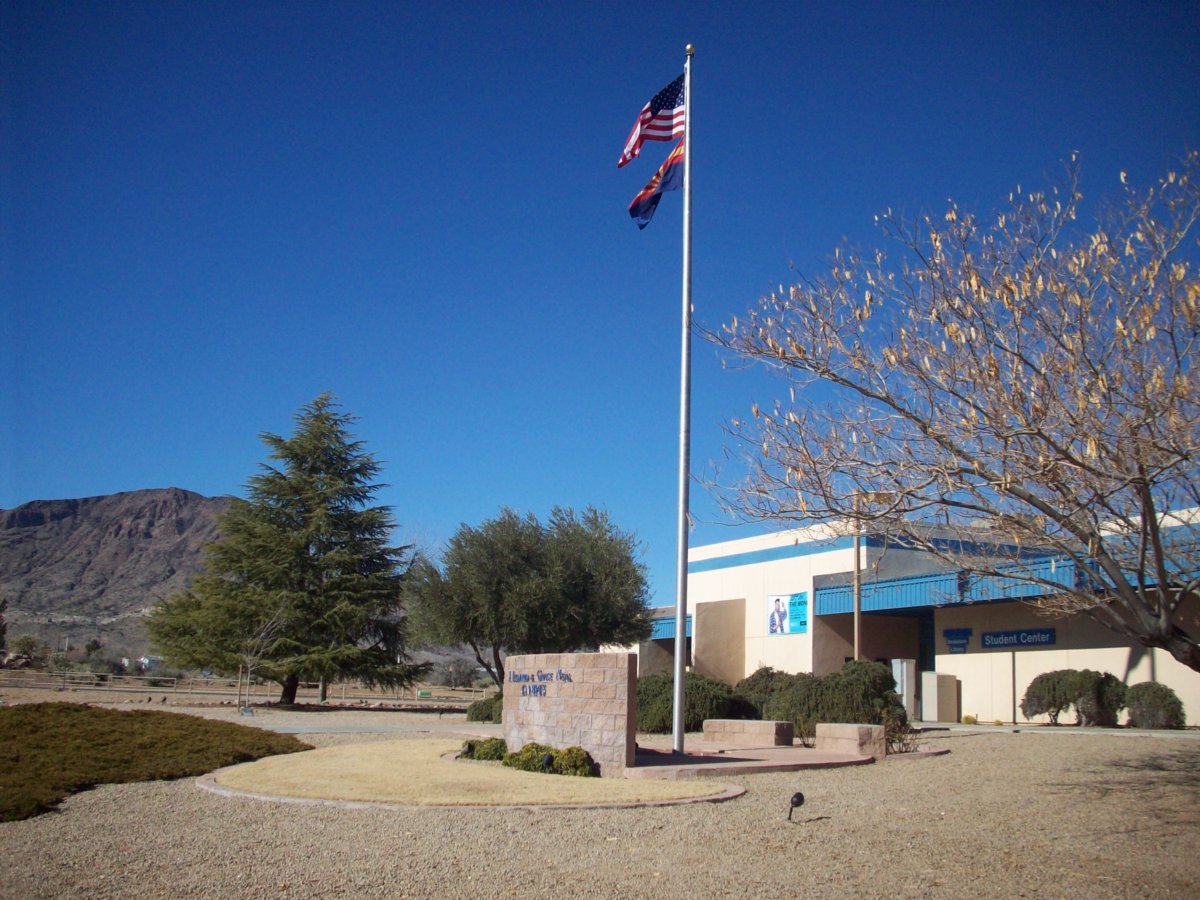
The 11:1 student-faculty ratio means small classes where professors know your name. Nearly 87% of students come from in-state, creating a tight-knit community feel on the commuter-focused campus. Most students live off-campus in Kingman or surrounding areas, driving to classes during the day. Weekends often involve trips to Las Vegas for entertainment or outdoor activities in the nearby Hualapai Mountains. The college serves a large geographic area across northwestern Arizona, so many students balance coursework with jobs in mining, healthcare, or tourism. Study groups frequently meet at local coffee shops downtown, and the campus hosts community events that bring together students and longtime Kingman residents.
- Setting
- Rural-Fringe
- Calendar System
- Semester
- Founded
- 1970
Campus Safety (2023)
No reported Clery Act crimes in 2023.
Climate & Weather
- January Avg
- 30°–57°F
- July Avg
- 70°–98°F
- Annual Precipitation
- 8.0"
- Annual Snowfall
- 0.0"
Student Demographics
- Men
- 28.7%
- Women
- 71.4%
- White
- 60.2%
- Black
- 1.7%
- Hispanic
- 28.7%
- Asian
- 1.4%
- In-State Students
- 86.4%
- Pell Grant Recipients
- 30.9%
Location
- Address
- Kingman, Arizona 86409-1238
After College
Source: College Scorecard / U.S. Department of Education
- Median Earnings (10 years)
- $35,522
- Median Earnings (5 years)
- $45,049
- Mean Earnings (6 years after entry)
- $27,400
- Loan Repayment Rate
- 36.6%
- Monthly Loan Payment
- $103/mo
- Median Debt at Graduation
- $9,700
Frequently Asked Questions
What are the admission requirements at Mohave Community College?
Mohave Community College maintains an open admission policy typical of community colleges, welcoming students regardless of academic background. The school serves 2,750 students across rural Arizona communities. Most students use MCC as a stepping stone to four-year universities or to gain career training in high-demand fields.
How much does Mohave Community College cost after financial aid?
Students pay an average net price of $6,806 annually at Mohave Community College. In-state tuition runs just $2,136 while out-of-state students pay $7,248. About 31% of students receive federal Pell Grants, reflecting the college's commitment to serving lower-income rural communities.
What is the student-faculty ratio at Mohave Community College?
Mohave Community College maintains an 11:1 student-faculty ratio, providing personalized attention in small class settings. The college operates on a semester calendar system across multiple campuses in rural Arizona. Students benefit from close relationships with instructors who understand the unique challenges of rural education.
What are typical earnings for Mohave Community College graduates?
Graduates earn a median of $35,522 ten years after completing their programs at Mohave Community College. The employment rate reaches 89.1%, reflecting strong job placement in the region. Many graduates pursue careers in healthcare, trades, and business sectors that serve rural Arizona communities.
Where is Mohave Community College located and who attends?
Mohave Community College serves the rural-fringe communities around Kingman, Arizona, with 86% of its 2,750 students coming from in-state. The student body is 71% female and 60% white, with 29% Hispanic enrollment reflecting the region's demographics. Founded in 1970, MCC has deep roots in serving northwestern Arizona's educational needs.
Does Mohave Community College have a good graduation rate?
Mohave Community College reports a 30% six-year graduation rate, which reflects the reality that many community college students attend part-time while working. Students who do borrow graduate with a median debt of $9,700 and monthly payments of $103. The college focuses on practical career training and transfer preparation rather than traditional four-year completion metrics.