
About Montana State University
The average net price of $20,593 makes MSU affordable for a research university. Graduates earn a median of $53,263 ten years out, easily covering the typical $22,500 in student debt with monthly payments of $239. Only 16.73% of students receive Pell grants, suggesting families can generally handle the costs. Out-of-state students pay $31,337 in tuition, but many find the investment worthwhile for MSU's engineering reputation.
The 73.33% acceptance rate welcomes solid students with average SAT scores of 1180. However, the 57.30% six-year graduation rate reveals that many students struggle to finish. The 18:1 student-faculty ratio means you might get lost in larger classes. MSU competes in Division I athletics as the Bobcats, giving 314 student-athletes $6.9 million in scholarships to represent the Big Sky Conference.
Academics & Faculty
Source: College Scorecard / U.S. Department of Education
- Student-to-Faculty Ratio
- 18:1
- Full-Time Faculty
- 57.4%
- Graduation Rate (4-year)
- 57.1%
- Graduation Rate (6-year)
- 57.3%
- Retention Rate
- 77.9%
- Median Earnings (10 years)
- $53,263
- Carnegie Classification
- Doctoral University (R1)
Popular Programs by Earnings
| Program | Level | Median Earnings |
|---|---|---|
| Registered Nursing, Nursing Administration, Nursing Research and Clinical Nursing. | Master | $78,343 |
| Computer Science. | Bachelor | $72,325 |
| Electrical, Electronics and Communications Engineering. | Bachelor | $65,387 |
| Computer Engineering. | Bachelor | $65,332 |
| Construction Engineering Technologies. | Bachelor | $63,997 |
| Mechanical Engineering. | Bachelor | $61,090 |
| Registered Nursing, Nursing Administration, Nursing Research and Clinical Nursing. | Bachelor | $59,411 |
| Accounting and Related Services. | Master | $57,860 |
| Mechanical Engineering Related Technologies/Technicians. | Bachelor | $57,318 |
| Teacher Education and Professional Development, Specific Subject Areas. | Master | $57,318 |
Campus Life
Weekends revolve around the mountains and Big Sky country recreation. Students hit the slopes at Bridger Bowl or Big Sky Resort in winter, while spring and fall bring hiking, fishing, and camping trips. The 18:1 student-faculty ratio means you'll likely know your professors personally, especially in the well-known engineering and agriculture programs. Bobcat football games draw crowds to the Big Sky Conference matchups. The campus employment rate hits 96.6%, reflecting strong connections between academic programs and local industries. Greek life exists but doesn't dominate social life like at larger universities. Most students embrace the outdoor lifestyle that drew them to Montana in the first place.
- Setting
- City-Small
- Housing Capacity
- 4,764 beds
- Calendar System
- Semester
- Study Abroad
- Available
- Founded
- 1893
Campus Safety (2023)
125 total reported incidents. Source: Clery Act / U.S. Department of Education
| Offense | On Campus | Residential | Noncampus | Public Property |
|---|---|---|---|---|
| Rape | 16 | 15 | 2 | 0 |
| Stalking | 16 | 9 | 0 | 0 |
| Aggravated Assault | 8 | 5 | 6 | 0 |
| Dating Violence | 9 | 8 | 0 | 0 |
| Fondling | 8 | 5 | 2 | 0 |
| Domestic Violence | 4 | 3 | 0 | 0 |
| Arson | 3 | 1 | 0 | 0 |
| Motor Vehicle Theft | 3 | 0 | 0 | 0 |
| Incest | 1 | 1 | 0 | 0 |
Climate & Weather
- January Avg
- 14°–36°F
- July Avg
- 50°–83°F
- Annual Precipitation
- 19.7"
- Annual Snowfall
- 91.0"
Student Demographics
- Men
- 54.0%
- Women
- 46.0%
- White
- 84.3%
- Black
- 0.4%
- Hispanic
- 5.8%
- Asian
- 1.0%
- In-State Students
- 42.2%
- Pell Grant Recipients
- 16.7%
Location
- Address
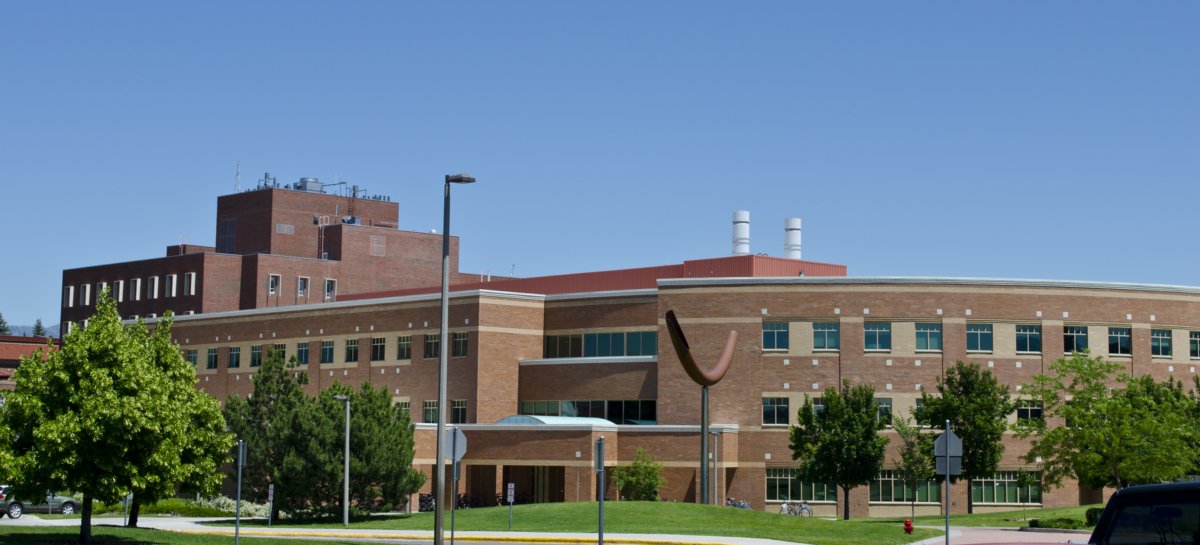
- Bozeman, Montana 59717
After College
Source: College Scorecard / U.S. Department of Education
- Median Earnings (10 years)
- $53,263
- Median Earnings (5 years)
- $60,146
- Mean Earnings (6 years after entry)
- $38,000
- Loan Repayment Rate
- 69.4%
- Monthly Loan Payment
- $239/mo
- Median Debt at Graduation
- $22,500
Frequently Asked Questions
What is the acceptance rate at Montana State University?
Montana State University accepts 73% of applicants, making it moderately selective for a public research university. The middle 50% of admitted students score between 1070 and 1290 on the SAT, reflecting the university's focus on accessible education while maintaining academic standards.
How much does Montana State University cost after financial aid?
The average net price is $20,593 after aid, though only 16.73% of students receive Pell Grants. Out-of-state students face tuition of $31,337, while in-state residents pay just $8,083, making it particularly affordable for Montana residents.
What is Montana State University known for academically?
Montana State excels in engineering and agriculture programs, building on its land-grant heritage since 1893. The university conducts notable research in paleontology and sustainable technologies, with an 18:1 student-faculty ratio supporting these research-intensive programs.
How well do Montana State University graduates perform in the job market?
Graduates achieve a 96.6% employment rate and earn a median salary of $53,263 ten years after graduation. The loan repayment rate of 69.43% suggests many alumni successfully manage their debt, which averages $22,500 upon graduation.
Where is Montana State University located and what is campus life like?
The campus sits in Bozeman, a small city with 14,472 total students and housing for 4,764 on campus. The Bobcats compete in NCAA Division I with 314 varsity athletes across 11 sports, creating school spirit in the Big Sky Conference.
Does Montana State University attract students from outside Montana?
Nearly 58% of students come from out of state, unusual for a public university in a rural state. This draw likely stems from Bozeman's appeal as a gateway to outdoor recreation and the university's strong reputation in specialized fields like engineering and agriculture.
Similar Schools
University of Oklahoma-Norman Campus
Norman, Oklahoma

University of Delaware
Newark, Delaware
University of Hawaii at Manoa
Honolulu, Hawaii

University of Louisiana at Lafayette
Lafayette, Louisiana

University of Colorado Denver/Anschutz Medical Campus
Denver, Colorado
Mississippi State University
Mississippi State, Mississippi