About Montana State University Billings
Students pay an average net price of $15,044 after aid, making this one of the more affordable paths to a bachelor's degree. Graduates earn a median of $44,296 ten years after graduation, while typical student debt sits at $18,209. Monthly loan payments average just $193, creating manageable debt loads for working professionals. The 95.7% employment rate shows employers value MSUB graduates.
Nearly 90% of students come from Montana, creating a tight-knit community focused on staying and working in-state. Women make up 64% of the student body, reflecting the university's strength in nursing and education programs. The Yellowjackets compete in NCAA Division II with 16 varsity sports supported by $1.4 million in athletic scholarships. However, the 28% graduation rate signals that many students struggle to finish their degrees within six years.
Academics & Faculty
Source: College Scorecard / U.S. Department of Education
- Student-to-Faculty Ratio
- 14:1
- Full-Time Faculty
- 65.0%
- Graduation Rate (4-year)
- 28.4%
- Graduation Rate (6-year)
- 28.2%
- Retention Rate
- 55.7%
- Median Earnings (10 years)
- $44,296
- Carnegie Classification
- Master's University (Medium)
Popular Programs by Earnings
| Program | Level | Median Earnings |
|---|---|---|
| Registered Nursing, Nursing Administration, Nursing Research and Clinical Nursing. | Associate | $58,402 |
| Liberal Arts and Sciences, General Studies and Humanities. | Bachelor | $43,993 |
| Vehicle Maintenance and Repair Technologies. | Associate | $39,909 |
| Business/Commerce, General. | Bachelor | $39,369 |
| Public Relations, Advertising, and Applied Communication. | Bachelor | $38,289 |
| Health and Medical Administrative Services. | Bachelor | $38,289 |
| Special Education and Teaching. | Master | $37,208 |
| Precision Metal Working. | Associate | $36,848 |
| Teacher Education and Professional Development, Specific Levels and Methods. | Bachelor | $32,284 |
| Criminal Justice and Corrections. | Bachelor | $31,890 |
Campus Life
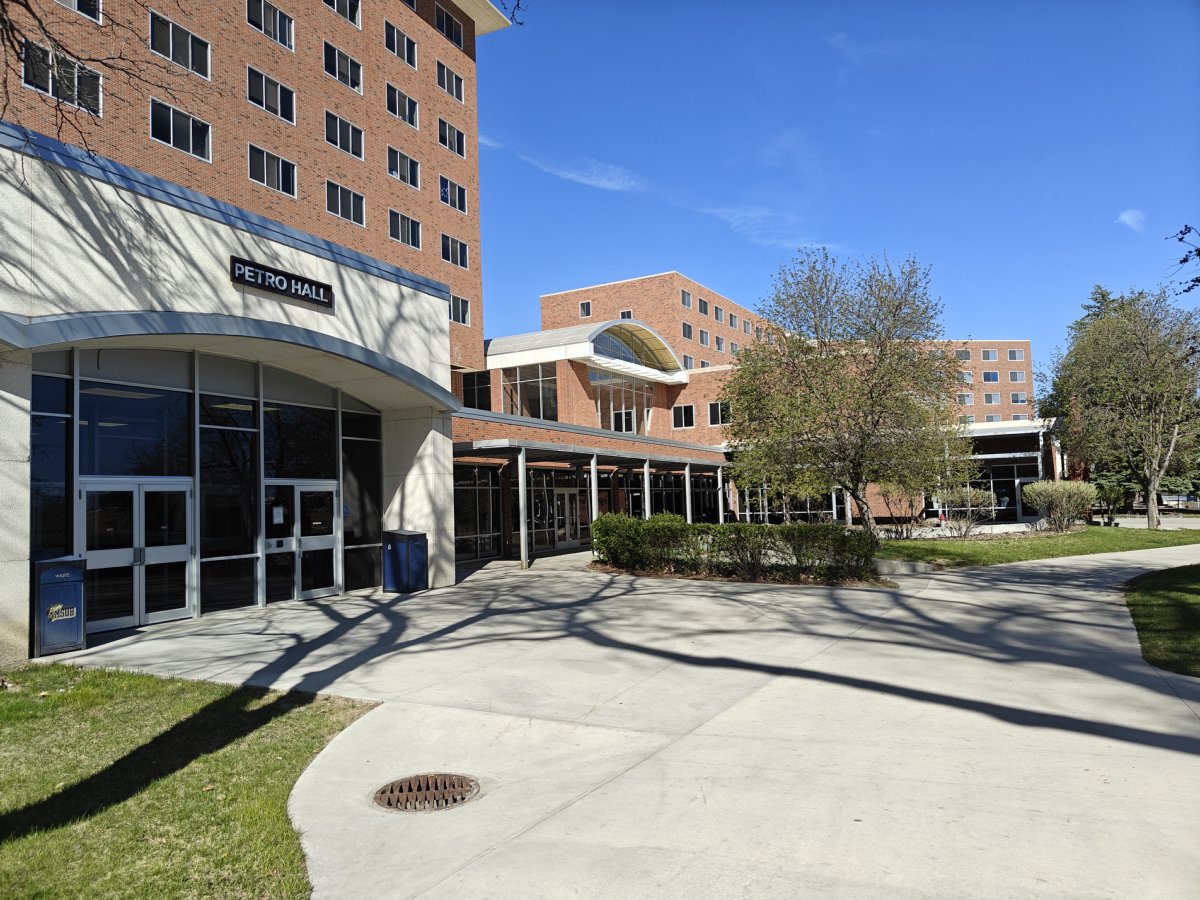
The campus has a commuter school feel, with 89.68% of students coming from Montana. Students often head to the nearby Yellowstone River for outdoor activities or drive to the Beartooth Mountains for skiing and hiking. The 14:1 student-faculty ratio creates smaller class sizes where professors know students by name. With women making up 63.62% of enrollment, the campus leans female. Weekend social life tends to be low-key, with many students working part-time jobs or spending time with family rather than participating in traditional college party scenes. The Yellowjackets compete in 16 NCAA Division II sports, though athletics don't dominate campus culture.
- Setting
- City-Midsize
- Housing Capacity
- 571 beds
- Calendar System
- Semester
- Study Abroad
- Available
- Founded
- 1927
Campus Safety (2023)
27 total reported incidents. Source: Clery Act / U.S. Department of Education
| Offense | On Campus | Residential | Noncampus | Public Property |
|---|---|---|---|---|
| Burglary | 5 | 5 | 0 | 0 |
| Fondling | 4 | 3 | 0 | 0 |
| Rape | 3 | 3 | 0 | 0 |
| Aggravated Assault | 2 | 0 | 0 | 0 |
| Stalking | 2 | 0 | 0 | 0 |
Climate & Weather
- January Avg
- 15°–40°F
- July Avg
- 56°–89°F
- Annual Precipitation
- 14.2"
- Annual Snowfall
- 0.0"
Student Demographics
- Men
- 36.4%
- Women
- 63.6%
- White
- 75.5%
- Black
- 0.7%
- Hispanic
- 7.8%
- Asian
- 1.1%
- In-State Students
- 89.7%
- Pell Grant Recipients
- 26.5%
Location
- Address
- Billings, Montana 59101-0298
After College
Source: College Scorecard / U.S. Department of Education
- Median Earnings (10 years)
- $44,296
- Median Earnings (5 years)
- $52,028
- Mean Earnings (6 years after entry)
- $34,300
- Loan Repayment Rate
- 58.6%
- Monthly Loan Payment
- $193/mo
- Median Debt at Graduation
- $18,209
Frequently Asked Questions
How competitive is admission to Montana State University Billings?
Montana State University Billings maintains an open admission policy typical of regional public universities, with a 55.70% first-year retention rate indicating moderate student preparation levels. The university serves as an accessible entry point to higher education in Montana, particularly for the 89.68% of students who come from in-state.
What does Montana State University Billings cost after financial aid?
Students pay an average net price of $15,044 annually, with significant variation based on family income ranging from $12,147 for lowest-income families to $18,473 for highest earners. Only 26.47% of students receive Pell Grants, suggesting the university serves a mix of working-class and middle-income Montana families.
What academic programs is Montana State University Billings known for?
The university has built its reputation on practical programs in health sciences, education, and business that serve regional workforce needs. With a 14:1 student-to-faculty ratio, students get personalized attention in career-focused programs designed for Montana's economy.
How successful are Montana State University Billings graduates in finding jobs?
Graduates achieve a strong 95.7% employment rate, reflecting the university's focus on job-ready skills and regional employer connections. However, the 28.20% six-year graduation rate suggests many students take longer to complete degrees or leave before finishing.
What is campus life like at Montana State University Billings?
With 2,710 students and housing for just 571, this is primarily a commuter campus where most students live off-campus in Billings. The Yellowjackets compete in 16 NCAA Division II sports with 235 total athletes, creating school spirit despite the smaller residential population.
How much student debt do Montana State University Billings graduates typically have?
Graduates leave with a median debt of $18,209 and monthly loan payments of $193, which is relatively manageable given the median earnings of $44,296 ten years after graduation. The 58.58% loan repayment rate reflects the practical, career-oriented education that helps graduates find steady employment in Montana.