About Niagara University
The financial picture tells a reasonable story for most families. Students pay an average net price of $18,740 after aid, less than the sticker price of $51,535. Graduates earn a median of $56,196 ten years after graduation, while carrying typical debt loads of $25,475. The 10-to-1 student-faculty ratio suggests personalized attention that helps justify the investment.
Women make up 66% of the student body, creating a female-majority environment. The Purple Eagles compete in Division I athletics with 19 varsity sports and 339 student-athletes. With an 89.6% acceptance rate, Niagara welcomes most serious applicants while maintaining academic standards reflected in its 1135 average SAT score. The 80.7% retention rate shows most students find what they're looking for here.
Academics & Faculty
Source: College Scorecard / U.S. Department of Education
- Student-to-Faculty Ratio
- 10:1
- Full-Time Faculty
- 100.0%
- Graduation Rate (4-year)
- 71.3%
- Graduation Rate (6-year)
- 70.2%
- Retention Rate
- 80.7%
- Median Earnings (10 years)
- $56,196
- Carnegie Classification
- Master's University (Large)
Popular Programs by Earnings
| Program | Level | Median Earnings |
|---|---|---|
| Registered Nursing, Nursing Administration, Nursing Research and Clinical Nursing. | Bachelor | $69,854 |
| Business/Commerce, General. | Master | $54,644 |
| Accounting and Related Services. | Master | $53,497 |
| Special Education and Teaching. | Master | $46,478 |
| Accounting and Related Services. | Bachelor | $41,007 |
| Criminal Justice and Corrections. | Master | $40,813 |
| Mental and Social Health Services and Allied Professions. | Master | $39,369 |
| Computer and Information Sciences, General. | Bachelor | $37,208 |
| Business Administration, Management and Operations. | Bachelor | $36,848 |
| Criminal Justice and Corrections. | Bachelor | $34,526 |
Campus Life
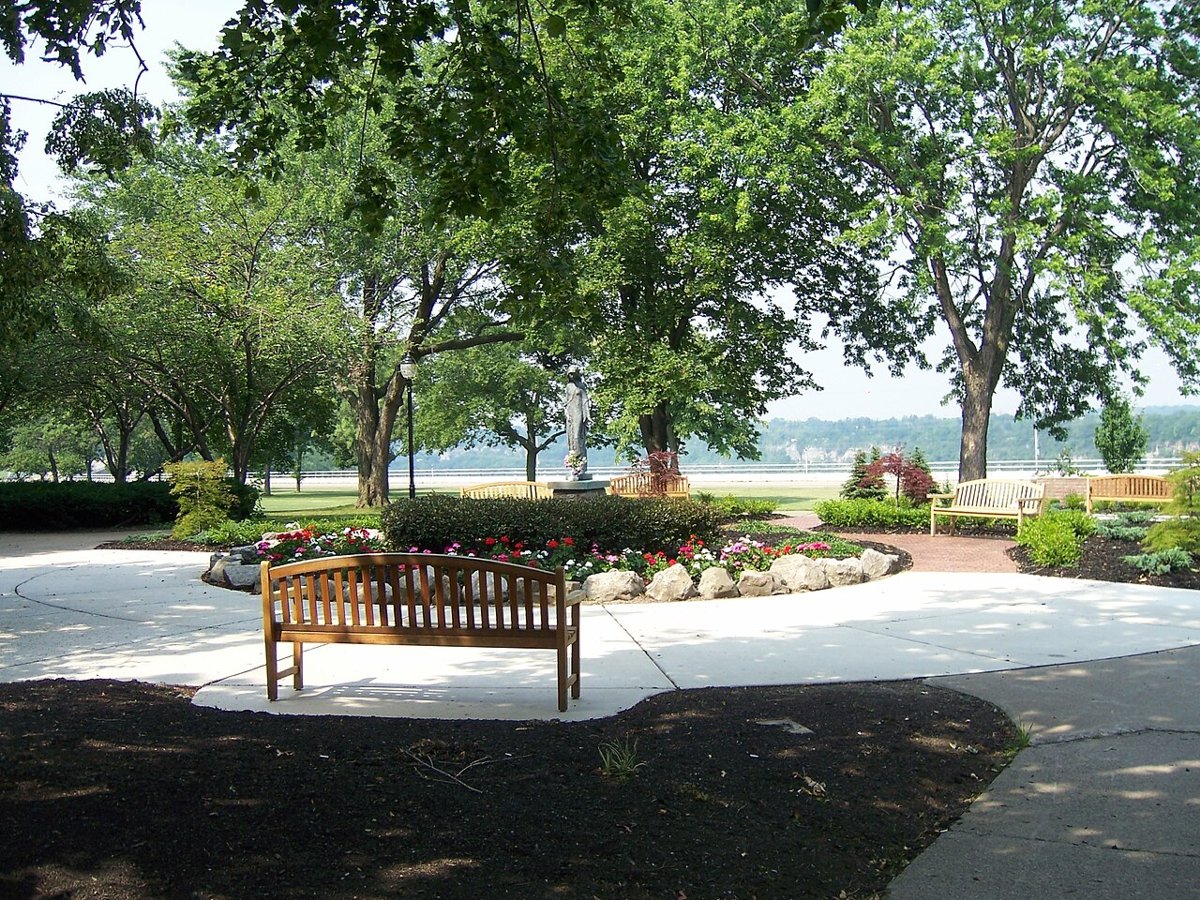
Women outnumber men nearly 2-to-1 at 66%, and 83% of students come from New York State. Purple Eagles athletics draw campus-wide support, with 339 student-athletes competing across 19 Division I sports. Basketball games against rival Canisius generate the biggest crowds. Weekend activities center around campus events, trips to nearby Buffalo for restaurants and nightlife, or outdoor adventures at Niagara Falls State Park. The suburban setting means you'll want a car for off-campus exploration, though shuttle services connect to local shopping and the falls.
- Setting
- Suburb-Large
- Housing Capacity
- 1,442 beds
- Calendar System
- Semester
- Study Abroad
- Available
- Founded
- 1856
Campus Safety (2023)
13 total reported incidents. Source: Clery Act / U.S. Department of Education
| Offense | On Campus | Residential | Noncampus | Public Property |
|---|---|---|---|---|
| Rape | 3 | 3 | 0 | 0 |
| Dating Violence | 2 | 2 | 0 | 0 |
| Fondling | 1 | 1 | 0 | 0 |
| Stalking | 1 | 0 | 0 | 0 |
Climate & Weather
- January Avg
- 18°–33°F
- July Avg
- 63°–82°F
- Annual Precipitation
- 34.7"
- Annual Snowfall
- 72.4"
Student Demographics
- Men
- 34.0%
- Women
- 66.1%
- White
- 58.8%
- Black
- 6.9%
- Hispanic
- 5.4%
- Asian
- 1.9%
- In-State Students
- 82.9%
- Pell Grant Recipients
- 25.9%
Location
- Address
- Niagara University, New York 14109
After College
Source: College Scorecard / U.S. Department of Education
- Median Earnings (10 years)
- $56,196
- Median Earnings (5 years)
- $56,693
- Mean Earnings (6 years after entry)
- $37,000
- Loan Repayment Rate
- 72.3%
- Monthly Loan Payment
- $270/mo
- Median Debt at Graduation
- $25,475
Frequently Asked Questions
What is the acceptance rate at Niagara University?
Niagara University accepts 89.55% of applicants, making it accessible to most students who apply. The middle 50% of admitted students score between 1030 and 1240 on the SAT. This Catholic university focuses on building a close-knit community rather than exclusivity.
How much does Niagara University cost after financial aid?
Students pay an average net price of $18,740 after financial aid, less than the sticker price of $51,535. About 26% of students receive Pell Grants for low-income families. Graduates typically leave with $25,475 in debt and monthly loan payments of $270.
What is the student-faculty ratio at Niagara University?
Niagara University maintains a 10:1 student-faculty ratio with just 2,713 total students. The small class sizes support the university's focus on business and education programs. About 80.7% of students return for their sophomore year, reflecting satisfaction with the personal attention.
What are the job prospects for Niagara University graduates?
Graduates achieve a 98.2% employment rate and earn a median salary of $56,196 ten years after graduation. About 70% complete their degree within six years. The strong alumni network includes NBA Hall of Famer Calvin Murphy and two-time MLB MVP Juan Gonzalez.
Where is Niagara University located and what is campus life like?
The campus sits near Niagara Falls in a large suburban setting with housing for 1,442 students. Women make up 66% of the student body, while 83% of students come from New York state. The Purple Eagles compete in 19 NCAA Division I sports with $5.7 million in athletic scholarships.
Does Niagara University have strong athletic programs?
The Purple Eagles field 19 varsity teams with 339 total athletes competing in NCAA Division I as part of the Metro Atlantic Athletic Conference. The university invests $5.66 million annually in athletic scholarships. Athletics serve as a major source of school pride and community connection on the small Catholic campus.