

About North Arkansas College
Students pay an average net price of $10,146 after financial aid, making this one of Arkansas's more affordable college options. Graduates earn a median of $34,653 ten years after starting, while typical student debt sits at just $9,000. Monthly loan payments average only $95, keeping debt manageable for working-class families. The 93.4% employment rate shows employers value NAC training programs.
Women make up 63% of the student body, reflecting the college's strong programs in healthcare and education. The Pioneers compete in five NCCAA sports with 109 total athletes sharing $79,627 in athletic scholarships. Nearly 89% of students come from Arkansas, creating a close-knit community where students often stay local after graduation. Only 64 on-campus housing spots mean most students commute from surrounding Ozark communities.
Academics & Faculty
Source: College Scorecard / U.S. Department of Education
- Student-to-Faculty Ratio
- 11:1
- Full-Time Faculty
- 54.2%
- Graduation Rate (6-year)
- 29.1%
- Median Earnings (10 years)
- $34,653
Popular Programs by Earnings
| Program | Level | Median Earnings |
|---|---|---|
| Registered Nursing, Nursing Administration, Nursing Research and Clinical Nursing. | Associate | $51,106 |
| Allied Health Diagnostic, Intervention, and Treatment Professions. | Associate | $36,848 |
| Practical Nursing, Vocational Nursing and Nursing Assistants. | Certificate | $34,526 |
| Multi/Interdisciplinary Studies, Other. | Associate | $32,391 |
| Ground Transportation. | Certificate | $29,685 |
| Precision Metal Working. | Certificate | $28,598 |
| Computer and Information Sciences, General. | Associate | $25,194 |
| Liberal Arts and Sciences, General Studies and Humanities. | Associate | $21,899 |
| Business/Commerce, General. | Associate | $20,140 |
| Vehicle Maintenance and Repair Technologies. | Certificate | $19,455 |
Campus Life
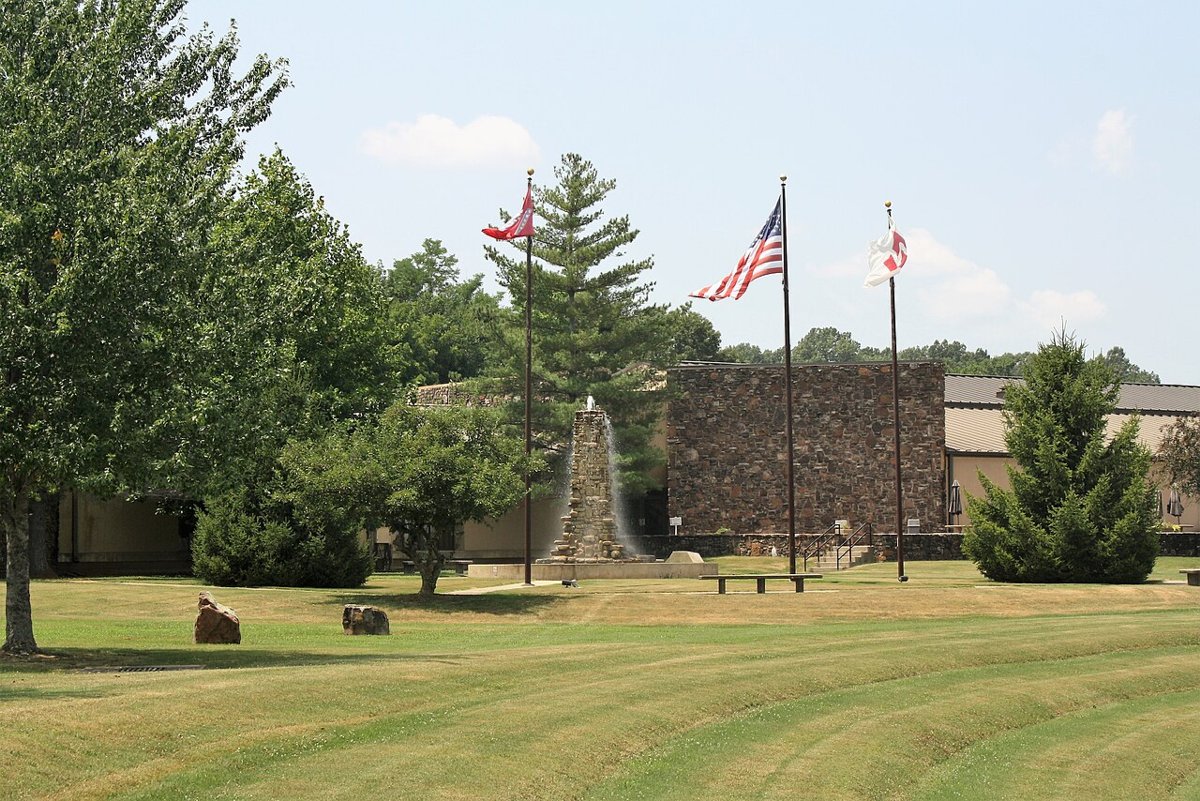
The small-town environment means limited nightlife and entertainment options. Students often head to nearby Buffalo National River for outdoor recreation or drive to larger towns for shopping and dining. With 63% female enrollment, the campus skews heavily toward women, particularly in nursing and allied health programs. The 109 student-athletes across 5 NCCAA sports provide some campus energy, though athletic events draw modest crowds.
Arkansas weather requires both winter coats for cold snaps and summer prep for humid heat reaching the 90s. The 11:1 student-faculty ratio creates close relationships with professors, but the 29% six-year graduation rate reflects the challenges many working adults face completing degrees while juggling jobs and family responsibilities.
- Setting
- Town-Remote
- Housing Capacity
- 64 beds
- Calendar System
- Semester
- Study Abroad
- Available
Campus Safety (2023)
No reported Clery Act crimes in 2023.
Climate & Weather
- January Avg
- 28°–46°F
- July Avg
- 68°–89°F
- Annual Precipitation
- 47.5"
- Annual Snowfall
- 9.5"
Student Demographics
- Men
- 36.7%
- Women
- 63.3%
- White
- 81.5%
- Black
- 1.7%
- Hispanic
- 9.2%
- Asian
- 0.5%
- In-State Students
- 88.7%
- Pell Grant Recipients
- 36.1%
Location
- Address
- Harrison, Arkansas 72601-5508
After College
Source: College Scorecard / U.S. Department of Education
- Median Earnings (10 years)
- $34,653
- Median Earnings (5 years)
- $40,397
- Mean Earnings (6 years after entry)
- $25,000
- Loan Repayment Rate
- 40.0%
- Monthly Loan Payment
- $95/mo
- Median Debt at Graduation
- $9,000
Frequently Asked Questions
What is the enrollment like at North Arkansas College?
North Arkansas College serves 1,184 students in the heart of the Arkansas Ozarks. The community college draws primarily local students, with 88.74% coming from in-state and women making up 63.34% of enrollment.
How much does North Arkansas College cost after financial aid?
Students pay an average net price of $10,146 annually at North Arkansas College. In-state tuition runs just $3,168, making it one of the most affordable options in Arkansas for workforce training and transfer programs.
What is the student-faculty ratio at North Arkansas College?
North Arkansas College maintains an 11:1 student-faculty ratio, providing personalized attention in its career-focused programs. The college emphasizes hands-on learning and workforce development for the surrounding rural region.
What are the job prospects after graduating from North Arkansas College?
Graduates achieve a 93.4% employment rate, reflecting the college's strong ties to local employers in the Ozarks. The median earnings of $34,653 after 10 years demonstrate solid returns for students entering skilled trades and healthcare fields.
Does North Arkansas College offer on-campus housing?
The college provides limited housing with a capacity of just 64 students, reflecting its role as a commuter campus. Most students live locally and attend part-time while working in the Harrison area.
What sports does North Arkansas College compete in?
The Pioneers field 5 varsity sports with 109 total athletes competing in the NCCAA. The athletic program awards $79,627 in scholarships, helping local students balance sports with their academic and career goals.
Similar Schools
National Park College
Hot Springs, Arkansas
Black River Technical College
Pocahontas, Arkansas
University of Arkansas for Medical Sciences
Little Rock, Arkansas

Henderson State University
Arkadelphia, Arkansas
University of Arkansas Community College-Batesville
Batesville, Arkansas

Cossatot Community College of the University of Arkansas
De Queen, Arkansas