About Ocean County College
The financial picture looks promising for students willing to put in the work. Students typically pay $10,576 after financial aid, while graduates earn a median of $45,210 ten years after starting college. Those who borrow graduate with just $11,150 in debt and make monthly payments of $118. The college keeps costs reasonable across all income levels, charging families earning under $30,000 just $9,184 net price annually.
Students compete as Vikings in 13 varsity sports with 156 total athletes, though the college offers no athletic scholarships. The student body is 56% women and reflects the area's demographics with 65% white students and 22% Hispanic students. With a 20:1 student-faculty ratio, classes stay small enough for personal attention. About 39% of students complete their programs within six years, and 91% find employment after graduation.
Academics & Faculty
Source: College Scorecard / U.S. Department of Education
- Student-to-Faculty Ratio
- 20:1
- Full-Time Faculty
- 100.0%
- Graduation Rate (6-year)
- 39.1%
- Median Earnings (10 years)
- $45,210
Popular Programs by Earnings
| Program | Level | Median Earnings |
|---|---|---|
| Registered Nursing, Nursing Administration, Nursing Research and Clinical Nursing. | Associate | $62,856 |
| Criminal Justice and Corrections. | Associate | $25,484 |
| Liberal Arts and Sciences, General Studies and Humanities. | Associate | $23,440 |
Campus Life
With 97.69% of students coming from in-state, most live within 30 minutes of campus and maintain jobs or family responsibilities alongside classes. The 20:1 student-to-faculty ratio means larger lecture halls for general education courses. Students often form study groups at the library between classes since many have gaps in their schedules. Weekends typically mean work shifts or family time rather than campus activities.
The Vikings compete in 13 sports with 156 total athletes, though athletic scholarships aren't offered. Social life happens more through academic clubs and workforce development programs than traditional college parties. Many students use OCC as an affordable stepping stone to four-year universities, while others pursue career certificates in high-demand fields like nursing and automotive technology.
- Setting
- Suburb-Large
- Calendar System
- Semester
- Study Abroad
- Available
Campus Safety (2023)
No reported Clery Act crimes in 2023.
Climate & Weather
- January Avg
- 21°–41°F
- July Avg
- 64°–85°F
- Annual Precipitation
- 52.0"
- Annual Snowfall
- 23.7"
Student Demographics
- Men
- 44.1%
- Women
- 55.9%
- White
- 64.5%
- Black
- 5.6%
- Hispanic
- 21.8%
- Asian
- 2.6%
- In-State Students
- 97.7%
- Pell Grant Recipients
- 26.5%
Location
- Address
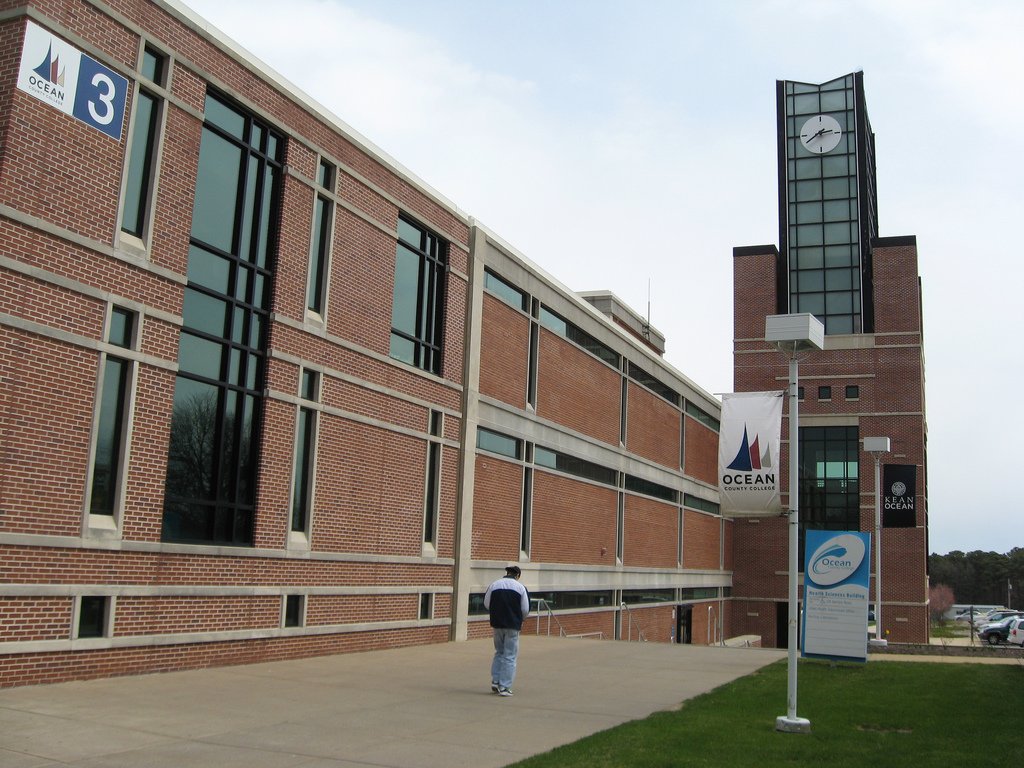
- Toms River, New Jersey 08754-2001
After College
Source: College Scorecard / U.S. Department of Education
- Median Earnings (10 years)
- $45,210
- Median Earnings (5 years)
- $46,410
- Mean Earnings (6 years after entry)
- $31,100
- Loan Repayment Rate
- 46.1%
- Monthly Loan Payment
- $118/mo
- Median Debt at Graduation
- $11,150
Frequently Asked Questions
What are the admission requirements at Ocean County College?
Ocean County College maintains an open admission policy typical of community colleges, welcoming students regardless of high school GPA or test scores. The college serves 5,566 students and focuses on providing accessible higher education to the local community. Nearly 98% of students come from within New Jersey, reflecting the college's mission to serve Ocean County residents.
How much does Ocean County College cost after financial aid?
Students pay an average net price of $10,576 annually after financial aid is applied. In-state tuition starts at just $4,690, making it one of the more affordable options in New Jersey. About 27% of students receive Pell Grants, and those who do borrow graduate with a median debt of only $11,150.
What academic programs is Ocean County College known for?
Ocean County College offers career-focused programs designed for both immediate employment and transfer to four-year universities. The college maintains a 20:1 student-faculty ratio across its programs. Students can choose from various associate degree and certificate programs that prepare them for the local job market or provide a foundation for bachelor's degree completion elsewhere.
What are the employment outcomes for Ocean County College graduates?
Graduates achieve a strong 91% employment rate after completing their programs. Those who enter the workforce earn a median salary of $45,210 ten years after graduation. The college's focus on career preparation helps students transition effectively into Ocean County's job market.
Where is Ocean County College located and what is campus life like?
The college sits in Toms River, New Jersey, serving the large suburban Ocean County area. With 156 student athletes competing in 13 varsity sports as the Vikings, the campus offers athletic opportunities through the NCCAA. The student body of 5,566 is 56% female and reflects the diversity of the surrounding community.
Does Ocean County College have a good graduation rate for a community college?
Ocean County College has a 39% six-year graduation rate, which reflects the reality that many community college students attend part-time or take breaks in their education. The college operates on a semester system and serves many working adults and students with family responsibilities. This graduation rate is typical for two-year institutions serving diverse student populations with varying educational goals.