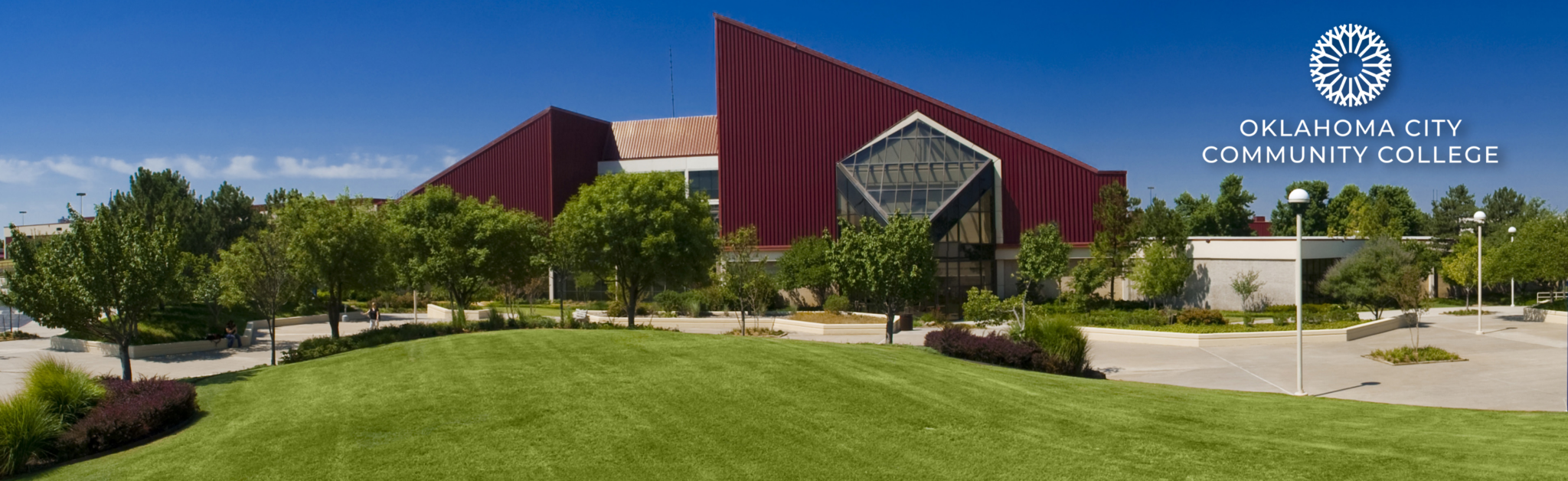
About Oklahoma City Community College
Students pay an average net price of $5,135 after financial aid, making this one of the more affordable pathways to higher education in Oklahoma. In-state tuition runs just $4,059 before aid kicks in. Graduates earn a median of $38,146 ten years after starting, which helps explain why typical student debt stays low at $10,388. Monthly loan payments average only $110 for those who borrow. The employment rate hits 92.8%, showing strong job market outcomes.
Women make up 64.21% of students, while the student body reflects Oklahoma City's diversity with significant Hispanic (23.56%) and Black (10.89%) populations. Nearly all students (92.02%) come from within Oklahoma. The graduation rate of 21.30% is typical for community colleges, where many students transfer before completing degrees or attend part-time while working.
Academics & Faculty
Source: College Scorecard / U.S. Department of Education
- Student-to-Faculty Ratio
- 21:1
- Full-Time Faculty
- 100.0%
- Graduation Rate (6-year)
- 21.3%
- Median Earnings (10 years)
- $38,146
Popular Programs by Earnings
| Program | Level | Median Earnings |
|---|---|---|
| Registered Nursing, Nursing Administration, Nursing Research and Clinical Nursing. | Associate | $56,320 |
| Vehicle Maintenance and Repair Technologies. | Associate | $55,964 |
| Rehabilitation and Therapeutic Professions. | Associate | $43,128 |
| Allied Health Diagnostic, Intervention, and Treatment Professions. | Associate | $42,961 |
| Business/Commerce, General. | Associate | $34,420 |
| Computer and Information Sciences, General. | Associate | $33,993 |
| Liberal Arts and Sciences, General Studies and Humanities. | Associate | $31,983 |
| Sociology. | Associate | $29,639 |
| Health and Medical Administrative Services. | Associate | $28,598 |
| Allied Health and Medical Assisting Services. | Associate | $26,353 |
Campus Life
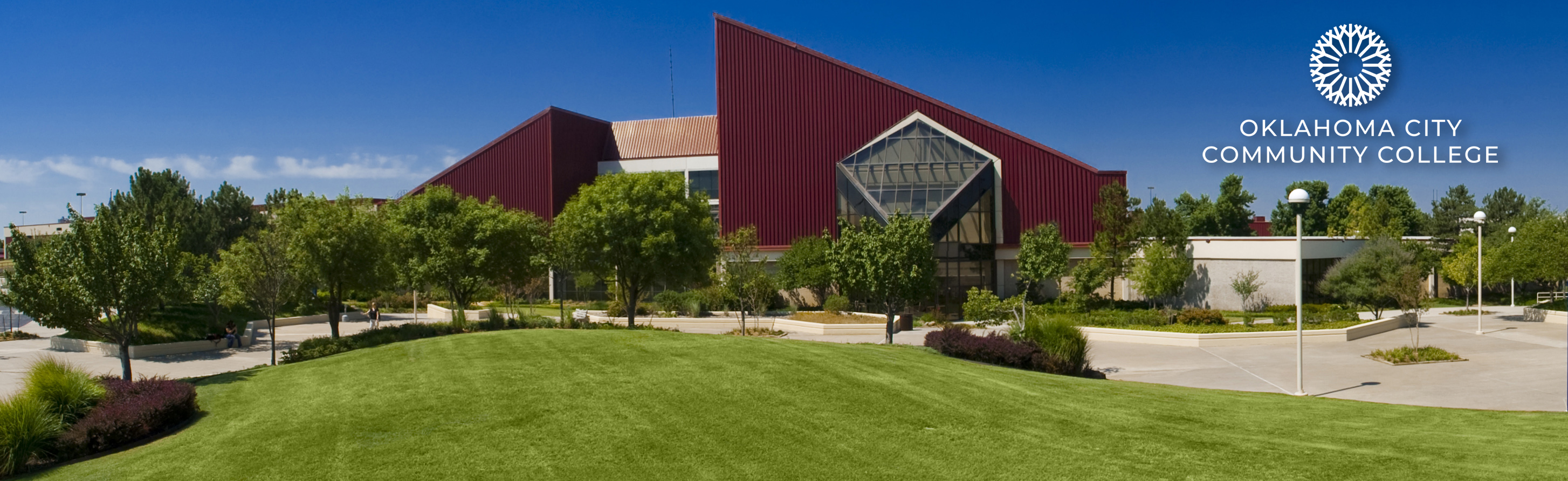
Students here are true commuters - there's no on-campus housing, so weekends often involve heading home or working part-time jobs. The Oklahoma climate means you'll need both sunscreen for scorching summers and a decent coat for occasional winter ice storms. With 92% of students coming from in-state, most are deeply rooted in the Oklahoma City metro area. The urban setting provides plenty of internship opportunities, especially in healthcare and business fields where OCCC has built strong industry connections. Campus life revolves around getting to class, utilizing the learning labs, and then heading out into the city.
- Setting
- City-Large
- Calendar System
- Semester
- Study Abroad
- Available
- Founded
- 1972
Campus Safety (2023)
8 total reported incidents. Source: Clery Act / U.S. Department of Education
| Offense | On Campus | Residential | Noncampus | Public Property |
|---|---|---|---|---|
| Stalking | 6 | 0 | 0 | 0 |
| Domestic Violence | 1 | 0 | 0 | 0 |
| Robbery | 0 | 0 | 0 | 1 |
Climate & Weather
- January Avg
- 28°–49°F
- July Avg
- 72°–93°F
- Annual Precipitation
- 74.1"
- Annual Snowfall
- -1,547.8"
Student Demographics
- Men
- 35.8%
- Women
- 64.2%
- White
- 41.9%
- Black
- 10.9%
- Hispanic
- 23.6%
- Asian
- 5.2%
- In-State Students
- 92.0%
- Pell Grant Recipients
- 27.8%
Location
- Address
- Oklahoma City, Oklahoma 73159-9987

After College
Source: College Scorecard / U.S. Department of Education
- Median Earnings (10 years)
- $38,146
- Median Earnings (5 years)
- $50,014
- Mean Earnings (6 years after entry)
- $30,800
- Loan Repayment Rate
- 40.2%
- Monthly Loan Payment
- $110/mo
- Median Debt at Graduation
- $10,388
Frequently Asked Questions
What is the acceptance rate at Oklahoma City Community College?
Oklahoma City Community College maintains an open enrollment policy typical of community colleges, meaning they accept all students who apply with a high school diploma or equivalent. The college serves 9,578 students and focuses on providing accessible education to the Oklahoma City metro area. About 92% of students come from in-state, reflecting the school's role as a local educational resource.
How much does Oklahoma City Community College cost after financial aid?
The average net price at Oklahoma City Community College is $5,135 per year, making it an affordable option for higher education. In-state tuition runs $4,059 while out-of-state students pay $9,810. Students from families earning under $30,000 pay an average net price of just $4,481 after aid.
What academic programs is Oklahoma City Community College known for?
Oklahoma City Community College offers career-focused programs designed to get students into the workforce quickly. The student-faculty ratio of 21:1 provides reasonable access to instructors across their technical and transfer programs. The college operates on a semester system and emphasizes practical skills training alongside traditional academic coursework.
What are the job prospects after graduating from Oklahoma City Community College?
Graduates achieve a strong 92.8% employment rate, demonstrating the college's effectiveness in workforce preparation. The median earnings one year after graduation reach $44,389, which is competitive for a two-year degree. However, the six-year graduation rate of 21.3% reflects the challenges many community college students face in completing their programs.
Where is Oklahoma City Community College located and what is campus life like?
The college sits in Oklahoma City, giving students access to internships and job opportunities in Oklahoma's largest metropolitan area. With 64% of students being women and a diverse student body that includes 24% Hispanic and 11% Black students, the campus reflects the changing demographics of urban Oklahoma. The large city setting provides cultural amenities and professional networking opportunities beyond the classroom.
How manageable is student debt at Oklahoma City Community College?
Students graduate with a median debt of just $10,388, lower than four-year institutions. Monthly loan payments average only $110, making repayment more manageable for graduates entering the workforce. Only 11.88% of students take out federal loans, indicating that many can afford the education without borrowing heavily.