

About Quincy College
The financial picture tells an interesting story. Students pay an average net price of $14,317, which stays roughly the same regardless of family income. Only 33.78% receive financial aid, suggesting many students can afford the costs without heavy borrowing. Those who do borrow graduate with a median debt of $13,874, much lower than typical college debt. Ten years after starting, graduates earn a median of $52,506, which makes the monthly loan payment of $147 quite manageable.
The graduation rates reveal this school's real purpose. Only 16.60% of students graduate within six years, but that doesn't mean the school is failing. Many community college students attend part-time, transfer to four-year schools, or complete certificate programs rather than degrees. With an 85.3% employment rate, students clearly find work after their time here.
Academics & Faculty
Source: College Scorecard / U.S. Department of Education
- Student-to-Faculty Ratio
- 18:1
- Full-Time Faculty
- 88.9%
- Graduation Rate (4-year)
- 16.3%
- Graduation Rate (6-year)
- 16.6%
- Retention Rate
- 87.5%
- Median Earnings (10 years)
- $52,506
Popular Programs by Earnings
| Program | Level | Median Earnings |
|---|---|---|
| Registered Nursing, Nursing Administration, Nursing Research and Clinical Nursing. | Associate | $59,640 |
| Practical Nursing, Vocational Nursing and Nursing Assistants. | Certificate | $53,984 |
| Clinical/Medical Laboratory Science/Research and Allied Professions. | Associate | $52,107 |
| Criminal Justice and Corrections. | Associate | $39,369 |
| Business Administration, Management and Operations. | Associate | $36,674 |
| Liberal Arts and Sciences, General Studies and Humanities. | Associate | $27,822 |
Campus Life
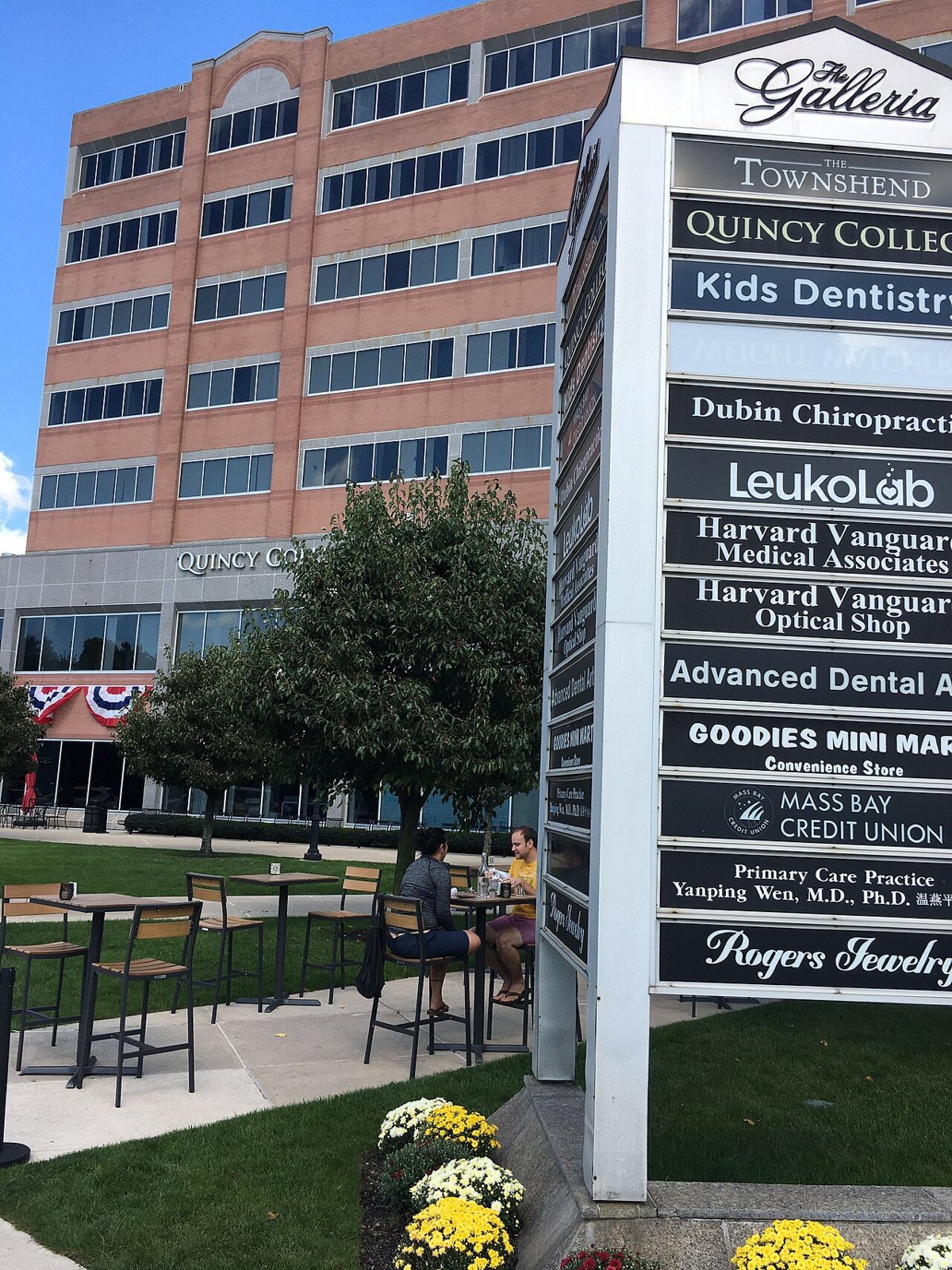
Winter means real snow and temperatures that drop into the 20s, so you'll need a good coat from December through March. The campus itself feels more like a large high school than a traditional college, with students grabbing coffee between classes and studying in small groups. With only 30 total athletes across 2 varsity sports, this isn't a school where sports dominate weekend plans. Instead, students often work part-time jobs or explore nearby Quincy Center and Boston. The 87.50% retention rate suggests students generally like the close-to-home experience, even though many transfer to four-year schools after completing their associate degrees here.
- Setting
- Suburb-Large
- Calendar System
- Semester
Campus Safety (2023)
1 total reported incident. Source: Clery Act / U.S. Department of Education
| Offense | On Campus | Residential | Noncampus | Public Property |
|---|---|---|---|---|
| Stalking | 1 | 0 | 0 | 0 |
Climate & Weather
- January Avg
- 21°–37°F
- July Avg
- 63°–83°F
- Annual Precipitation
- 52.3"
- Annual Snowfall
- 50.9"
Student Demographics
- Men
- 41.4%
- Women
- 58.7%
- White
- 43.5%
- Black
- 22.0%
- Hispanic
- 10.5%
- Asian
- 6.8%
- In-State Students
- 98.9%
- Pell Grant Recipients
- 33.8%
Location
- Address
- Quincy, Massachusetts 02169
After College
Source: College Scorecard / U.S. Department of Education
- Median Earnings (10 years)
- $52,506
- Median Earnings (5 years)
- $60,318
- Mean Earnings (6 years after entry)
- $40,000
- Loan Repayment Rate
- 45.9%
- Monthly Loan Payment
- $147/mo
- Median Debt at Graduation
- $13,874
Frequently Asked Questions
What are the admission requirements at Quincy College?
Quincy College maintains an open enrollment policy as a community college, welcoming students regardless of academic background. The school serves 2,126 students with a strong retention rate of 87.50%, indicating most students who start here continue their education. Nearly 99% of students come from Massachusetts, making it a true local institution.
How much does Quincy College cost after financial aid?
Students pay an average net price of $14,317 annually, with both in-state and out-of-state tuition set at $7,536. About 34% of students receive Pell Grants, and graduates typically leave with a median debt of just $13,874. Low-income families earning under $30,000 pay around $12,687 after aid.
What is the student-faculty ratio at Quincy College?
Classes average 18 students per faculty member, providing reasonable access to instructors. The college operates on a semester system and focuses on practical career preparation. Only 6% of students receive institutional grants averaging $3,469, reflecting the school's already affordable tuition structure.
What are the graduation rates at Quincy College?
The four-year graduation rate stands at 16.26%, while the six-year rate reaches 16.60%. These numbers reflect the community college mission of serving working adults and part-time students who often take longer to complete degrees. The employment rate of 85.3% shows most graduates find work successfully.
Where is Quincy College located and what is campus life like?
The campus sits in Quincy, Massachusetts, a large suburban community just south of Boston. With 58.65% women and 41.35% men, the student body reflects diverse backgrounds including 43% White, 22% Black, and 10% Hispanic students. The Granite athletic teams compete in just two NCCAA sports with only 30 total athletes.
How much do Quincy College graduates earn after graduation?
Graduates earn a median of $35,792 one year after graduation, climbing to $52,506 after ten years. Monthly loan payments average just $147, making the debt manageable on typical graduate salaries. The school serves as an affordable pathway to career advancement for working-class families in the Boston area.
Similar Schools

Cape Cod Community College
West Barnstable, Massachusetts

Greenfield Community College
Greenfield, Massachusetts
Holyoke Community College
Holyoke, Massachusetts

Framingham State University
Framingham, Massachusetts

Berkshire Community College
Pittsfield, Massachusetts

Fitchburg State University
Fitchburg, Massachusetts