
About Rhode Island College
Students pay an average net price of $10,988 after financial aid, making this one of the most affordable four-year options in New England. Graduates earn a median of $56,318 ten years after graduation, while carrying typical debt loads of $20,500. The monthly loan payment of $217 represents a manageable burden given the earning potential. Over 41% of students receive Pell Grants, reflecting the college's mission to serve working-class families.
The student body is 69% female, reflecting the college's strength in education and social work fields traditionally dominated by women. The campus houses only 840 students in residence halls, so most students commute from nearby communities. With a 14:1 student-faculty ratio, classes remain small despite the college's full university status.
Academics & Faculty
Source: College Scorecard / U.S. Department of Education
- Student-to-Faculty Ratio
- 14:1
- Full-Time Faculty
- 97.9%
- Graduation Rate (4-year)
- 45.0%
- Graduation Rate (6-year)
- 46.2%
- Retention Rate
- 73.7%
- Median Earnings (10 years)
- $56,318
- Carnegie Classification
- Master's University (Large)
Popular Programs by Earnings
| Program | Level | Median Earnings |
|---|---|---|
| Registered Nursing, Nursing Administration, Nursing Research and Clinical Nursing. | Master | $104,192 |
| Educational Administration and Supervision. | Master | $71,575 |
| Computer and Information Sciences, General. | Bachelor | $65,797 |
| Registered Nursing, Nursing Administration, Nursing Research and Clinical Nursing. | Bachelor | $65,610 |
| Accounting and Related Services. | Master | $65,387 |
| Teacher Education and Professional Development, Specific Subject Areas. | Master | $56,641 |
| Clinical, Counseling and Applied Psychology. | Certificate | $54,748 |
| Allied Health Diagnostic, Intervention, and Treatment Professions. | Bachelor | $53,775 |
| Special Education and Teaching. | Master | $52,941 |
| Finance and Financial Management Services. | Bachelor | $52,607 |
Campus Life
The campus buzzes during weekdays but empties on weekends as commuter students head home. With 69.22% women, the student body skews female, reflecting the school's strength in education programs. Many students work part-time jobs to help pay for college, as 41.47% receive Pell Grants. The Anchormen compete in 21 Division III sports, though with no athletic scholarships, games draw modest crowds. Students often hang out in Providence's Federal Hill or Thayer Street areas when they stay for weekends. The diverse student body includes 26.18% Hispanic students and serves many first-generation college students navigating higher education.
- Setting
- Suburb-Large
- Housing Capacity
- 840 beds
- Calendar System
- Semester
- Study Abroad
- Available
- Founded
- 1854
Campus Safety (2023)
21 total reported incidents. Source: Clery Act / U.S. Department of Education
| Offense | On Campus | Residential | Noncampus | Public Property |
|---|---|---|---|---|
| Stalking | 3 | 3 | 0 | 0 |
| Aggravated Assault | 4 | 0 | 0 | 0 |
| Rape | 2 | 2 | 0 | 0 |
| Motor Vehicle Theft | 3 | 0 | 0 | 0 |
| Burglary | 1 | 1 | 0 | 0 |
| Dating Violence | 1 | 1 | 0 | 0 |
Climate & Weather
- January Avg
- 22°–38°F
- July Avg
- 65°–83°F
- Annual Precipitation
- 47.5"
- Annual Snowfall
- 36.6"
Student Demographics
- Men
- 30.8%
- Women
- 69.2%
- White
- 48.8%
- Black
- 11.7%
- Hispanic
- 26.2%
- Asian
- 3.4%
- In-State Students
- 84.7%
- Pell Grant Recipients
- 41.5%
Location
- Address
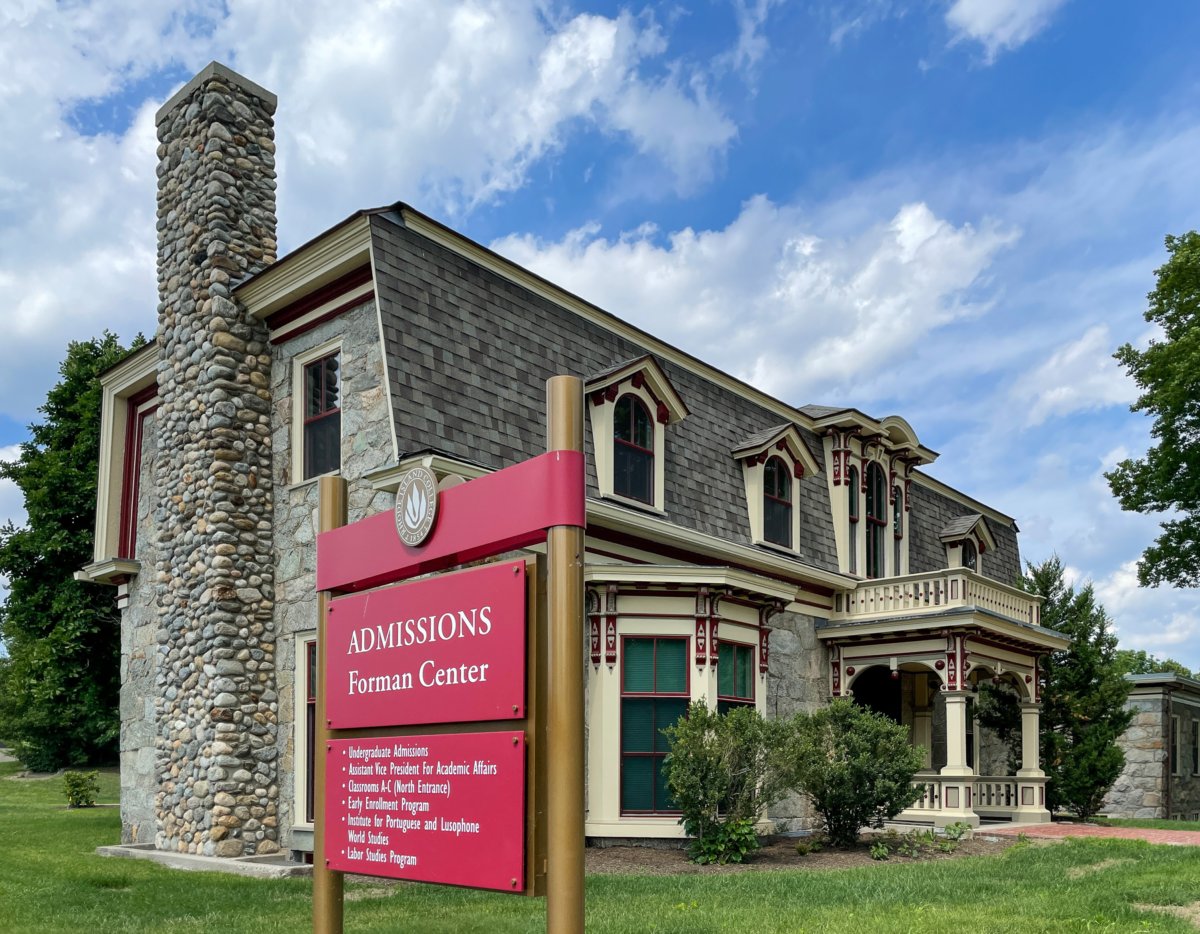
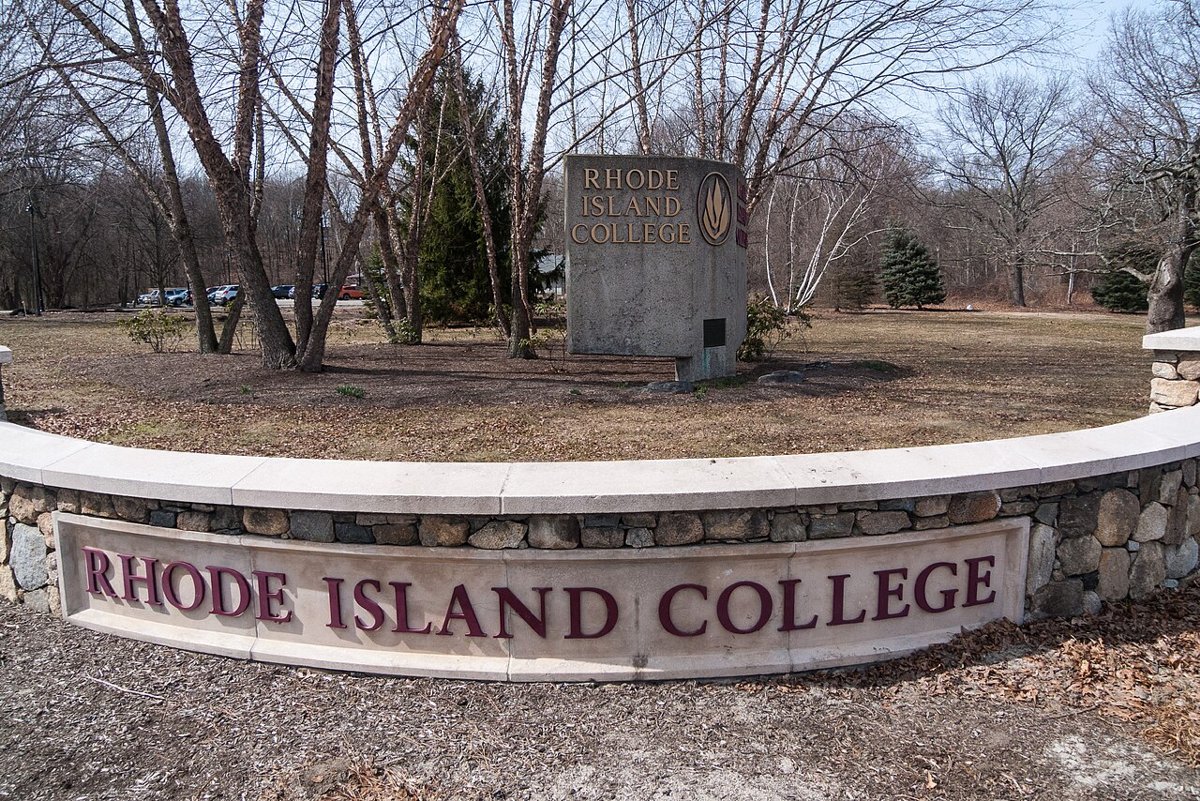
- Providence, Rhode Island 02908
After College
Source: College Scorecard / U.S. Department of Education
- Median Earnings (10 years)
- $56,318
- Median Earnings (5 years)
- $57,191
- Mean Earnings (6 years after entry)
- $35,900
- Loan Repayment Rate
- 59.9%
- Monthly Loan Payment
- $217/mo
- Median Debt at Graduation
- $20,500
Frequently Asked Questions
What is the acceptance rate at Rhode Island College?
Rhode Island College accepts 87.53% of applicants with an average SAT score of 990. The school serves as an accessible pathway to higher education for Rhode Island residents, with 84.74% of students coming from in-state.
How much does Rhode Island College cost after financial aid?
The average net price is $10,988, making it one of the most affordable college options in New England. Students from families earning under $30,000 pay just $7,674 after aid, while 41.47% of students receive Pell Grants for low-income families.
What academic programs is Rhode Island College known for?
Rhode Island College has built its reputation around strong education programs that prepare teachers for the state's schools. The 14:1 student-faculty ratio provides personalized attention, particularly valuable for the many first-generation college students who make up a significant portion of the 4,630 enrolled students.
What are the graduation and employment outcomes at Rhode Island College?
The six-year graduation rate stands at 46.20%, with graduates earning a median salary of $56,318 ten years after graduation. The employment rate reaches 96.1%, reflecting the practical, career-focused education the college provides.
Where is Rhode Island College located and what is campus life like?
The campus sits in suburban Providence with housing for 840 students out of the total enrollment of 4,630. The Anchormen compete in 21 NCAA Division III sports with 323 total athletes, creating a close-knit athletic community without the pressure of athletic scholarships.
Does Rhode Island College serve a diverse student population?
The student body is 69.22% women and reflects Rhode Island's changing demographics with 48.81% White, 26.18% Hispanic, and 11.68% Black students. As a public comprehensive university founded in 1854, it has evolved to serve the state's increasingly diverse population while maintaining its mission of educational access.
Similar Schools

Framingham State University
Framingham, Massachusetts

Worcester State University
Worcester, Massachusetts

Columbus State University
Columbus, Georgia

Shippensburg University of Pennsylvania
Shippensburg, Pennsylvania

Frostburg State University
Frostburg, Maryland

Southern Oregon University
Ashland, Oregon