

About Riverland Community College
The financial picture looks manageable for most families. Students pay an average net price of $8,463 after aid, with lower-income families paying around $7,012. Graduates earn a median of $45,247 ten years after starting, making the typical debt load of $12,000 very reasonable. Monthly loan payments average just $127. The employment rate of 93.7% shows that students find work after completing their programs.
The Blue Devils field five varsity sports with 80 total athletes, creating a small but spirited campus atmosphere. Women make up 53% of the student body, and the campus reflects Minnesota's changing demographics with 19% Hispanic students and 8% Black students. The 20:1 student-faculty ratio means professors know their students by name, not just ID number.
Academics & Faculty
Source: College Scorecard / U.S. Department of Education
- Student-to-Faculty Ratio
- 20:1
- Full-Time Faculty
- 51.2%
- Graduation Rate (6-year)
- 53.0%
- Median Earnings (10 years)
- $45,247
Campus Life
Most students commute from the surrounding area, with 90.93% coming from in-state. The Blue Devils compete in five NCCAA sports with 80 total athletes, creating a tight-knit athletic community even without scholarship funding. Weekends often revolve around Austin's connection to the Hormel Foods headquarters, giving the town an industrial backbone that provides internship opportunities. The 93.7% employment rate reflects strong ties to local agriculture and food processing industries. Students typically balance classes with part-time work, taking advantage of the $6,250 tuition rate that keeps debt manageable. The median debt of $12,000 makes this an affordable pathway to career training or transfer preparation.
- Setting
- Town-Distant
- Calendar System
- Semester
- Founded
- 1940
Campus Safety (2023)
4 total reported incidents. Source: Clery Act / U.S. Department of Education
| Offense | On Campus | Residential | Noncampus | Public Property |
|---|---|---|---|---|
| Dating Violence | 1 | 1 | 0 | 0 |
| Burglary | 1 | 0 | 0 | 0 |
| Motor Vehicle Theft | 1 | 0 | 0 | 0 |
Climate & Weather
- January Avg
- 4°–22°F
- July Avg
- 60°–80°F
- Annual Precipitation
- 34.6"
- Annual Snowfall
- 0.0"
Student Demographics
- Men
- 47.1%
- Women
- 52.9%
- White
- 60.6%
- Black
- 8.2%
- Hispanic
- 19.2%
- Asian
- 4.4%
- In-State Students
- 90.9%
- Pell Grant Recipients
- 26.5%
Location
- Address
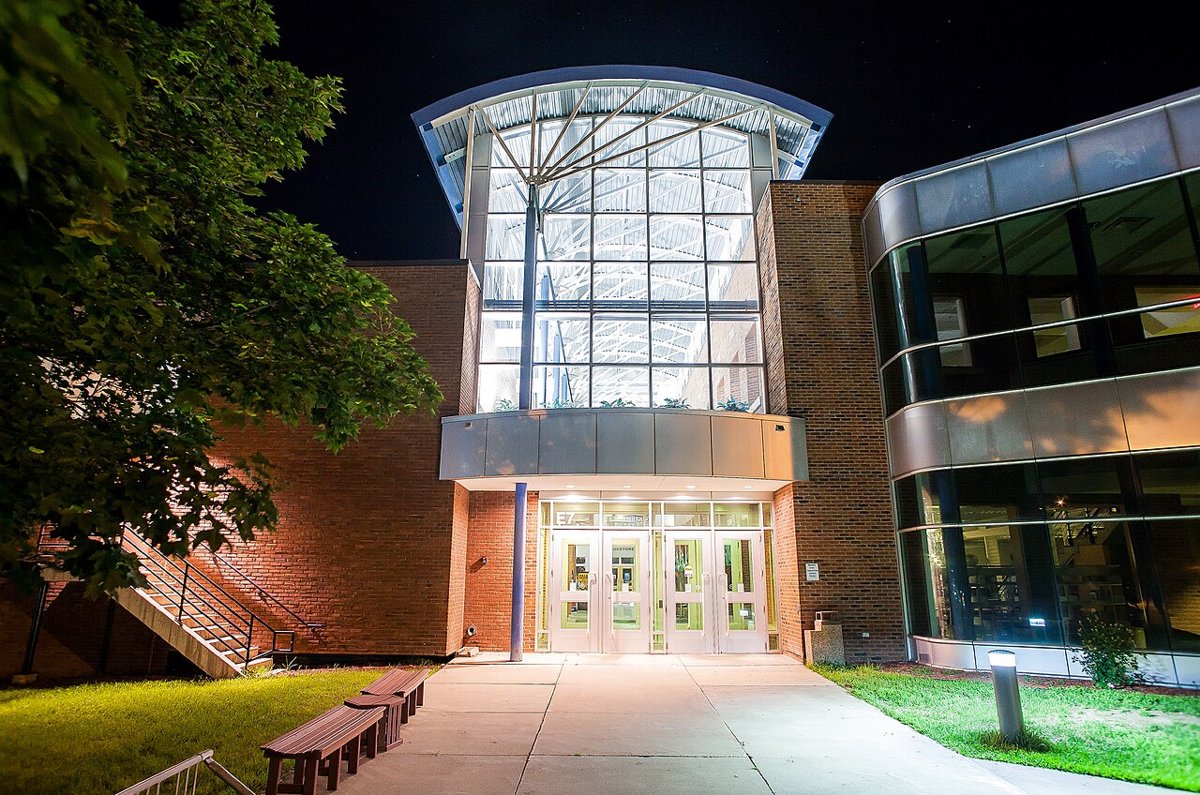
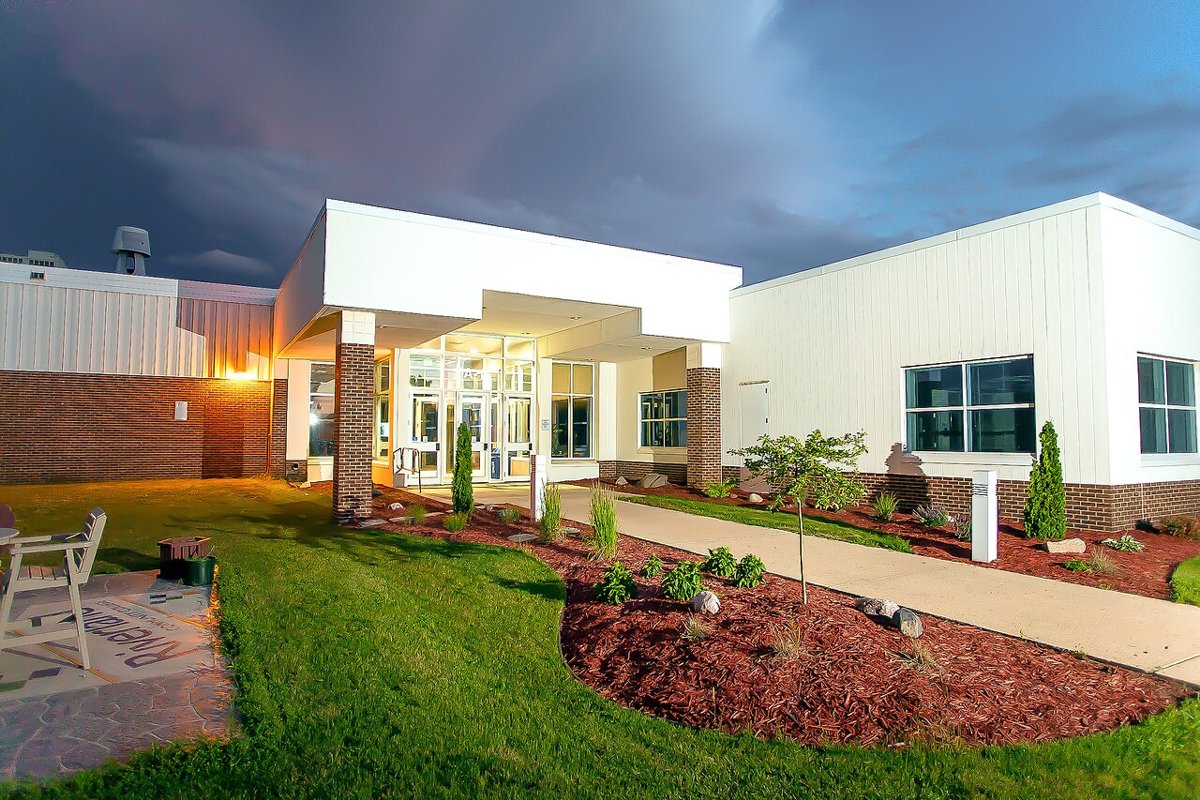
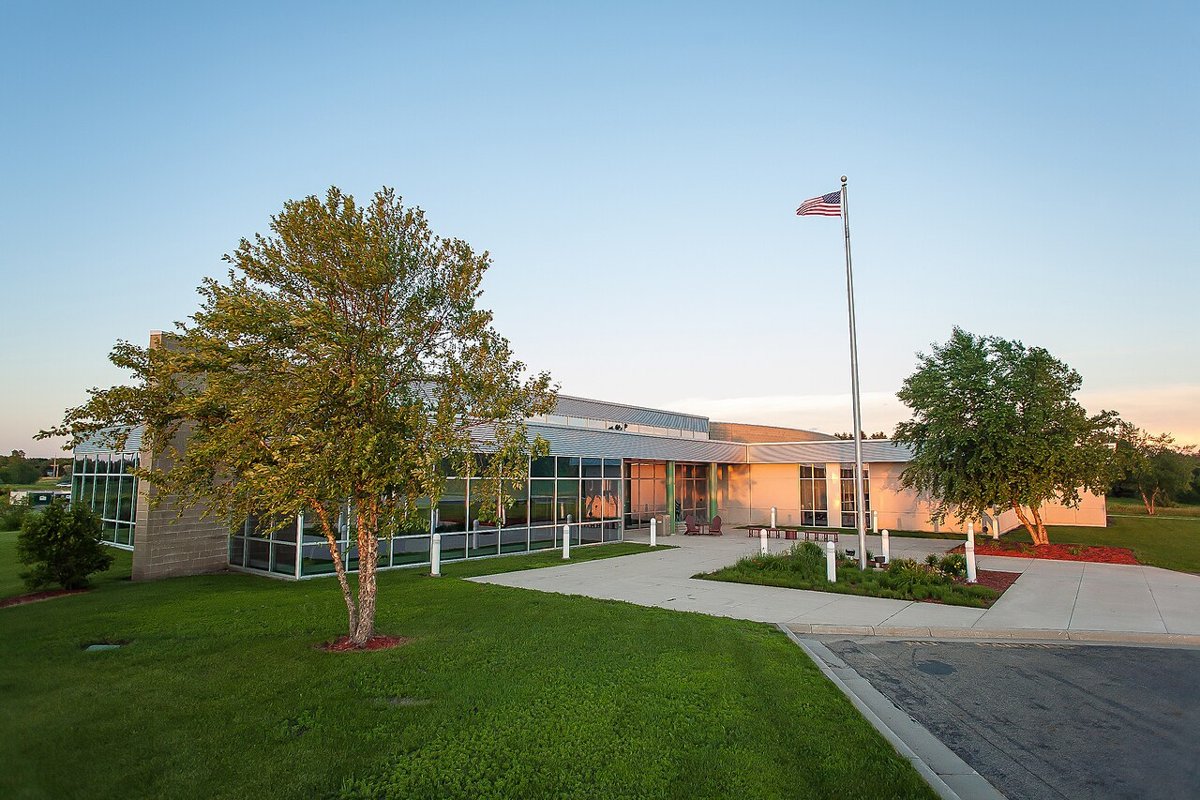
- Austin, Minnesota 55912-1473
After College
Source: College Scorecard / U.S. Department of Education
- Median Earnings (10 years)
- $45,247
- Mean Earnings (6 years after entry)
- $32,200
- Loan Repayment Rate
- 47.3%
- Monthly Loan Payment
- $127/mo
- Median Debt at Graduation
- $12,000
Frequently Asked Questions
What are the admission requirements at Riverland Community College?
Riverland Community College maintains open admission policies typical of community colleges, welcoming students regardless of high school performance. The college serves 1,895 students primarily from Minnesota, with 90.93% coming from in-state. This accessibility makes Riverland a popular entry point for students beginning their higher education journey or seeking career training.
How much does Riverland Community College cost after financial aid?
Students at Riverland pay an average net price of $8,463 annually, with tuition set at $6,250 for both in-state and out-of-state students. About 26.49% of students receive Pell Grants, and graduates typically leave with a manageable $12,000 in debt. The low cost structure reflects the college's mission to provide affordable workforce training in southern Minnesota.
What is the student-faculty ratio at Riverland Community College?
Riverland maintains a 20:1 student-faculty ratio, which is typical for community colleges focused on practical career preparation. The college emphasizes hands-on learning and workforce development rather than traditional liberal arts education. Classes tend to be structured around preparing students for immediate employment or transfer to four-year institutions.
What are the employment outcomes for Riverland Community College graduates?
Riverland boasts a strong 93.7% employment rate for graduates, reflecting its focus on career-oriented programs. Graduates earn a median of $45,247 ten years after enrollment, which is solid for a two-year degree. The college's location in Austin, Minnesota provides access to healthcare, manufacturing, and agricultural employment opportunities in the region.
What is campus life like at Riverland Community College?
Campus life centers around academics and career preparation rather than traditional college social activities, with just 80 total athletes across 5 varsity sports. The student body of 1,895 is 52.93% female and reflects southern Minnesota's diversity with 60.63% white students and growing Hispanic enrollment at 19.16%. Most students commute and focus on completing programs quickly to enter the workforce.
What makes Riverland Community College unique compared to other community colleges?
Riverland stands out for its identical in-state and out-of-state tuition of $6,250, making it accessible to students from neighboring states. Founded in 1940, the college has deep roots in serving Austin and surrounding rural communities through agricultural and technical programs. The Blue Devils compete in NCCAA athletics, providing a small-college athletic experience unusual for community colleges.
Similar Schools

Central Lakes College-Brainerd
Brainerd, Minnesota

Anoka Technical College
Anoka, Minnesota

Lake Superior College
Duluth, Minnesota

Minnesota West Community and Technical College
Granite Falls, Minnesota

Dakota County Technical College
Rosemount, Minnesota

Alexandria Technical & Community College
Alexandria, Minnesota