About Rockland Community College
The financial picture looks manageable for most families. Students from households earning under $30,000 pay just $6,283 after aid, while even those from higher-income families face reasonable costs. Graduates earn a median of $50,243 ten years out, which comfortably covers the typical debt load of $8,497. Monthly loan payments average only $90, making this one of the more affordable paths to higher education in the region.
The student body reflects the area's diversity, with 35% Hispanic students, 28% white students, and 20% Black students creating a multicultural learning environment. The Fighting Hawks compete in six NAIA sports with 80 total athletes, though the college offers no athletic scholarships. With an 88% employment rate after graduation, RCC delivers on its promise of job-ready training for the Hudson Valley workforce.
Academics & Faculty
Source: College Scorecard / U.S. Department of Education
- Student-to-Faculty Ratio
- 20:1
- Full-Time Faculty
- 24.1%
- Graduation Rate (6-year)
- 29.3%
- Median Earnings (10 years)
- $50,243
Popular Programs by Earnings
| Program | Level | Median Earnings |
|---|---|---|
| Registered Nursing, Nursing Administration, Nursing Research and Clinical Nursing. | Associate | $67,101 |
| Allied Health and Medical Assisting Services. | Associate | $44,572 |
| Criminal Justice and Corrections. | Associate | $41,937 |
| Liberal Arts and Sciences, General Studies and Humanities. | Associate | $23,768 |
Campus Life
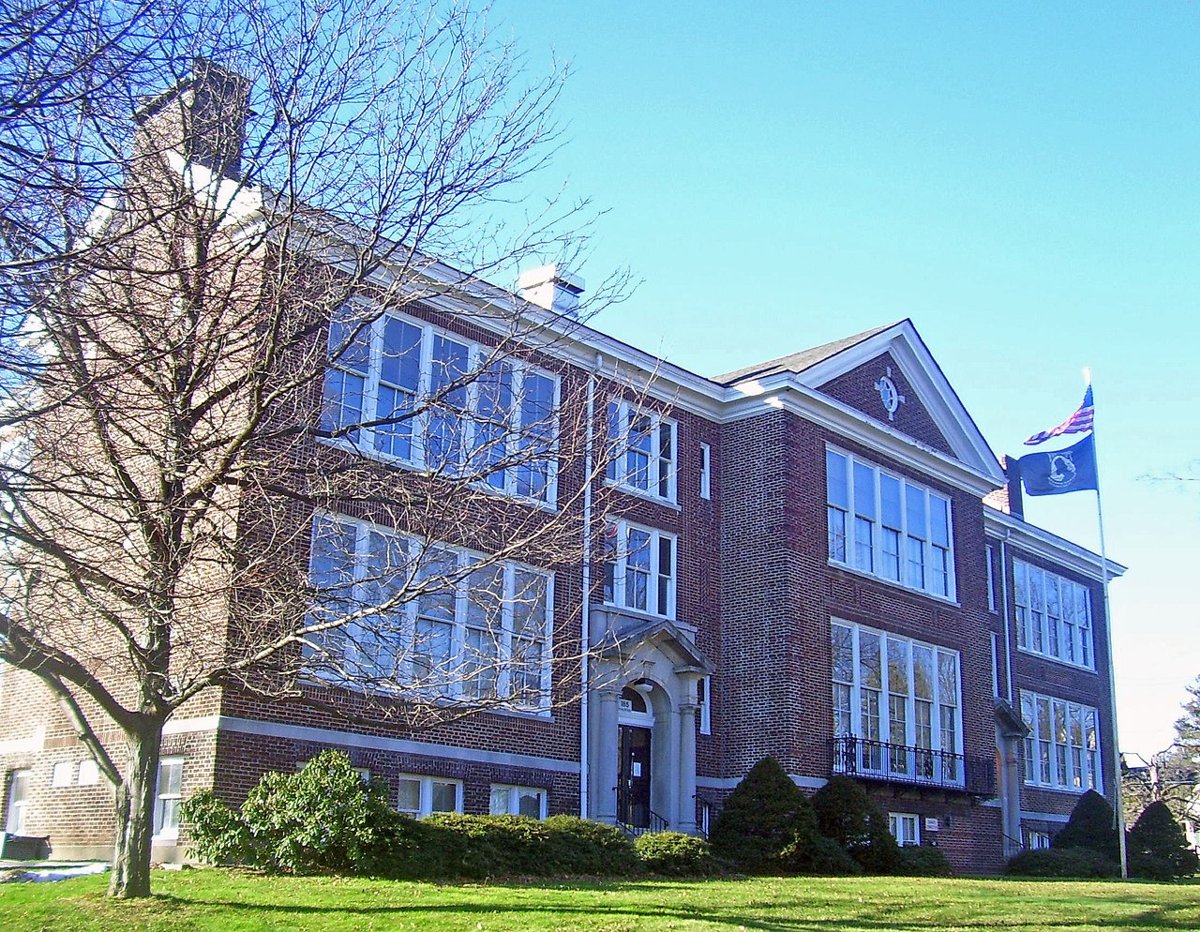
The student body of 4,180 reflects the region's diversity, with 35% Hispanic students and 20% Black students creating a multicultural environment. Class sizes stay manageable with a 20:1 student-faculty ratio. Students often work part-time jobs since only 26% receive Pell Grants, and many balance family responsibilities with their studies.
Weekends bring a quieter campus as commuter students head home or work. The Fighting Hawks compete in six NAIA sports with 80 total athletes, though without athletic scholarships. Many students use RCC as an affordable stepping stone, paying $6,398 in-state tuition before transferring to four-year schools. The college's strong ties to local employers help graduates find work quickly, with an 88% employment rate after graduation.
- Setting
- Suburb-Large
- Calendar System
- Semester
- Study Abroad
- Available
- Founded
- 1959
Campus Safety (2023)
No reported Clery Act crimes in 2023.
Climate & Weather
- January Avg
- 18°–36°F
- July Avg
- 63°–83°F
- Annual Precipitation
- 50.3"
- Annual Snowfall
- 0.0"
Student Demographics
- Men
- 46.1%
- Women
- 53.9%
- White
- 27.0%
- Black
- 19.7%
- Hispanic
- 34.7%
- Asian
- 5.1%
- In-State Students
- 98.1%
- Pell Grant Recipients
- 26.1%
Location
- Address
- Suffern, New York 10901-3699
After College
Source: College Scorecard / U.S. Department of Education
- Median Earnings (10 years)
- $50,243
- Median Earnings (5 years)
- $49,094
- Mean Earnings (6 years after entry)
- $32,300
- Loan Repayment Rate
- 41.5%
- Monthly Loan Payment
- $90/mo
- Median Debt at Graduation
- $8,497
Frequently Asked Questions
What are the admission requirements at Rockland Community College?
Rockland Community College has an open admission policy typical of community colleges, welcoming students with a high school diploma or equivalent. The college serves 4,180 students with 98.14% coming from New York state. This accessibility makes it a popular choice for local students seeking affordable higher education in the Hudson Valley region.
How much does Rockland Community College cost after financial aid?
Students pay an average net price of $8,508 after aid, with in-state tuition at $6,398. Only 26.06% of students receive federal financial aid, suggesting many families can afford the relatively low sticker price. Low-income families earning under $30,000 pay just $6,283 net price, making education accessible to the surrounding communities.
What is the student-faculty ratio at Rockland Community College?
The student-faculty ratio stands at 20:1, which is typical for community colleges but higher than most four-year institutions. Classes tend to be practical and career-focused rather than research-intensive. The college operates on a semester system and emphasizes transfer preparation and workforce training for the Hudson Valley region.
What are the career outcomes for Rockland Community College graduates?
Graduates earn a median of $50,243 ten years after enrollment, with an 88.2% employment rate. The graduation rate of 29.30% reflects the community college reality where many students transfer before completing their associate degree. Those who do graduate typically carry modest debt loads of $8,497 with manageable monthly payments of $90.
What is the campus diversity like at Rockland Community College?
The student body reflects the Hudson Valley's growing diversity, with 34.67% Hispanic students, 27.01% White students, and 19.67% Black students. Women make up 53.90% of enrollment while men represent 46.10%. This demographic mix creates a multicultural learning environment that prepares students for an increasingly diverse workforce.
Does Rockland Community College have athletics programs?
The Fighting Hawks compete in NAIA athletics with 6 varsity sports programs and 80 total athletes. The college offers no athletic scholarships, keeping sports as a student development activity rather than a recruitment tool. This approach aligns with the community college mission of serving local students regardless of athletic ability.