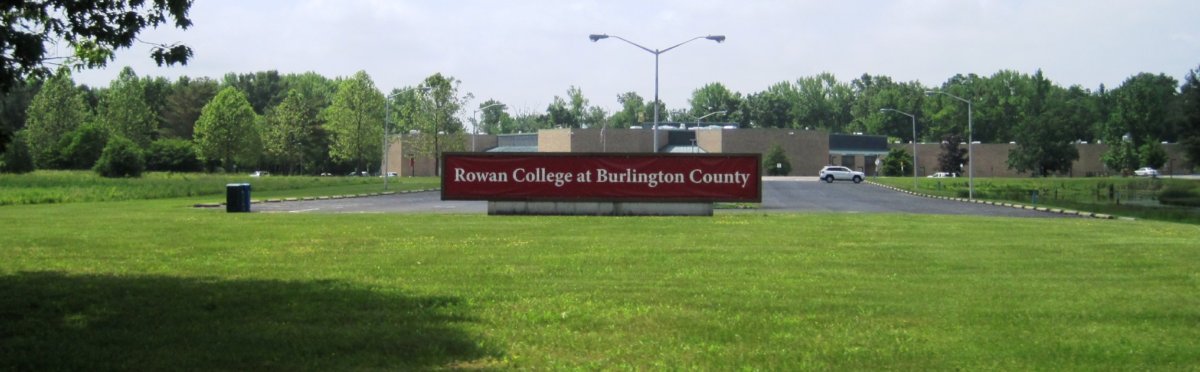
About Rowan College at Burlington County
Students pay an average net price of $6,101 after financial aid, making it one of the more affordable college options in New Jersey. In-state tuition runs $4,968, while graduates typically earn $44,745 ten years after starting college. Students graduate with a median debt of just $10,500, leading to manageable monthly loan payments of $111. The employment rate hits 91.7%, showing that graduates find work relatively quickly after completing their programs.
Women make up 60% of the student body, with a diverse mix that reflects South Jersey's demographics. The 21:1 student-faculty ratio means larger class sizes than at many four-year colleges. The 37.9% six-year graduation rate reflects the reality that many community college students attend part-time while working or transfer before completing their associate degrees here.
Academics & Faculty
Source: College Scorecard / U.S. Department of Education
- Student-to-Faculty Ratio
- 21:1
- Full-Time Faculty
- 100.0%
- Graduation Rate (6-year)
- 37.9%
- Median Earnings (10 years)
- $44,745
Popular Programs by Earnings
| Program | Level | Median Earnings |
|---|---|---|
| Registered Nursing, Nursing Administration, Nursing Research and Clinical Nursing. | Associate | $62,632 |
| Allied Health Diagnostic, Intervention, and Treatment Professions. | Associate | $53,775 |
| Dental Support Services and Allied Professions. | Associate | $53,108 |
| Legal Support Services. | Associate | $33,993 |
| Criminal Justice and Corrections. | Associate | $27,150 |
| Liberal Arts and Sciences, General Studies and Humanities. | Associate | $26,048 |
Campus Life
Most students commute to the Mount Laurel campus since housing isn't available. Weekend activities often happen off-campus in the greater Philadelphia area or at home with family. New Jersey's four-season climate means packing both winter coats for snowy January mornings and lighter clothes for humid summer sessions. The 6,174 students represent a diverse mix, with 60.07% women and significant Black and Hispanic populations reflecting South Jersey demographics. Many students work part-time jobs while attending classes. The campus serves as an academic stepping stone rather than a traditional college social center, with students focused on completing prerequisites for transfer or earning career credentials before entering the workforce.
- Setting
- Suburb-Large
- Calendar System
- Semester
- Study Abroad
- Available
- Founded
- 1966
Campus Safety (2023)
6 total reported incidents. Source: Clery Act / U.S. Department of Education
| Offense | On Campus | Residential | Noncampus | Public Property |
|---|---|---|---|---|
| Aggravated Assault | 0 | 0 | 0 | 3 |
| Domestic Violence | 2 | 0 | 0 | 0 |
| Motor Vehicle Theft | 0 | 0 | 0 | 1 |
Climate & Weather
- January Avg
- 22°–42°F
- July Avg
- 63°–89°F
- Annual Precipitation
- 48.2"
- Annual Snowfall
- 1.9"
Student Demographics
- Men
- 39.9%
- Women
- 60.1%
- White
- 50.3%
- Black
- 19.2%
- Hispanic
- 16.8%
- Asian
- 5.2%
- In-State Students
- 98.7%
- Pell Grant Recipients
- 28.6%
Location
- Address
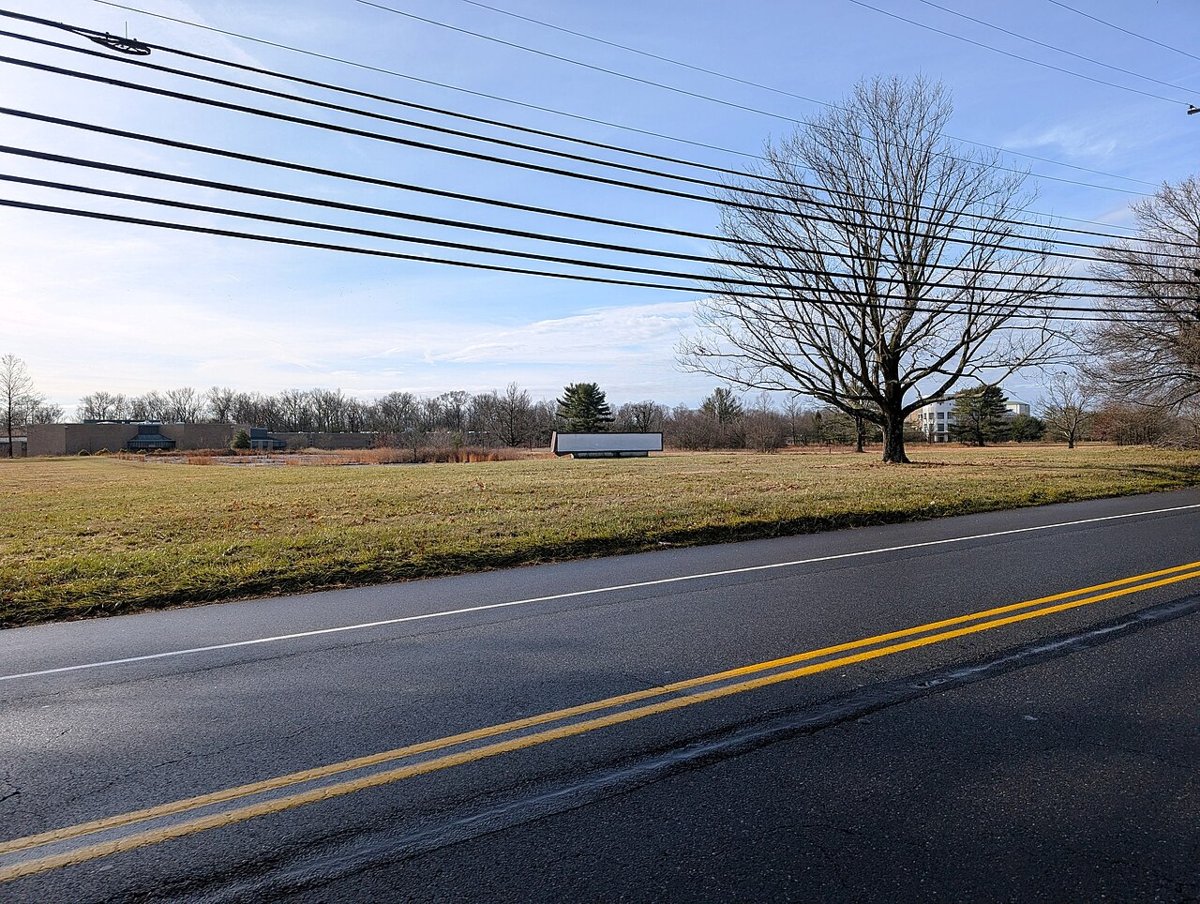
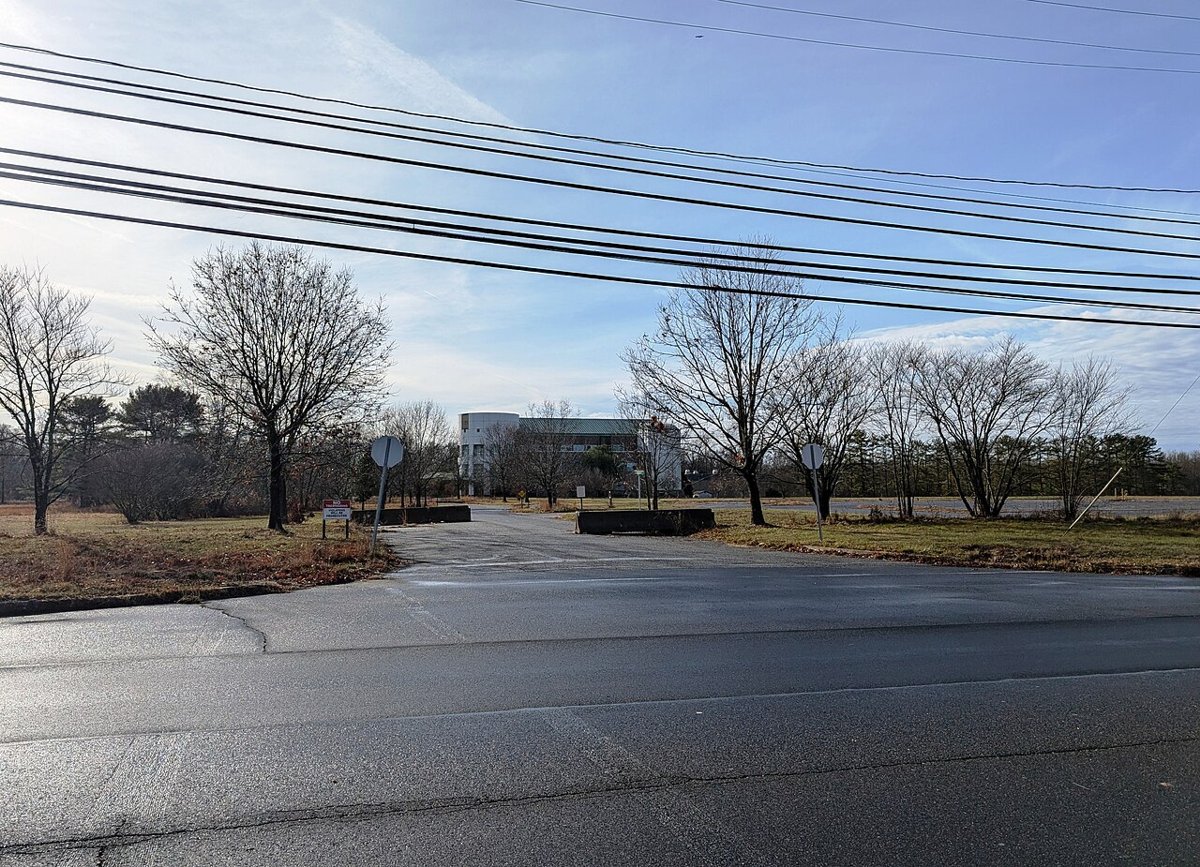
- Mount Laurel, New Jersey 08054-1599
After College
Source: College Scorecard / U.S. Department of Education
- Median Earnings (10 years)
- $44,745
- Median Earnings (5 years)
- $50,720
- Mean Earnings (6 years after entry)
- $30,800
- Loan Repayment Rate
- 44.1%
- Monthly Loan Payment
- $111/mo
- Median Debt at Graduation
- $10,500
Frequently Asked Questions
What are the admission requirements at Rowan College at Burlington County?
Rowan College at Burlington County maintains an open admission policy typical of community colleges, welcoming students regardless of high school GPA or test scores. The college serves 6,174 students and draws 98.74% of its enrollment from New Jersey residents. This accessibility makes it a popular stepping stone for students planning to transfer to four-year universities.
How much does Rowan College at Burlington County cost after financial aid?
Students pay an average net price of $6,101 after financial aid, with in-state tuition set at $4,968 annually. Low-income families earning under $30,000 pay just $4,670 net price, while higher-income families above $110,000 pay $11,331. Only 28.62% of students receive financial aid, reflecting the college's already affordable tuition structure.
What is the student-faculty ratio at Rowan College at Burlington County?
The student-faculty ratio stands at 21:1, which is typical for community colleges but higher than most four-year institutions. Classes tend to be larger as the college focuses on efficient delivery of foundational courses and career training programs. The college operates on a semester system and emphasizes practical education for both transfer students and those entering the workforce directly.
What are the job prospects for Rowan College at Burlington County graduates?
Graduates achieve a 91.7% employment rate, demonstrating strong job market success in South Jersey's economy. Median earnings reach $44,745 ten years after graduation, with graduates typically carrying manageable debt loads of $10,500. The college's focus on career training and transfer preparation helps students either enter the workforce quickly or continue their education at four-year institutions.
Where is Rowan College at Burlington County located and what is campus life like?
The college sits in Mount Laurel, a large suburban community in Burlington County that provides easy access to both Philadelphia and central New Jersey. With 60.07% women and 39.93% men, the student body reflects typical community college demographics. The suburban setting offers a quieter alternative to urban campuses while maintaining proximity to major employment centers.
Does Rowan College at Burlington County have a good graduation rate?
The six-year graduation rate of 37.90% reflects the unique nature of community college students, many of whom attend part-time, transfer before completing degrees, or take breaks for work and family obligations. This rate is actually competitive among two-year institutions, especially considering that many students successfully transfer to four-year schools before graduating. The college has served the region since 1966, building a reputation as a reliable pathway to higher education and career advancement.