About Rutgers University-Newark
Students pay an average net price of $19,407 after financial aid, with 55.7% receiving Pell Grants for low-income families. Graduates earn a median of $74,479 ten years after graduation, making the typical debt load of $21,500 manageable with monthly payments around $228. The investment pays off quickly, with an employment rate of 93.7% and strong earning potential in the New York metropolitan area job market.
The student body reflects Newark's diversity, with 35.5% Hispanic students, 20.7% white, 19.2% Black, and 18.5% Asian students. Most students are New Jersey residents at 95.3%, creating a tight-knit community despite the urban setting. The 13:1 student-faculty ratio ensures personal attention, while the 67.6% six-year graduation rate shows steady progress toward degrees in this commuter-friendly environment.
Academics & Faculty
Source: College Scorecard / U.S. Department of Education
- Student-to-Faculty Ratio
- 13:1
- Full-Time Faculty
- 63.5%
- Graduation Rate (4-year)
- 66.9%
- Graduation Rate (6-year)
- 67.6%
- Retention Rate
- 84.3%
- Median Earnings (10 years)
- $74,479
- Carnegie Classification
- Doctoral University (R2)
Popular Programs by Earnings
| Program | Level | Median Earnings |
|---|---|---|
| Registered Nursing, Nursing Administration, Nursing Research and Clinical Nursing. | Doctoral | $110,432 |
| Business Administration, Management and Operations. | Master | $109,327 |
| Computer and Information Sciences, General. | Bachelor | $71,778 |
| Allied Health Diagnostic, Intervention, and Treatment Professions. | Bachelor | $70,596 |
| Accounting and Related Services. | Master | $68,079 |
| Management Information Systems and Services. | Bachelor | $65,486 |
| Biological and Physical Sciences. | Master | $64,791 |
| Clinical/Medical Laboratory Science/Research and Allied Professions. | Bachelor | $64,087 |
| Finance and Financial Management Services. | Bachelor | $60,001 |
| Accounting and Related Services. | Bachelor | $58,382 |
Campus Life
Winter coats are essential as temperatures drop into the 20s and 30s from December through February. The 13:1 student-faculty ratio means smaller classes despite being part of the massive Rutgers system. Students often head to nearby New York City for weekend entertainment, though campus organizations and the recreation center provide local options. The Scarlet Raiders compete in 10 Division III sports with 239 total athletes, but athletic life takes a backseat to academics and career preparation. Many students work part-time jobs while studying, balancing their education with real-world experience in one of the Northeast's major business centers.
- Setting
- City-Large
- Housing Capacity
- 2,015 beds
- Calendar System
- Semester
- Study Abroad
- Available
Campus Safety (2023)
148 total reported incidents. Source: Clery Act / U.S. Department of Education
| Offense | On Campus | Residential | Noncampus | Public Property |
|---|---|---|---|---|
| Motor Vehicle Theft | 21 | 0 | 0 | 34 |
| Domestic Violence | 23 | 5 | 0 | 5 |
| Aggravated Assault | 10 | 0 | 0 | 6 |
| Stalking | 13 | 2 | 0 | 0 |
| Robbery | 6 | 0 | 0 | 6 |
| Fondling | 6 | 1 | 0 | 0 |
| Burglary | 6 | 0 | 0 | 0 |
| Rape | 3 | 1 | 0 | 0 |
Climate & Weather
- January Avg
- 24°–38°F
- July Avg
- 68°–86°F
- Annual Precipitation
- 46.3"
- Annual Snowfall
- 28.5"
Student Demographics
- Men
- 47.1%
- Women
- 52.9%
- White
- 20.7%
- Black
- 19.2%
- Hispanic
- 35.5%
- Asian
- 18.5%
- In-State Students
- 95.3%
- Pell Grant Recipients
- 55.7%
Location
- Address
- Newark, New Jersey 07102
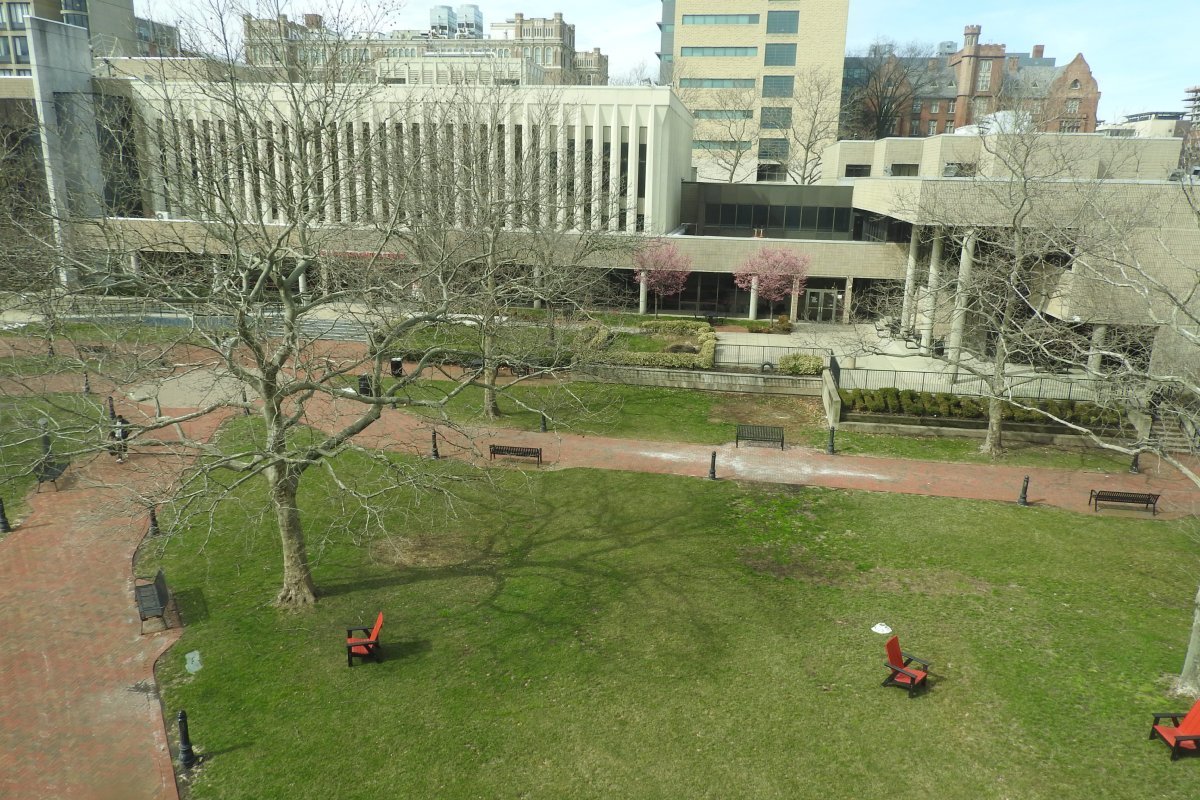

After College
Source: College Scorecard / U.S. Department of Education
- Median Earnings (10 years)
- $74,479
- Median Earnings (5 years)
- $75,436
- Mean Earnings (6 years after entry)
- $48,200
- Loan Repayment Rate
- 69.7%
- Monthly Loan Payment
- $228/mo
- Median Debt at Graduation
- $21,500
Frequently Asked Questions
What is the acceptance rate at Rutgers University-Newark?
Rutgers University-Newark admits 73.94% of applicants, making it more accessible than flagship state universities. The campus serves primarily New Jersey residents, with 95.31% of students coming from in-state.
How much does Rutgers University-Newark cost after financial aid?
The average net price is $19,407, though costs vary by family income. Students from families earning under $30,000 pay just $14,840 on average, while 55.70% receive Pell Grants for low-income students.
What is the student-faculty ratio at Rutgers University-Newark?
The student-faculty ratio is 13:1 across the 7,187 enrolled students. The campus is known for strong business and criminal justice programs within the broader Rutgers research university system.
What are the career outcomes for Rutgers University-Newark graduates?
Graduates earn a median of $74,479 ten years after graduation, with a 93.7% employment rate. The 67.60% six-year graduation rate reflects the challenges many students face balancing work and school in an urban setting.
Where is the Rutgers University-Newark campus located?
The campus sits in Newark, New Jersey's largest city, providing internship and job opportunities in finance, law, and business. Housing capacity is 2,015 students, though many commute from the surrounding metropolitan area.
Does Rutgers University-Newark offer athletic scholarships?
The Scarlet Raiders compete in NCAA Division III and offer no athletic scholarships across their 10 varsity sports. Notable alumni include NBA legend Shaquille O'Neal and actor Ray Liotta, who attended before transferring to other institutions.