

About Salem State University
Students pay an average net price of $18,441 after financial aid, making this one of the more affordable options in Massachusetts higher education. Graduates earn a median of $56,662 ten years after graduation, while typical student loan debt sits at $25,000. The monthly loan payment of $265 represents a manageable burden given the earning potential. Over 35% of students receive Pell Grants, reflecting the university's mission to serve students from lower-income families.
The student body is 64% women and increasingly diverse, with 23% Hispanic students and 9% Black students. The 55% graduation rate reflects the challenges many first-generation students face, but the 96% employment rate shows that those who complete degrees find work. With a 11:1 student-faculty ratio, students get personal attention that helps them navigate college successfully.
Academics & Faculty
Source: College Scorecard / U.S. Department of Education
- Student-to-Faculty Ratio
- 11:1
- Full-Time Faculty
- 99.4%
- Graduation Rate (4-year)
- 55.2%
- Graduation Rate (6-year)
- 55.0%
- Retention Rate
- 73.7%
- Median Earnings (10 years)
- $56,662
- Carnegie Classification
- Master's University (Large)
Popular Programs by Earnings
| Program | Level | Median Earnings |
|---|---|---|
| Business Administration, Management and Operations. | Master | $78,971 |
| Registered Nursing, Nursing Administration, Nursing Research and Clinical Nursing. | Master | $71,854 |
| Registered Nursing, Nursing Administration, Nursing Research and Clinical Nursing. | Bachelor | $69,261 |
| Computer and Information Sciences, General. | Bachelor | $67,660 |
| Rehabilitation and Therapeutic Professions. | Master | $63,005 |
| Teacher Education and Professional Development, Specific Subject Areas. | Master | $59,124 |
| Special Education and Teaching. | Master | $54,855 |
| Social Work. | Master | $50,606 |
| Clinical, Counseling and Applied Psychology. | Master | $48,302 |
| Educational Administration and Supervision. | Master | $48,041 |
Campus Life
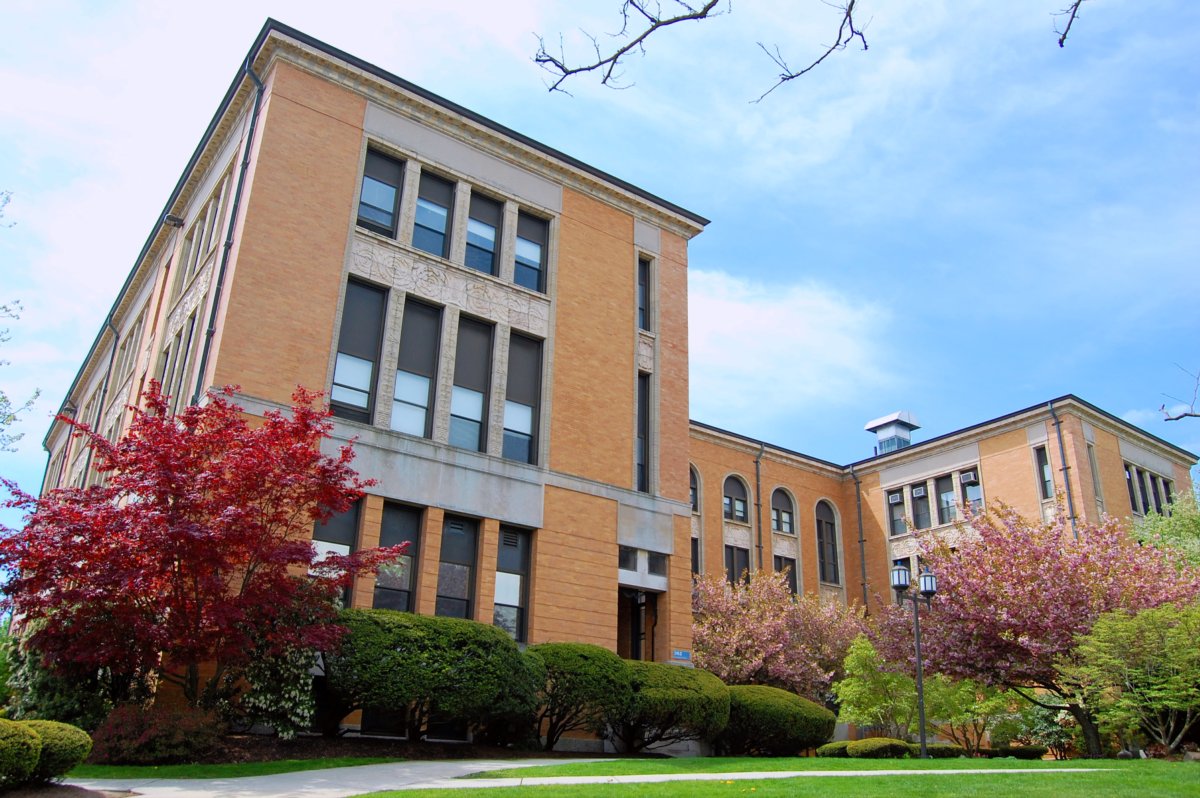
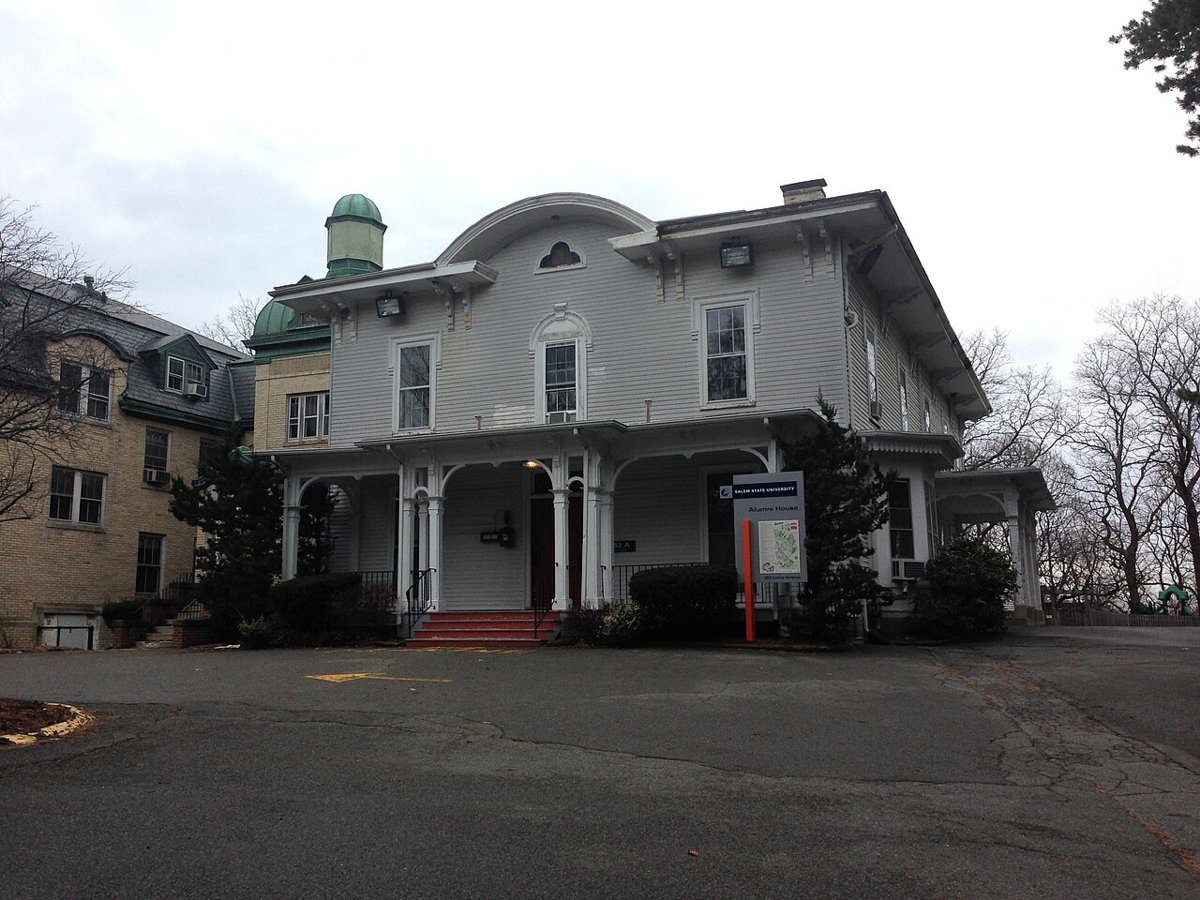
New England winters mean heavy coats and snow boots from December through March, while fall brings perfect weather for walking around Salem's witch trial sites and waterfront. The 64% female student body reflects the university's strong education and nursing programs. Students often spend weekends exploring Salem's tourist attractions, taking the commuter rail to Boston, or attending Vikings athletic events. With 15 varsity sports and NCAA Division III competition, games draw modest but loyal crowds. The Massachusetts State Collegiate Athletic Conference keeps rivalries regional and accessible for families and friends to attend.
- Setting
- Suburb-Large
- Housing Capacity
- 1,675 beds
- Calendar System
- Semester
- Study Abroad
- Available
- Founded
- 1854
Campus Safety (2023)
54 total reported incidents. Source: Clery Act / U.S. Department of Education
| Offense | On Campus | Residential | Noncampus | Public Property |
|---|---|---|---|---|
| Rape | 8 | 5 | 0 | 0 |
| Burglary | 5 | 4 | 0 | 0 |
| Domestic Violence | 6 | 3 | 0 | 0 |
| Dating Violence | 4 | 4 | 0 | 0 |
| Fondling | 3 | 3 | 0 | 0 |
| Stalking | 2 | 2 | 0 | 0 |
| Aggravated Assault | 1 | 1 | 0 | 0 |
| Motor Vehicle Theft | 1 | 0 | 0 | 0 |
| Murder | 0 | 0 | 0 | 1 |
| Robbery | 0 | 0 | 0 | 1 |
Climate & Weather
- January Avg
- 17°–36°F
- July Avg
- 60°–80°F
- Annual Precipitation
- 48.0"
- Annual Snowfall
- 39.1"
Student Demographics
- Men
- 35.8%
- Women
- 64.2%
- White
- 56.0%
- Black
- 8.5%
- Hispanic
- 23.2%
- Asian
- 2.9%
- In-State Students
- 92.0%
- Pell Grant Recipients
- 35.3%
Location
- Address
- Salem, Massachusetts 01970
After College
Source: College Scorecard / U.S. Department of Education
- Median Earnings (10 years)
- $56,662
- Median Earnings (5 years)
- $60,219
- Mean Earnings (6 years after entry)
- $39,300
- Loan Repayment Rate
- 61.3%
- Monthly Loan Payment
- $265/mo
- Median Debt at Graduation
- $25,000
Frequently Asked Questions
What is the acceptance rate at Salem State University?
Salem State University accepts 92.66% of applicants, making it highly accessible to Massachusetts students. The average SAT score is 1098, reflecting the university's mission to serve first-generation college students and provide educational opportunities to a diverse student body.
How much does Salem State University cost after financial aid?
The average net price at Salem State University is $18,441 annually. Students from families earning under $30,000 pay just $13,384 after aid, while 35.31% receive Pell Grants, demonstrating the school's commitment to affordability for working-class families.
What is the student-faculty ratio at Salem State University?
Salem State University maintains an 11:1 student-faculty ratio, ensuring personalized attention in the classroom. The university is known for strong programs in education, business, and nursing, with many students pursuing careers in public service and healthcare.
What are the graduation outcomes at Salem State University?
Salem State University has a 55% six-year graduation rate, with graduates earning a median salary of $56,662 ten years after enrollment. The school serves many first-generation college students, and 96.1% of graduates find employment, reflecting the practical nature of its career-focused programs.
Where is Salem State University located and what is campus life like?
Salem State University sits in the historic city of Salem, Massachusetts, with housing for 1,675 students on campus. The Vikings compete in 15 NCAA Division III sports with 267 total athletes, creating a close-knit community atmosphere in this large suburban setting.
Does Salem State University serve a diverse student population?
Salem State University enrolls 4,286 students who are 64.23% women and represent diverse backgrounds, with 23.15% Hispanic and 8.52% Black students. Nearly 92% of students come from Massachusetts, making it a vital educational resource for the state's increasingly diverse population.
Similar Schools

Worcester State University
Worcester, Massachusetts

Framingham State University
Framingham, Massachusetts
Fitchburg State University
Fitchburg, Massachusetts
Westfield State University
Westfield, Massachusetts
University of Massachusetts-Dartmouth
North Dartmouth, Massachusetts
Midwestern State University
Wichita Falls, Texas