About Salisbury University
Students pay an average net price of $16,456 after financial aid, making Salisbury surprisingly affordable for a quality education. Graduates earn a median of $61,515 ten years after graduation while carrying typical debt of $21,000. Monthly loan payments average just $223, making the financial burden manageable given career outcomes. In-state students pay only $10,638 in tuition, creating strong value for Maryland residents who make up 83% of the student body.
The school operates on a unique Four-One-Four calendar system that includes a January term for internships or study abroad. With a 96% employment rate after graduation and 68% four-year graduation rate, Salisbury delivers solid career preparation. The 80% retention rate suggests most students find their academic and social fit on the close-knit campus.
Academics & Faculty
Source: College Scorecard / U.S. Department of Education
- Student-to-Faculty Ratio
- 13:1
- Full-Time Faculty
- 69.8%
- Graduation Rate (4-year)
- 68.0%
- Graduation Rate (6-year)
- 67.4%
- Retention Rate
- 80.3%
- Median Earnings (10 years)
- $61,515
- Carnegie Classification
- Master's University (Large)
Popular Programs by Earnings
| Program | Level | Median Earnings |
|---|---|---|
| Computer and Information Sciences, General. | Bachelor | $74,576 |
| Registered Nursing, Nursing Administration, Nursing Research and Clinical Nursing. | Bachelor | $63,267 |
| Finance and Financial Management Services. | Bachelor | $58,221 |
| Information Science/Studies. | Bachelor | $57,564 |
| Accounting and Related Services. | Bachelor | $56,931 |
| Allied Health Diagnostic, Intervention, and Treatment Professions. | Bachelor | $54,296 |
| Business Administration, Management and Operations. | Master | $53,537 |
| Clinical/Medical Laboratory Science/Research and Allied Professions. | Bachelor | $53,358 |
| Economics. | Bachelor | $48,823 |
| Business Administration, Management and Operations. | Bachelor | $48,112 |
Campus Life
Students experience all four seasons here, from humid summers to winters that require a good coat when temperatures drop into the 30s. The Four-One-Four academic calendar includes a unique January intersession that allows for intensive courses, study abroad, or internships. Weekend activities often revolve around the Fulton School of Liberal Arts events, outdoor recreation at nearby beaches, or trips to Ocean City just 30 minutes away. The strong regional ties mean 83% of students come from Maryland, creating a tight community feel where the 13:1 student-faculty ratio ensures professors know students by name.
- Setting
- Suburb-Small
- Housing Capacity
- 2,279 beds
- Calendar System
- Four-One-Four
- Study Abroad
- Available
- Founded
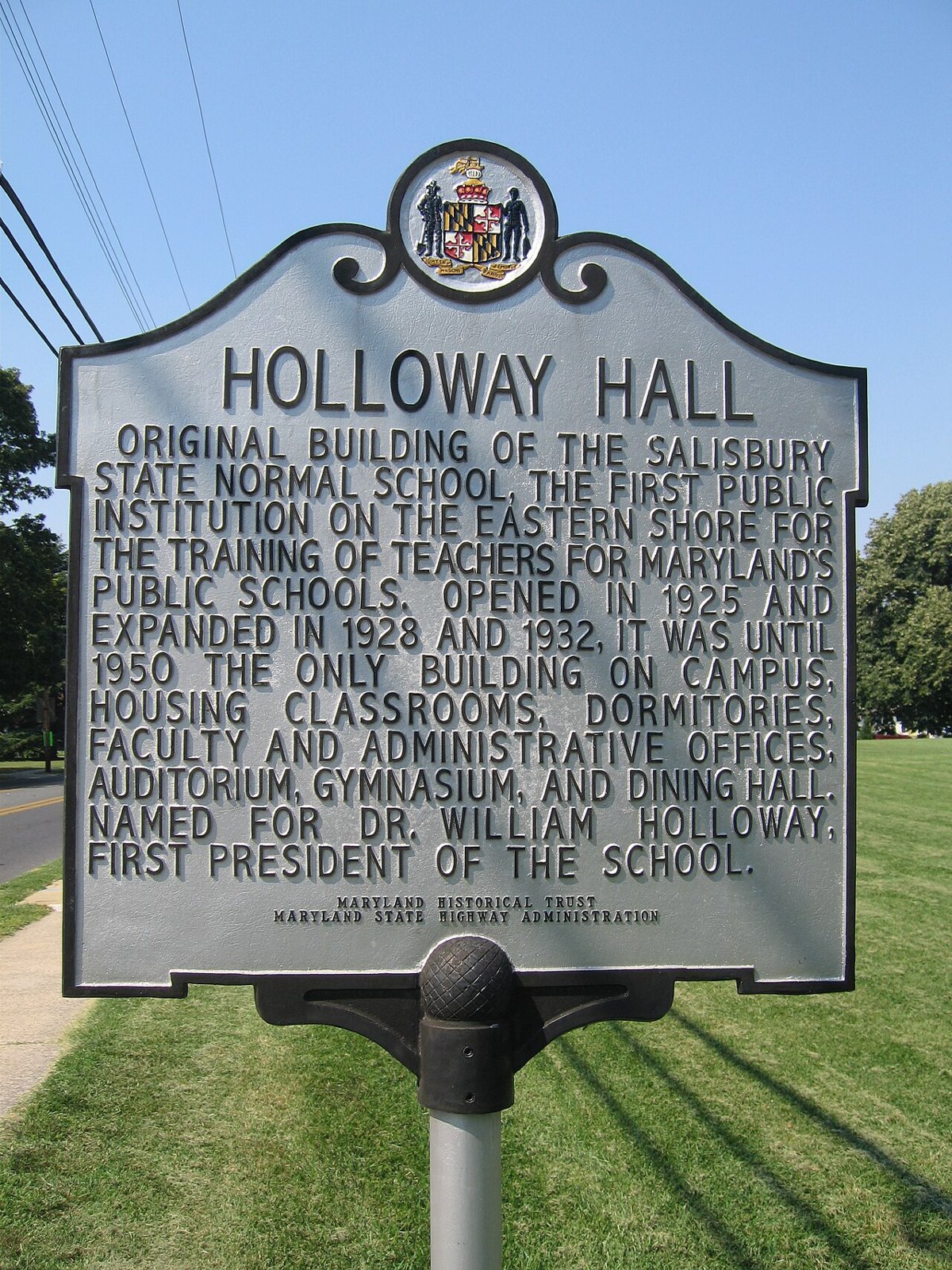
- 1925
Campus Safety (2023)
35 total reported incidents. Source: Clery Act / U.S. Department of Education
| Offense | On Campus | Residential | Noncampus | Public Property |
|---|---|---|---|---|
| Fondling | 6 | 6 | 0 | 0 |
| Stalking | 6 | 2 | 0 | 0 |
| Dating Violence | 4 | 3 | 0 | 0 |
| Rape | 3 | 2 | 0 | 0 |
| Aggravated Assault | 1 | 0 | 0 | 0 |
| Burglary | 1 | 0 | 0 | 0 |
| Robbery | 1 | 0 | 0 | 0 |
Climate & Weather
- January Avg
- 29°–46°F
- July Avg
- 69°–87°F
- Annual Precipitation
- 45.9"
- Annual Snowfall
- 3.2"
Student Demographics
- Men
- 44.1%
- Women
- 55.9%
- White
- 69.1%
- Black
- 13.5%
- Hispanic
- 7.4%
- Asian
- 3.1%
- In-State Students
- 83.1%
- Pell Grant Recipients
- 24.1%
Location
- Address
- Salisbury, Maryland 21801-6862

After College
Source: College Scorecard / U.S. Department of Education
- Median Earnings (10 years)
- $61,515
- Median Earnings (5 years)
- $60,422
- Mean Earnings (6 years after entry)
- $40,000
- Loan Repayment Rate
- 68.4%
- Monthly Loan Payment
- $223/mo
- Median Debt at Graduation
- $21,000
Frequently Asked Questions
What is the acceptance rate at Salisbury University?
Salisbury University accepts 91% of applicants, making it accessible to most students who apply. The middle 50% of admitted students score between 1180-1320 on the SAT. This public comprehensive university focuses on undergraduate teaching rather than highly selective admissions.
How much does Salisbury University cost after financial aid?
Students pay an average net price of $16,456 after aid, though costs vary by family income. Low-income families earning under $30,000 pay just $7,351 on average. Graduates leave with a median debt of $21,000, which is manageable given the university's strong focus on practical career preparation.
What academic programs is Salisbury University known for?
Salisbury University excels in business, education, and health programs with a 13:1 student-faculty ratio. The university operates on a unique Four-One-Four calendar system that includes an intensive January term. This comprehensive public institution emphasizes hands-on learning and undergraduate teaching quality.
What are the job prospects for Salisbury University graduates?
Graduates achieve a 96.1% employment rate and earn a median salary of $61,515 ten years after graduation. The 68% four-year graduation rate reflects the university's commitment to helping students complete degrees efficiently. Strong career services support the transition from classroom to workplace in the region.
Where is Salisbury University located and what is campus life like?
The campus sits in suburban Salisbury, Maryland, housing 2,279 students in residence halls. With 83% of students coming from in-state, the Sea Gulls create a tight-knit community feel. The university fields 21 varsity sports in NCAA Division III, emphasizing student-athlete academic success over athletic scholarships.
Does Salisbury University offer good value for Maryland residents?
In-state students pay just $10,638 in tuition, making it one of Maryland's most affordable public universities. The 80% retention rate shows students are satisfied with their choice to stay. Founded in 1925, Salisbury has built a reputation for delivering quality education at an accessible price point for Maryland families.