
About Samford University
Students pay an average net price of $30,795 after financial aid, though only 11% receive Pell Grants. Graduates earn a median of $58,469 ten years after graduation, making the typical $207 monthly loan payment manageable for most. The relatively low median debt of $19,500 reflects the school's commitment to affordability despite its private status. Strong employment outcomes support the investment, with 96% of graduates finding jobs.
Women make up 66% of the student body, creating a distinctly different campus active than many universities. The 14:1 student-faculty ratio ensures personal attention in rigorous programs. Samford competes in NCAA Division I athletics with 13 varsity sports, giving the Bulldogs a presence in the competitive Southern Conference. The Four-One-Four academic calendar includes an intensive January term for focused study or internships.
Academics & Faculty
Source: College Scorecard / U.S. Department of Education
- Student-to-Faculty Ratio
- 14:1
- Full-Time Faculty
- 99.0%
- Graduation Rate (4-year)
- 78.8%
- Graduation Rate (6-year)
- 79.9%
- Retention Rate
- 87.7%
- Median Earnings (10 years)
- $58,469
- Carnegie Classification
- Doctoral/Professional University
Popular Programs by Earnings
| Program | Level | Median Earnings |
|---|---|---|
| Pharmacy, Pharmaceutical Sciences, and Administration. | Doctoral | $120,880 |
| Registered Nursing, Nursing Administration, Nursing Research and Clinical Nursing. | Doctoral | $104,192 |
| Registered Nursing, Nursing Administration, Nursing Research and Clinical Nursing. | Master | $99,380 |
| Educational Administration and Supervision. | Doctoral | $91,363 |
| Accounting and Related Services. | Master | $59,124 |
| Registered Nursing, Nursing Administration, Nursing Research and Clinical Nursing. | Bachelor | $54,948 |
| Educational Administration and Supervision. | Master | $54,851 |
| Finance and Financial Management Services. | Bachelor | $52,941 |
| Business Administration, Management and Operations. | Master | $52,107 |
| Law. | Doctoral | $48,667 |
Campus Life
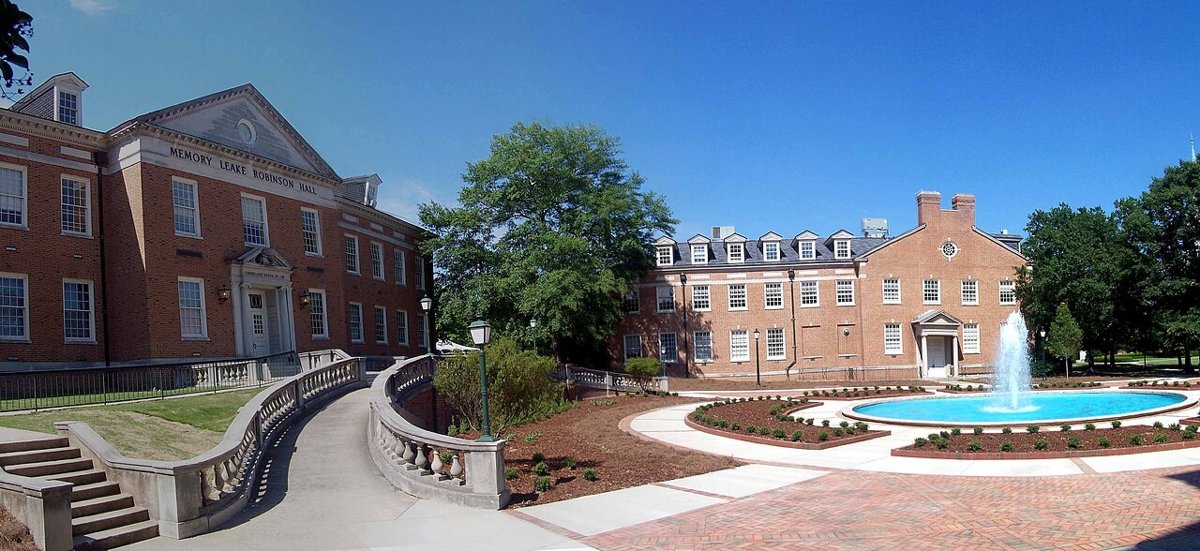
The 14:1 student-faculty ratio creates small class environments where professors know your name. Women make up 65.88% of the student body, creating a female-majority campus. Weekend life revolves around the quad's red-brick Georgian Colonial buildings and close-knit community events. Students often head into Birmingham for internships, shopping, or Crimson Tide games at nearby University of Alabama satellite programs. The Baptist heritage shapes campus culture without being overwhelming. Greek life provides social outlets, while the Bulldogs compete in Division I Southern Conference athletics across 13 sports. With 431 total athletes on campus, you'll regularly see teammates around the dining halls and residence halls.
- Setting
- Suburb-Large
- Housing Capacity
- 2,375 beds
- Calendar System
- Four-One-Four
- Study Abroad
- Available
- Founded
- 1841
Campus Safety (2023)
4 total reported incidents. Source: Clery Act / U.S. Department of Education
| Offense | On Campus | Residential | Noncampus | Public Property |
|---|---|---|---|---|
| Aggravated Assault | 1 | 0 | 0 | 0 |
| Burglary | 1 | 0 | 0 | 0 |
| Dating Violence | 0 | 0 | 1 | 0 |
| Rape | 0 | 0 | 1 | 0 |
Climate & Weather
- January Avg
- 34°–54°F
- July Avg
- 72°–91°F
- Annual Precipitation
- 56.6"
- Annual Snowfall
- 1.4"
Student Demographics
- Men
- 34.1%
- Women
- 65.9%
- White
- 85.7%
- Black
- 4.5%
- Hispanic
- 4.7%
- Asian
- 1.3%
- In-State Students
- 23.6%
- Pell Grant Recipients
- 10.8%
Location
- Address
- Birmingham, Alabama 35229-2240
After College
Source: College Scorecard / U.S. Department of Education
- Median Earnings (10 years)
- $58,469
- Median Earnings (5 years)
- $58,732
- Mean Earnings (6 years after entry)
- $45,200
- Loan Repayment Rate
- 77.7%
- Monthly Loan Payment
- $207/mo
- Median Debt at Graduation
- $19,500
Frequently Asked Questions
What is the acceptance rate at Samford University?
Samford University accepts 83% of applicants, making it moderately selective for a private Christian institution. The middle 50% of admitted students score between 1080-1270 on the SAT, reflecting the university's focus on admitting academically prepared students who align with its Baptist values.
How much does Samford University cost after financial aid?
Students pay an average net price of $30,795 annually after aid, less than the $51,504 sticker price. Only 11% of students receive Pell Grants, indicating Samford primarily serves middle to upper-middle class families who can afford the substantial tuition.
What academic programs is Samford University known for?
Samford built its reputation on pharmacy, nursing, and business programs within a Christian framework. The 14:1 student-faculty ratio allows for personalized attention that supports the university's emphasis on integrating faith with professional preparation.
What are employment outcomes like for Samford University graduates?
Graduates achieve a 96% employment rate and earn a median salary of $58,469 ten years after graduation. The 80% six-year graduation rate reflects Samford's success in helping students complete their degrees and transition into careers.
Where is Samford University located and what is campus life like?
The university sits in suburban Birmingham, Alabama, housing 2,375 students on campus out of 3,828 total enrollment. Campus life centers around the Baptist faith tradition, with 13 Division I sports teams competing as the Bulldogs in the Southern Conference.
How diverse is Samford University's student body?
The student population is 86% white and 66% female, with only 24% coming from Alabama itself. This demographic makeup reflects Samford's appeal to white, Christian families from across the Southeast who value the university's conservative Baptist identity.