About San Bernardino Valley College
The financial picture makes SBVC highly accessible to working families. Students pay an average net price of $8,234 after aid, with in-state tuition starting at just $1,185. Graduates earn a median of $39,676 ten years after enrollment, providing solid returns on this modest investment. Only 27% of students receive Pell Grants, suggesting many come from families just above the federal aid threshold. The loan default situation remains manageable with a 33% repayment rate.
Women outnumber men 61% to 39% in the student body, typical for community colleges nationwide. The Wolverines compete in 12 varsity sports with 252 total athletes, though the athletics program operates without scholarship funding. With a 91.5% employment rate after graduation, SBVC delivers on its promise of practical career preparation.
Academics & Faculty
Source: College Scorecard / U.S. Department of Education
- Student-to-Faculty Ratio
- 24:1
- Full-Time Faculty
- 31.4%
- Graduation Rate (6-year)
- 22.1%
- Median Earnings (10 years)
- $39,676
Popular Programs by Earnings
| Program | Level | Median Earnings |
|---|---|---|
| Mental and Social Health Services and Allied Professions. | Associate | $76,460 |
| Registered Nursing, Nursing Administration, Nursing Research and Clinical Nursing. | Associate | $54,109 |
| Education, General. | Associate | $38,289 |
| Vehicle Maintenance and Repair Technologies. | Certificate | $33,281 |
| Accounting and Related Services. | Associate | $31,133 |
| Liberal Arts and Sciences, General Studies and Humanities. | Associate | $30,409 |
| Human Services, General. | Associate | $27,476 |
| Business Administration, Management and Operations. | Associate | $25,194 |
| Criminal Justice and Corrections. | Associate | $20,530 |
Campus Life
Women make up 61% of the student body, and the campus reflects the region's diversity with 70% Hispanic students. As a community college, nearly all students commute from home or nearby apartments since there's no on-campus housing. The 24:1 student-to-faculty ratio means classes can feel crowded, especially in popular transfer programs.
Weekend life revolves around the surrounding San Bernardino area rather than campus activities. Students often head to nearby mountains for hiking or make the drive to LA or Orange County beaches. The 252 student-athletes competing in 12 sports provide some campus energy during game days. With 91% of students from California, many have local connections that shape their social circles beyond the classroom.
- Setting
- City-Midsize
- Calendar System
- Semester
- Study Abroad
- Available
- Founded
- 1926
Campus Safety (2023)
13 total reported incidents. Source: Clery Act / U.S. Department of Education
| Offense | On Campus | Residential | Noncampus | Public Property |
|---|---|---|---|---|
| Burglary | 9 | 0 | 1 | 0 |
| Aggravated Assault | 1 | 0 | 0 | 1 |
| Fondling | 1 | 0 | 0 | 0 |
Climate & Weather
- January Avg
- 41°–66°F
- July Avg
- 62°–95°F
- Annual Precipitation
- 12.9"
- Annual Snowfall
- 0.0"
Student Demographics
- Men
- 38.8%
- Women
- 61.2%
- White
- 10.6%
- Black
- 10.2%
- Hispanic
- 70.1%
- Asian
- 4.5%
- In-State Students
- 90.7%
- Pell Grant Recipients
- 27.0%
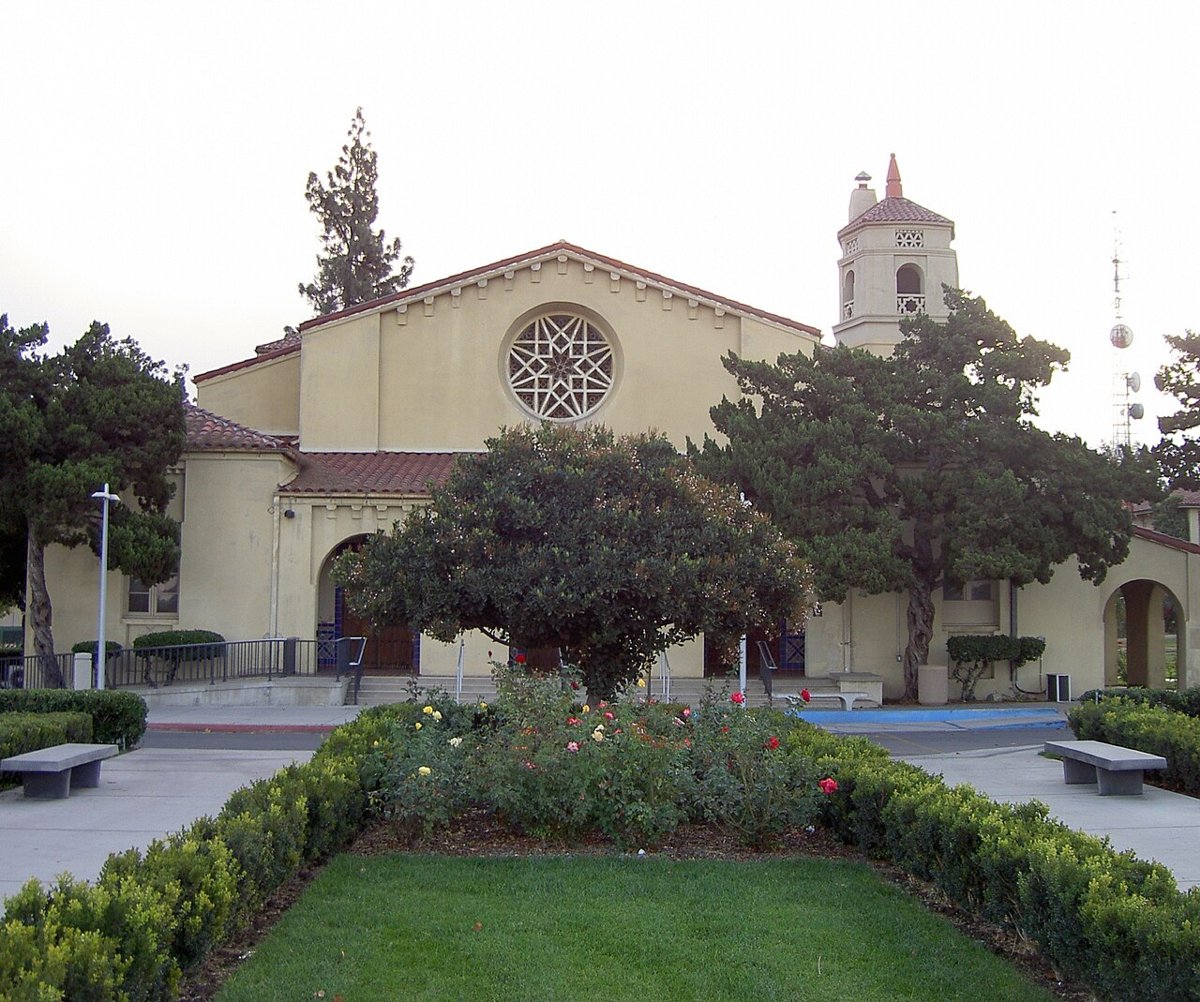
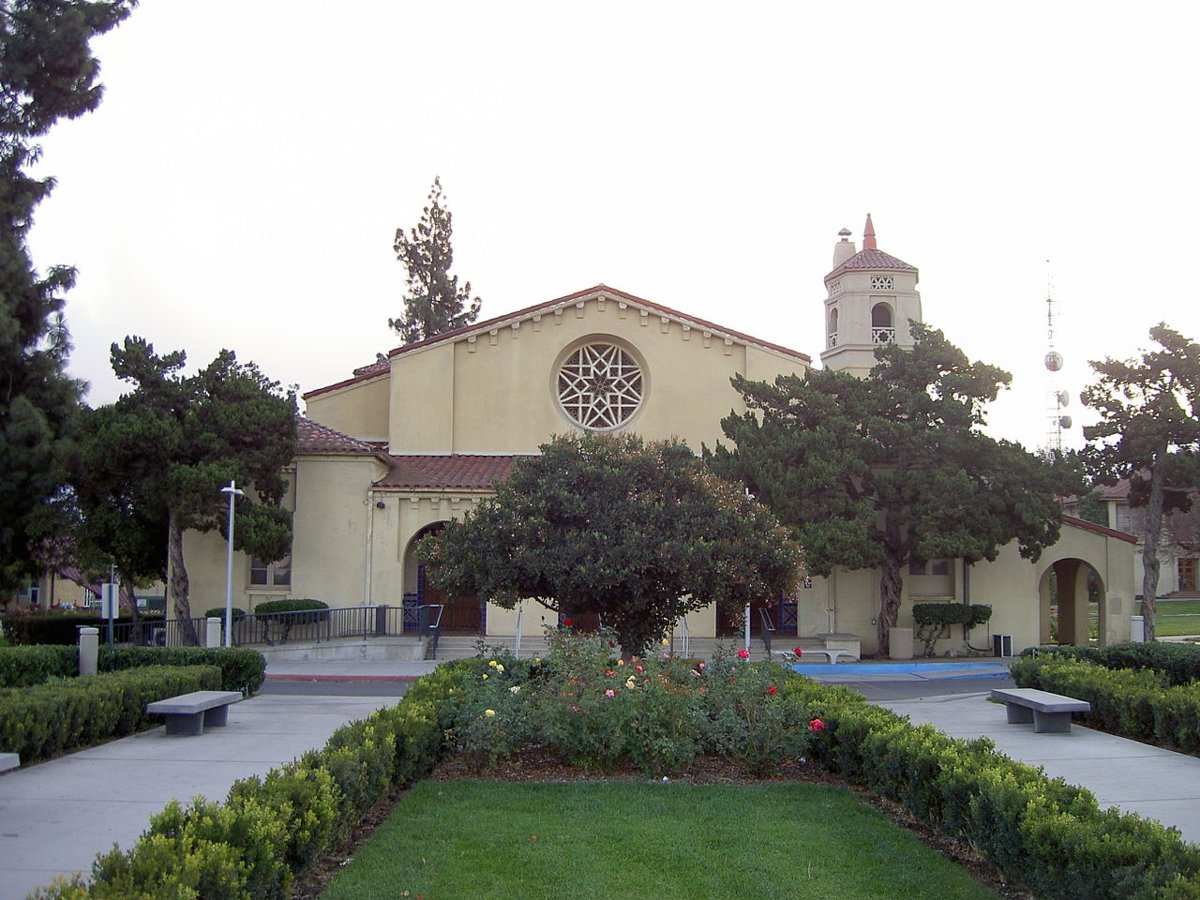
Location
- Address
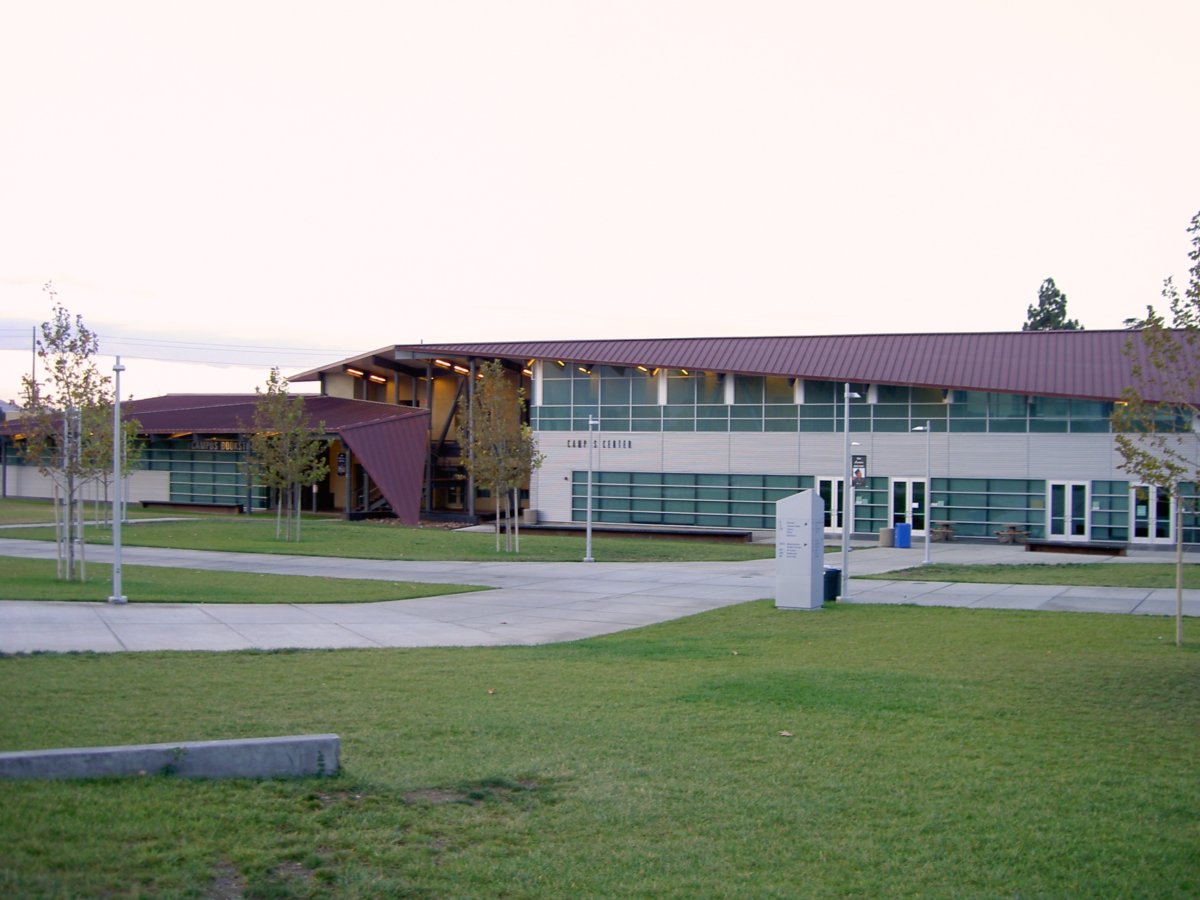
- San Bernardino, California 92410-2798
After College
Source: College Scorecard / U.S. Department of Education
- Median Earnings (10 years)
- $39,676
- Median Earnings (5 years)
- $44,238
- Mean Earnings (6 years after entry)
- $25,700
- Loan Repayment Rate
- 33.1%
Frequently Asked Questions
What are the admission requirements at San Bernardino Valley College?
San Bernardino Valley College maintains an open admission policy typical of California community colleges, meaning all students with a high school diploma or equivalent can enroll. The college serves 11,106 students and focuses on providing accessible higher education to the diverse San Bernardino community. Nearly 91% of students are California residents taking advantage of the affordable in-state tuition.
How much does San Bernardino Valley College cost after financial aid?
Students pay an average net price of $8,234 annually, with in-state tuition listed at just $1,185 per year. About 27% of students receive Pell Grants, and the net price varies by family income, ranging from $7,949 for middle-income families to $13,367 for the highest earners. The college keeps costs low as part of California's community college mission to provide affordable education.
What is the student-faculty ratio at San Bernardino Valley College?
The student-faculty ratio stands at 24:1, which is typical for community colleges but higher than many four-year institutions. San Bernardino Valley College has operated since 1926 and focuses on transfer preparation and career training programs. The college serves a predominantly Hispanic student body, with 70% of students identifying as Hispanic.
What are the graduation and employment outcomes at San Bernardino Valley College?
The six-year graduation rate is 22%, reflecting the varied paths community college students take, including part-time study and transfer before completion. However, graduates achieve a 91.5% employment rate and earn a median salary of $39,676 ten years after enrollment. Many students use the college as a stepping stone to transfer to four-year universities rather than completing their degree here.
Where is San Bernardino Valley College located and what is campus life like?
The campus sits in San Bernardino, a mid-sized city in California's Inland Empire region. With 252 student athletes competing in 12 varsity sports as the Wolverines, the college maintains an active athletic program despite offering no athletic scholarships. The student body is 61% female and represents the diverse demographics of the San Bernardino area.
Does San Bernardino Valley College offer good financial aid beyond federal programs?
Only 4.17% of students receive institutional grants from the college, with those grants averaging $5,093. The college's strength lies in its low base tuition rather than extensive scholarship programs, and just 0.27% of students take out federal loans. This reflects the community college model of keeping education affordable upfront rather than relying heavily on financial aid packages.