
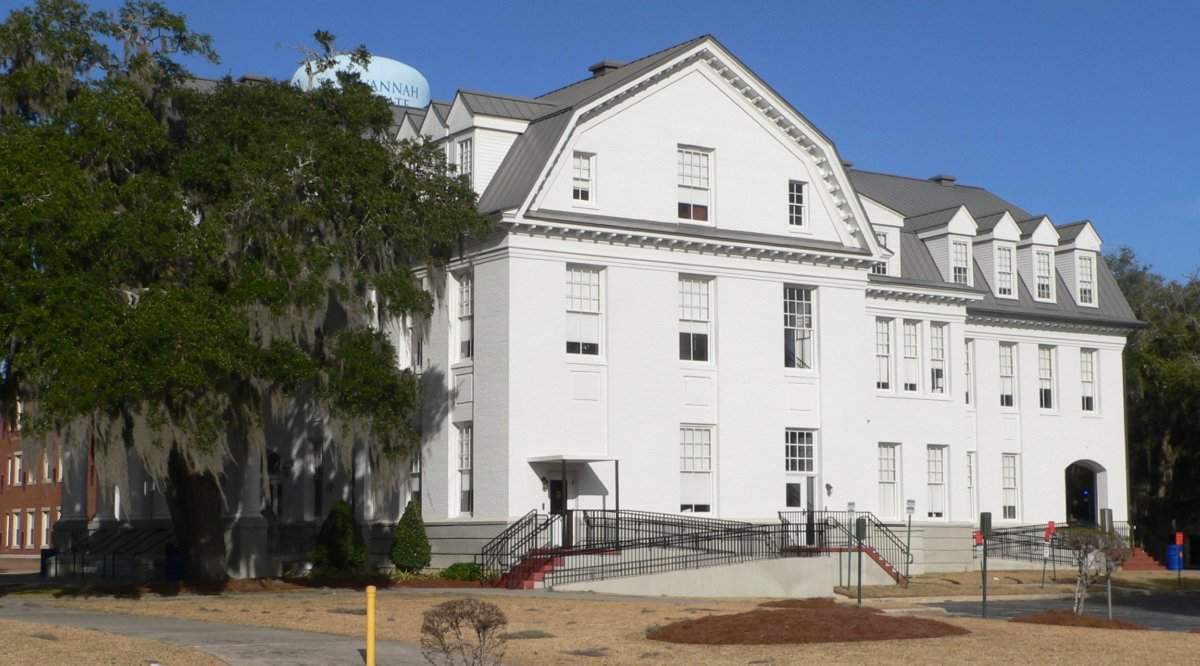
About Savannah State University
Money matters tell a mixed story here. Students pay an average net price of $8,683 after aid, with low-income families paying just $7,238. That's affordable upfront, especially with 65% receiving Pell Grants. However, graduates earn a median of $37,981 ten years out, while carrying $28,000 in debt with monthly payments of $297. The 25% six-year graduation rate means many students don't finish, making the investment riskier than the low sticker price suggests.
The student body is 86% Black and 85% in-state, creating a tight-knit community where 70% of freshmen return for sophomore year. Women make up 63% of enrollment. The Tigers compete in NCAA Division II with 265 athletes across 11 sports, and campus housing accommodates 1,803 students in a residential environment that builds lasting connections.
Academics & Faculty
Source: College Scorecard / U.S. Department of Education
- Student-to-Faculty Ratio
- 21:1
- Full-Time Faculty
- 68.1%
- Graduation Rate (4-year)
- 27.0%
- Graduation Rate (6-year)
- 25.2%
- Retention Rate
- 70.0%
- Median Earnings (10 years)
- $37,981
- Carnegie Classification
- Master's University (Small)
Popular Programs by Earnings
| Program | Level | Median Earnings |
|---|---|---|
| Civil Engineering Technologies/Technicians. | Bachelor | $50,606 |
| Electrical Engineering Technologies/Technicians. | Bachelor | $47,729 |
| Computer Engineering Technologies/Technicians. | Bachelor | $41,565 |
| Information Science/Studies. | Bachelor | $41,025 |
| Social Work. | Master | $40,697 |
| Accounting and Related Services. | Bachelor | $38,289 |
| Mathematics. | Bachelor | $37,208 |
| Business Administration, Management and Operations. | Bachelor | $35,060 |
| Homeland Security, Law Enforcement, Firefighting and Related Protective Services, Other. | Bachelor | $30,771 |
| Criminal Justice and Corrections. | Bachelor | $29,685 |
Campus Life
Women make up 63% of the student body, creating a tight-knit community where the 21:1 student-faculty ratio means professors know your name. Weekend life revolves around Tiger athletics and the active Savannah social scene just beyond campus gates. Students often explore River Street's shops and restaurants or catch live music in the city's numerous venues. The university's location puts you two hours from Atlanta and four hours from Jacksonville, but most Tigers find plenty to do right in Savannah. Greek life and campus organizations provide additional social outlets, while the nearby Savannah River offers opportunities for marine science students to conduct hands-on research.
- Setting
- City-Midsize
- Housing Capacity
- 1,803 beds
- Calendar System
- Semester
- Study Abroad
- Available
- Founded
- 1890
Campus Safety (2023)
31 total reported incidents. Source: Clery Act / U.S. Department of Education
| Offense | On Campus | Residential | Noncampus | Public Property |
|---|---|---|---|---|
| Dating Violence | 7 | 7 | 0 | 0 |
| Stalking | 4 | 2 | 0 | 0 |
| Rape | 3 | 2 | 0 | 0 |
| Aggravated Assault | 1 | 1 | 0 | 0 |
| Domestic Violence | 1 | 1 | 0 | 0 |
| Fondling | 1 | 1 | 0 | 0 |
Climate & Weather
- January Avg
- 40°–61°F
- July Avg
- 73°–92°F
- Annual Precipitation
- 48.1"
- Annual Snowfall
- 0.0"
Student Demographics
- Men
- 36.6%
- Women
- 63.4%
- White
- 3.0%
- Black
- 85.8%
- Hispanic
- 4.9%
- Asian
- 0.0%
- In-State Students
- 85.1%
- Pell Grant Recipients
- 64.9%
Location
- Address
- Savannah, Georgia 31404-5310

After College
Source: College Scorecard / U.S. Department of Education
- Median Earnings (10 years)
- $37,981
- Median Earnings (5 years)
- $47,474
- Mean Earnings (6 years after entry)
- $26,200
- Loan Repayment Rate
- 19.5%
- Monthly Loan Payment
- $297/mo
- Median Debt at Graduation
- $28,000
Frequently Asked Questions
What is the retention rate at Savannah State University?
Savannah State University has a 70.02% retention rate, meaning about 7 out of 10 freshmen return for their sophomore year. As one of Georgia's historically black universities, SSU focuses on supporting first-generation college students who often need additional academic and financial support.
How much does Savannah State University cost after financial aid?
The average net price at Savannah State University is $8,683 per year. With 64.85% of students receiving Pell Grants, the school serves primarily low-income students, and families earning under $30,000 pay just $7,238 annually.
What is the student-faculty ratio at Savannah State University?
Savannah State University has a 21:1 student-faculty ratio with 2,727 total students. The university is known for its strong marine and environmental sciences programs, taking advantage of its coastal Georgia location for hands-on research opportunities.
What do graduates of Savannah State University typically earn?
Graduates earn a median salary of $37,981 ten years after graduation, with typical monthly loan payments of $297. The employment rate reaches 93.3%, reflecting the university's focus on preparing students for careers in high-demand fields like marine sciences and education.
Where is Savannah State University located and what is campus life like?
The campus sits in historic Savannah, Georgia, with housing capacity for 1,803 students. As an HBCU with 85.77% Black enrollment and 63.44% women, SSU creates a supportive community atmosphere where students can connect with their cultural heritage while pursuing their degrees.
Does Savannah State University have strong athletic programs?
Savannah State University competes in NCAA Division II with 11 varsity sports and 265 total athletes. The Tigers participate in the Southern Intercollegiate Athletic Conference and award $754,590 in athletic scholarships, providing opportunities for student-athletes to pursue both academics and sports.