About Sinclair Community College
The financial picture looks solid for community college students. Average net price sits at $5,741, though students from families earning under $30,000 pay just $3,855 after aid. Graduates typically leave with $12,000 in debt and monthly loan payments of $127. One year after graduation, the median earnings reach $38,408, climbing to $45,851 after five years. That debt-to-earnings ratio makes Sinclair a practical choice for career preparation.
Nearly all students come from Ohio (98.26%), creating a strong local connection that serves the regional workforce well. The student body is 55.69% women and diverse, with 17.27% Black students reflecting Dayton's demographics. With an 88.7% employment rate and programs designed around employer needs, Sinclair functions as a direct pipeline to middle-class careers in the Miami Valley.
Academics & Faculty
Source: College Scorecard / U.S. Department of Education
- Student-to-Faculty Ratio
- 15:1
- Full-Time Faculty
- 33.4%
- Graduation Rate (4-year)
- 31.2%
- Graduation Rate (6-year)
- 31.9%
- Retention Rate
- 100.0%
- Median Earnings (10 years)
- $37,558
Popular Programs by Earnings
| Program | Level | Median Earnings |
|---|---|---|
| Registered Nursing, Nursing Administration, Nursing Research and Clinical Nursing. | Associate | $54,082 |
| Allied Health Diagnostic, Intervention, and Treatment Professions. | Certificate | $53,810 |
| Dental Support Services and Allied Professions. | Associate | $51,482 |
| Computer Programming. | Associate | $50,270 |
| Industrial Production Technologies/Technicians. | Associate | $46,478 |
| Allied Health Diagnostic, Intervention, and Treatment Professions. | Associate | $46,254 |
| Computer Systems Networking and Telecommunications. | Associate | $45,696 |
| Electrical Engineering Technologies/Technicians. | Associate | $42,682 |
| Dental Support Services and Allied Professions. | Certificate | $42,123 |
| Business Operations Support and Assistant Services. | Associate | $38,289 |
Campus Life
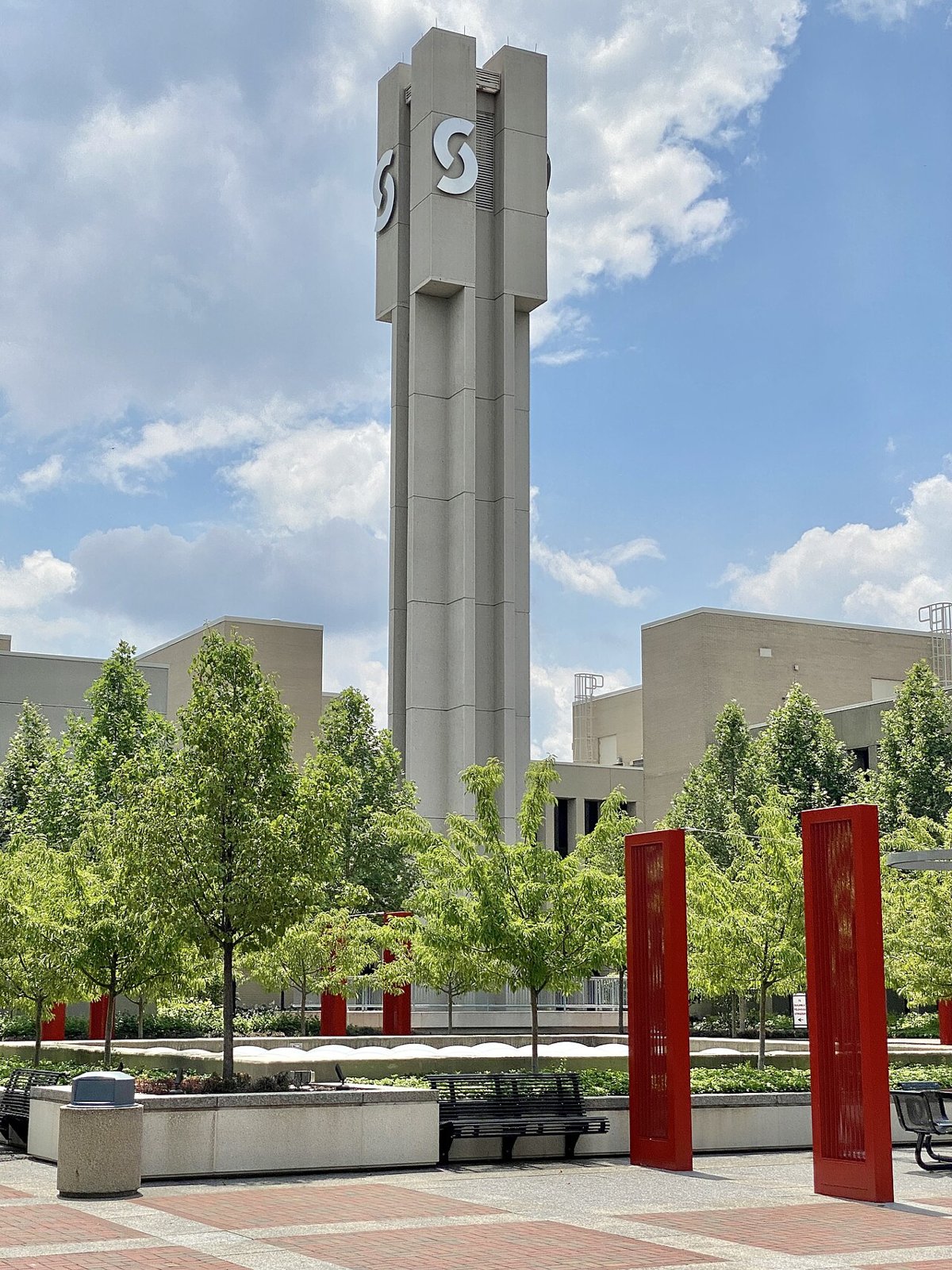
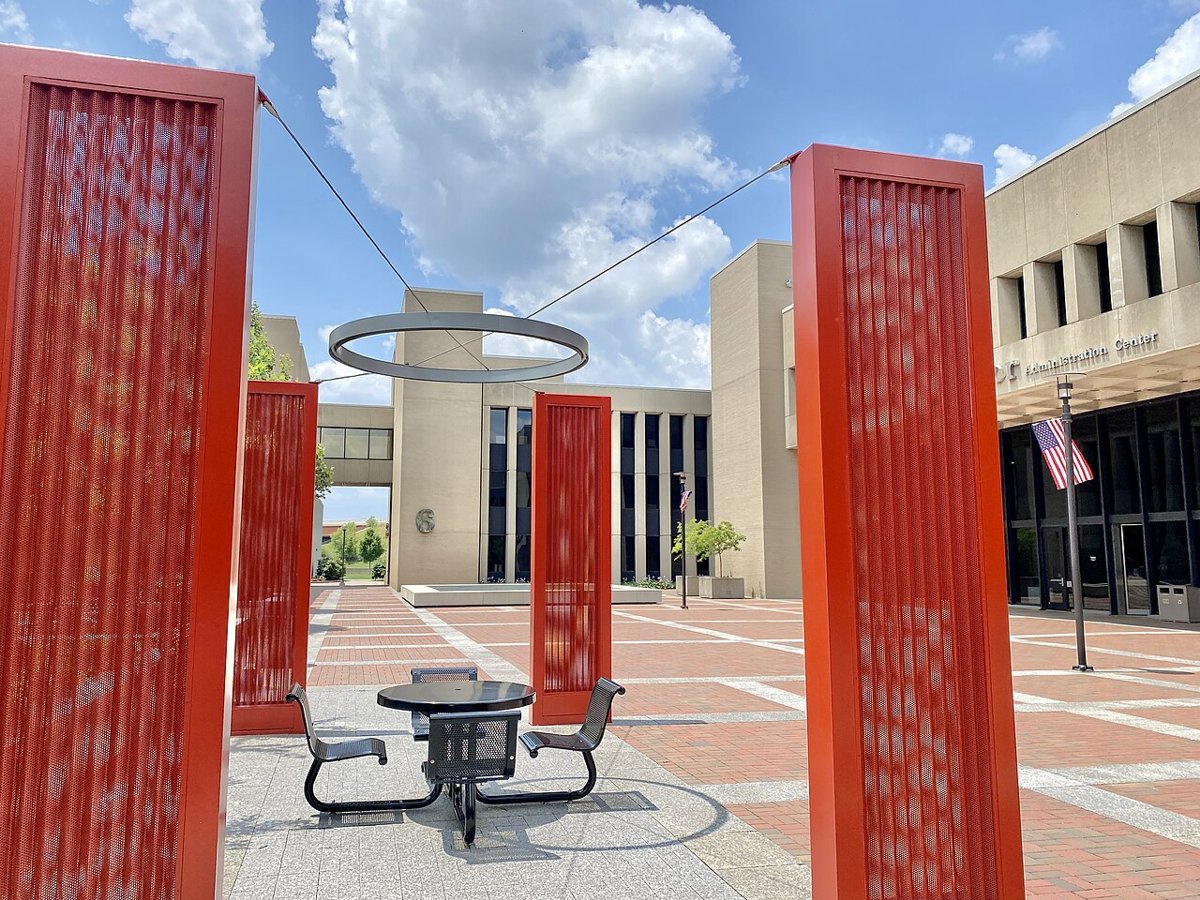
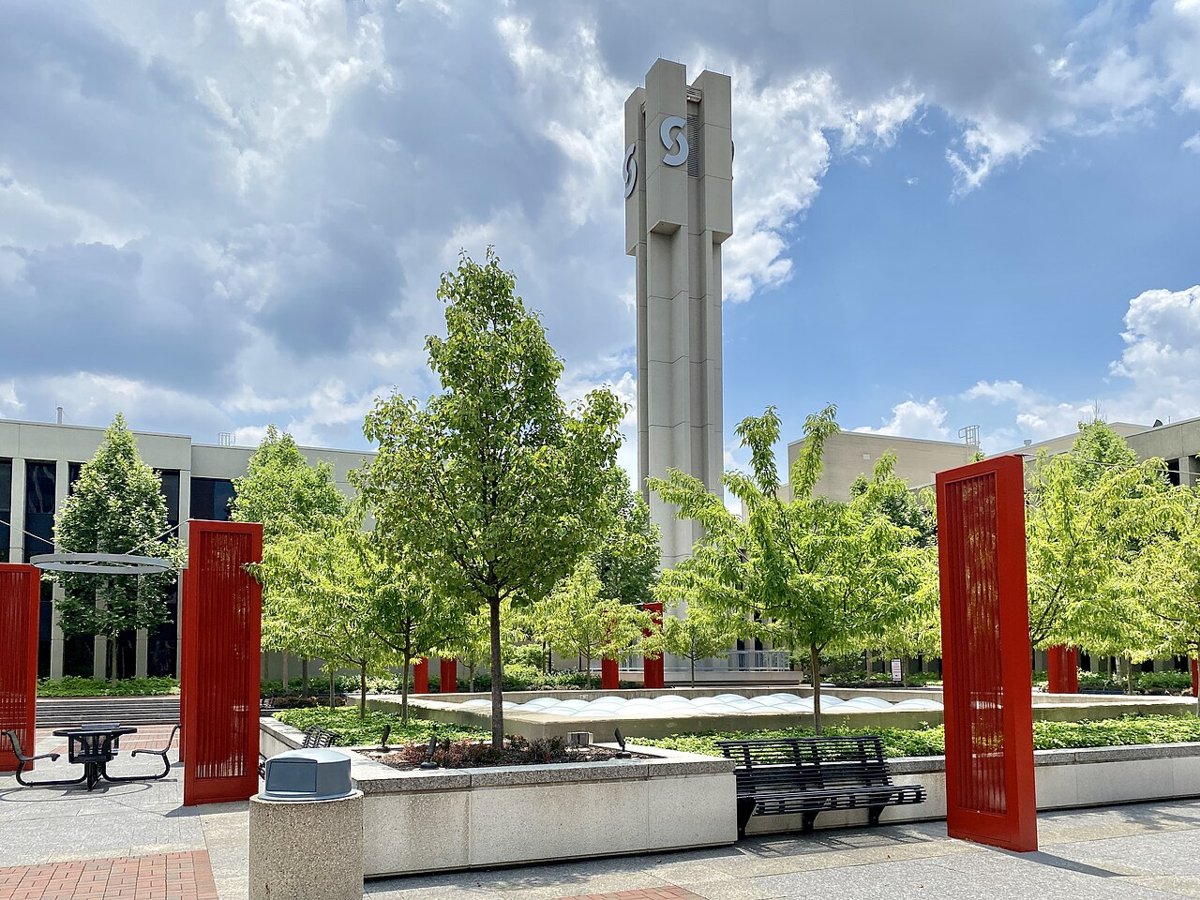
With 98% of students coming from Ohio, most commute from home rather than living in dorms. The 15:1 student-faculty ratio means smaller classes where professors actually know your name. Students often grab lunch between classes at the student center or nearby downtown spots. Weekends tend to be quieter since this is primarily a commuter campus. The 88% employment rate shows most graduates land jobs quickly, earning a median of $38,000 in their first year out. Monthly loan payments average just $127, making this one of the more affordable paths to a degree or certificate in the Miami Valley.
- Setting
- City-Midsize
- Calendar System
- Semester
- Founded
- 1887
Campus Safety (2023)
22 total reported incidents. Source: Clery Act / U.S. Department of Education
| Offense | On Campus | Residential | Noncampus | Public Property |
|---|---|---|---|---|
| Burglary | 6 | 0 | 0 | 0 |
| Stalking | 5 | 0 | 0 | 0 |
| Motor Vehicle Theft | 2 | 0 | 2 | 0 |
| Robbery | 1 | 0 | 0 | 2 |
| Aggravated Assault | 0 | 0 | 0 | 1 |
| Arson | 0 | 0 | 0 | 1 |
| Domestic Violence | 0 | 0 | 0 | 1 |
| Fondling | 0 | 0 | 0 | 1 |
Climate & Weather
- January Avg
- 21°–36°F
- July Avg
- 66°–87°F
- Annual Precipitation
- 40.3"
- Annual Snowfall
- -765.4"
Student Demographics
- Men
- 44.3%
- Women
- 55.7%
- White
- 62.1%
- Black
- 17.3%
- Hispanic
- 5.4%
- Asian
- 2.2%
- In-State Students
- 98.3%
- Pell Grant Recipients
- 26.6%
Location
- Address
- Dayton, Ohio 45402-1460
After College
Source: College Scorecard / U.S. Department of Education
- Median Earnings (10 years)
- $37,558
- Median Earnings (5 years)
- $45,851
- Mean Earnings (6 years after entry)
- $27,200
- Loan Repayment Rate
- 30.0%
- Monthly Loan Payment
- $127/mo
- Median Debt at Graduation
- $12,000
Frequently Asked Questions
What is the admission process like at Sinclair Community College?
Sinclair Community College maintains open enrollment as a community college, welcoming students with diverse academic backgrounds. With 12,585 students enrolled, the college serves as an accessible entry point for higher education in the Dayton area. Nearly all students are Ohio residents, with 98.26% coming from in-state.
How much does Sinclair Community College cost after financial aid?
Students pay an average net price of $5,741 after financial aid, making it one of the most affordable options in Ohio. In-state tuition starts at just $3,435, while families earning under $30,000 pay only $3,855 after aid. The typical graduate leaves with $12,000 in debt and monthly loan payments of $127.
What are the academics like at Sinclair Community College?
Classes maintain a 15:1 student-faculty ratio, providing personalized attention in a community college setting. The college operates on a semester system and focuses heavily on career-oriented programs and workforce development. Students benefit from small class sizes that support hands-on learning in technical and professional fields.
What job outcomes can graduates expect from Sinclair Community College?
Graduates achieve an 88.7% employment rate, reflecting strong connections to local employers in the Dayton region. Median earnings reach $37,558 ten years after graduation, with many students entering skilled trades and healthcare fields. The college's emphasis on practical training helps students transition quickly into the workforce.
Where is Sinclair Community College located and what is campus life like?
The college sits in downtown Dayton, a mid-size city that offers urban amenities and job opportunities. Women make up 55.69% of the student body, while the campus serves a diverse population including 17.27% Black students. The urban setting provides internship and employment connections throughout the greater Dayton metropolitan area.
Does Sinclair Community College have a strong history in the community?
Founded in 1887, Sinclair has served the Dayton community for over 135 years as one of Ohio's oldest community colleges. The Tartan Pride teams represent a college deeply rooted in local tradition and workforce development. Its long history reflects a commitment to providing accessible education and meeting regional economic needs.