About Skyline College
The financial picture tells a compelling story. Students actually receive money back after aid, with an average net price of negative $1,180 annually. In-state tuition costs just $1,332 before financial assistance kicks in. Graduates earn a median of $55,702 ten years after starting, making this one of the strongest return-on-investment options in California higher education. Only 0.40% of students take federal loans, reflecting the school's affordability.
The student body reflects the Bay Area's diversity, with 34.37% Hispanic students and 30.62% Asian students creating a multicultural learning environment. About 90% of students come from California. The 28:1 student-faculty ratio means larger class sizes, but the school compensates with strong transfer counseling services. Eight varsity sports programs compete under the Trojans nickname, though athletics take a backseat to academics for most of the 154 student-athletes.
Academics & Faculty
Source: College Scorecard / U.S. Department of Education
- Student-to-Faculty Ratio
- 28:1
- Full-Time Faculty
- 44.4%
- Graduation Rate (4-year)
- 40.8%
- Graduation Rate (6-year)
- 41.4%
- Median Earnings (10 years)
- $55,702
Popular Programs by Earnings
| Program | Level | Median Earnings |
|---|---|---|
| Allied Health Diagnostic, Intervention, and Treatment Professions. | Associate | $83,546 |
| Vehicle Maintenance and Repair Technologies. | Associate | $43,798 |
Campus Life
The diverse student body reflects the region's demographics, with 34.37% Hispanic and 30.62% Asian students creating a multicultural environment. With a 28:1 student-faculty ratio, expect larger class sizes typical of community colleges. Most of your classmates juggle work and family responsibilities alongside studies. The 91.5% employment rate suggests many students work while attending classes. Weekend social life centers around off-campus activities in nearby San Francisco or local Peninsula communities rather than traditional college parties. Students often transfer to four-year universities after completing their associate degrees, with the 41.40% six-year graduation rate reflecting the typical community college pathway of stopping and starting education around life demands.
- Setting
- Suburb-Large
- Calendar System
- Semester
- Study Abroad
- Available
- Founded
- 1960
Campus Safety (2023)
1 total reported incident. Source: Clery Act / U.S. Department of Education
| Offense | On Campus | Residential | Noncampus | Public Property |
|---|---|---|---|---|
| Aggravated Assault | 1 | 0 | 0 | 0 |
Climate & Weather
- January Avg
- 45°–58°F
- July Avg
- 52°–69°F
- Annual Precipitation
- 31.9"
- Annual Snowfall
- 0.0"
Student Demographics
- Men
- 45.7%
- Women
- 54.3%
- White
- 18.3%
- Black
- 2.9%
- Hispanic
- 34.4%
- Asian
- 30.6%
- In-State Students
- 90.0%
- Pell Grant Recipients
- 10.1%
Location
- Address
- San Bruno, California 94066-1698
After College
Source: College Scorecard / U.S. Department of Education
- Median Earnings (10 years)
- $55,702
- Median Earnings (5 years)
- $64,375
- Mean Earnings (6 years after entry)
- $36,300
- Loan Repayment Rate
- 51.4%
Frequently Asked Questions
What are the admission requirements at Skyline College?
Skyline College maintains an open admission policy as a community college, welcoming students regardless of their academic background. The college serves 7,132 students and focuses on providing accessible education to the San Francisco Bay Area community. Most students begin here to complete general education requirements before transferring to four-year universities.
How much does Skyline College cost after financial aid?
Students at Skyline College actually receive an average net price of negative $1,180, meaning financial aid exceeds the cost of attendance. In-state tuition is just $1,332 per year, making this one of the most affordable educational options in California. The college's low costs reflect its mission as a community college serving local students.
What is the student-faculty ratio at Skyline College?
Skyline College has a student-faculty ratio of 28:1, which is typical for community colleges but higher than most four-year institutions. The college operates on a semester calendar system and focuses on transfer preparation and career training programs. Despite larger class sizes, the college maintains strong connections to local employers and four-year universities.
What are the graduation rates at Skyline College?
Skyline College has a six-year graduation rate of 41.40% and a four-year rate of 40.82%. These rates reflect the college's role as a transfer institution where many students complete two years before moving to four-year universities. Graduates earn a median salary of $55,702 ten years after enrollment, demonstrating strong career outcomes.
Where is Skyline College located and what is campus life like?
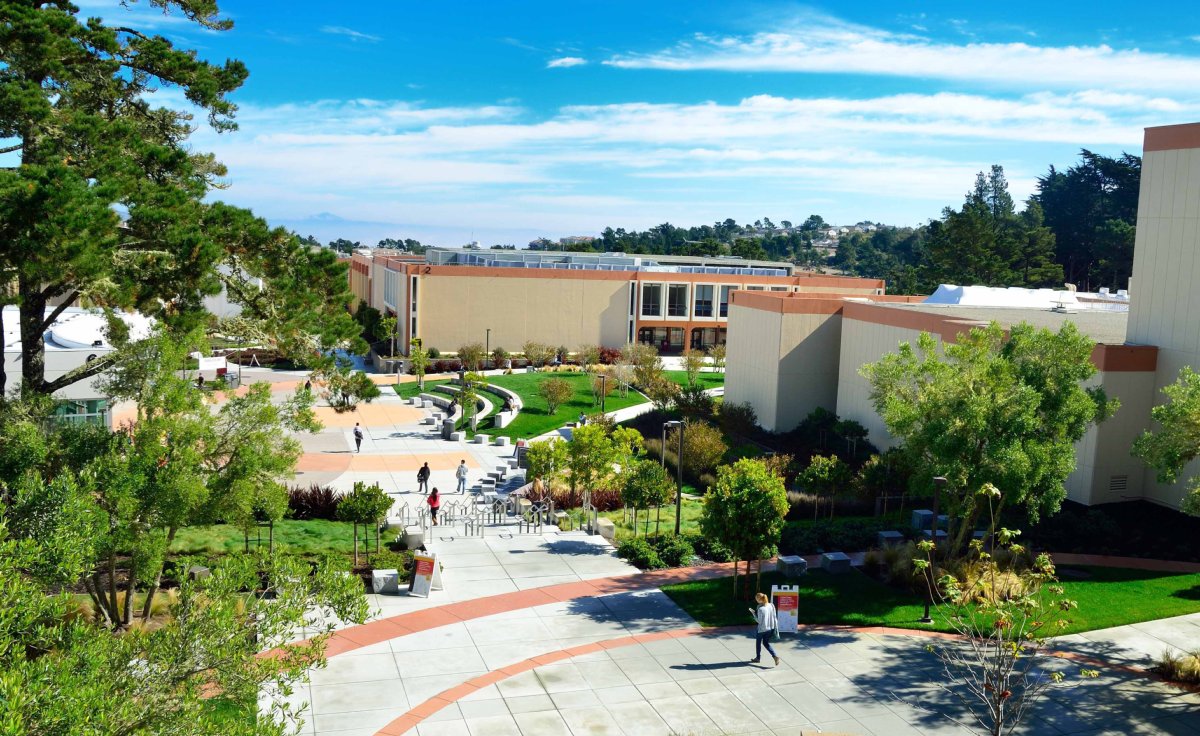
Skyline College sits in San Bruno, California, in a large suburban setting between San Francisco and Silicon Valley. The college fields eight varsity sports with 154 total athletes competing as the Trojans. With 54.26% women and a diverse student body that is 34.37% Hispanic and 30.62% Asian, the campus reflects the Bay Area's multicultural community.
Does Skyline College have strong job placement rates?
Skyline College boasts an impressive employment rate of 91.5% for its graduates. Students earn a median of $32,381 one year after graduation, which typically increases as they advance in their careers or complete bachelor's degrees. The college's location in the Bay Area provides excellent internship and job opportunities in technology and other growing industries.