

About Snead State Community College
Students here pay an average net price of $6,369, making it one of the more affordable options in Alabama. In-state tuition runs $5,472, while those from low-income families pay even less at $5,408 after aid. Graduates earn a median of $35,735 ten years out, with typical debt loads of just $9,000. Monthly loan payments average $95, which is manageable given the employment rate of 93.3%. The math works for most students seeking career training or an affordable start to their four-year degree.
Women make up 64.12% of the student body, and 95.36% come from Alabama. The campus houses only 87 students, so most commute from the surrounding area. Eight varsity sports compete in the NJCAA, with 127 total athletes receiving $741,445 in athletic scholarships. The 21:1 student-faculty ratio ensures personal attention in this tight-knit academic community.
Academics & Faculty
Source: College Scorecard / U.S. Department of Education
- Student-to-Faculty Ratio
- 21:1
- Full-Time Faculty
- 33.6%
- Graduation Rate (6-year)
- 48.5%
- Median Earnings (10 years)
- $35,735
Popular Programs by Earnings
| Program | Level | Median Earnings |
|---|---|---|
| Registered Nursing, Nursing Administration, Nursing Research and Clinical Nursing. | Associate | $52,822 |
| Computer and Information Sciences, General. | Associate | $33,993 |
| Liberal Arts and Sciences, General Studies and Humanities. | Associate | $21,280 |
| Business Operations Support and Assistant Services. | Associate | $19,592 |
Campus Life
The campus feels intimate with a 21:1 student-faculty ratio, though classes can still fill up quickly. North Alabama's humid subtropical climate means you'll need both a winter coat for January lows in the 30s and plenty of sunscreen for scorching summer heat. The Parsons compete in 8 NJCAA sports with $741,445 in athletic scholarships supporting 127 athletes. Weekend life revolves around commuter rhythms rather than campus traditions. Many students work part-time jobs since 34% receive Pell Grants and the average debt load hits $9,000. The employment rate reaches 93% after graduation, reflecting strong workforce preparation programs that serve the region's manufacturing and healthcare sectors.
- Setting
- Town-Distant
- Housing Capacity
- 87 beds
- Calendar System
- Semester
Campus Safety (2023)
No reported Clery Act crimes in 2023.
Climate & Weather
- January Avg
- 33°–50°F
- July Avg
- 71°–88°F
- Annual Precipitation
- 56.8"
- Annual Snowfall
- 0.7"
Student Demographics
- Men
- 35.9%
- Women
- 64.1%
- White
- 64.3%
- Black
- 7.6%
- Hispanic
- 22.4%
- Asian
- 0.7%
- In-State Students
- 95.4%
- Pell Grant Recipients
- 33.6%
Location
- Address
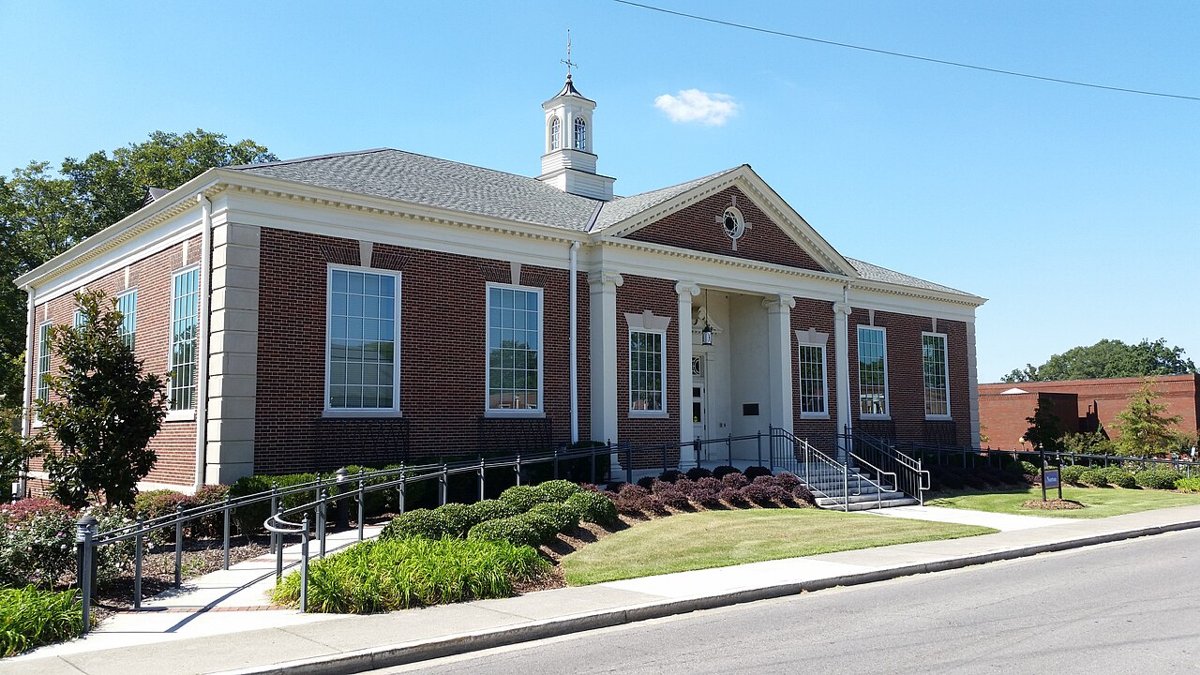
- Boaz, Alabama 35957-0734
After College
Source: College Scorecard / U.S. Department of Education
- Median Earnings (10 years)
- $35,735
- Median Earnings (5 years)
- $39,738
- Mean Earnings (6 years after entry)
- $25,700
- Loan Repayment Rate
- 35.3%
- Monthly Loan Payment
- $95/mo
- Median Debt at Graduation
- $9,000
Frequently Asked Questions
What is the admission process like at Snead State Community College?
Snead State has an open admission policy typical of community colleges, welcoming students regardless of previous academic performance. With 1,494 enrolled students, the college serves as an accessible entry point to higher education in north Alabama. The student body is 95.36% in-state residents, reflecting its role as a local educational resource.
How much does Snead State Community College cost after financial aid?
The average net price is $6,369, making it an affordable option for most families. Students from families earning under $30,000 pay just $5,408 after aid, while even higher-income families ($110K+) pay $9,550. With median debt of only $9,000 and monthly loan payments of $95, graduates avoid the heavy debt burden common at four-year schools.
What are the academic programs like at Snead State Community College?
The college maintains a 21:1 student-faculty ratio, ensuring reasonable class sizes for personalized attention. Known for its career-focused programs and transfer pathways, Snead State operates on a semester system. Only 23.43% of students receive institutional grants averaging $5,411, as most aid comes from federal sources.
What career outcomes can graduates expect from Snead State Community College?
Graduates earn a median salary of $35,735 ten years after enrollment, with strong employment prospects at 93.3%. The college excels at preparing students for immediate workforce entry in technical fields. However, the 48.50% six-year graduation rate reflects the challenge many community college students face balancing work and family obligations.
What is campus life like at Snead State Community College?
The campus in Boaz offers limited residential options with housing for just 87 students at $4,700 annually. Most of the 64.12% female student body commutes from the surrounding area. The Parsons compete in eight NJCAA sports with 127 total athletes supported by $741,445 in athletic scholarships.
How diverse is the student population at Snead State Community College?
The student body is 64.26% White and 22.42% Hispanic, reflecting Alabama's changing demographics. With 33.59% of students receiving Pell Grants, the college serves many first-generation and low-income students. The relatively high Hispanic enrollment distinguishes Snead State from many rural Alabama institutions.
Similar Schools

George C Wallace State Community College-Selma
Selma, Alabama
Lurleen B Wallace Community College
Andalusia, Alabama

Enterprise State Community College
Enterprise, Alabama
University of Montevallo
Montevallo, Alabama

Central Alabama Community College
Alexander City, Alabama

Chattahoochee Valley Community College
Phenix City, Alabama