
About Southern Adventist University
The financial picture tells a practical story. Students typically pay around $24,334 after aid, considerably less than the sticker price of $35,150. Graduates earn a median of $53,723 ten years out, making the typical debt load of $24,500 manageable with monthly payments around $260. About 31% of students receive Pell Grants, and the school keeps costs reasonable with institutional grants averaging $12,862.
The 16:1 student-faculty ratio allows for personal attention, though the 51% graduation rate suggests the rigorous Christian academic environment challenges some students. With 82% of freshmen returning for sophomore year, most find their fit early. The campus houses 1,500 students in residence halls where Adventist lifestyle principles shape daily routines and community standards.
Academics & Faculty
Source: College Scorecard / U.S. Department of Education
- Student-to-Faculty Ratio
- 16:1
- Full-Time Faculty
- 99.4%
- Graduation Rate (4-year)
- 51.6%
- Graduation Rate (6-year)
- 51.4%
- Retention Rate
- 82.1%
- Median Earnings (10 years)
- $53,723
- Carnegie Classification
- Master's University (Medium)
Popular Programs by Earnings
| Program | Level | Median Earnings |
|---|---|---|
| Registered Nursing, Nursing Administration, Nursing Research and Clinical Nursing. | Master | $92,277 |
| Registered Nursing, Nursing Administration, Nursing Research and Clinical Nursing. | Bachelor | $53,579 |
| Social Work. | Master | $38,829 |
| Business Administration, Management and Operations. | Bachelor | $34,530 |
| Theological and Ministerial Studies. | Bachelor | $32,925 |
Campus Life
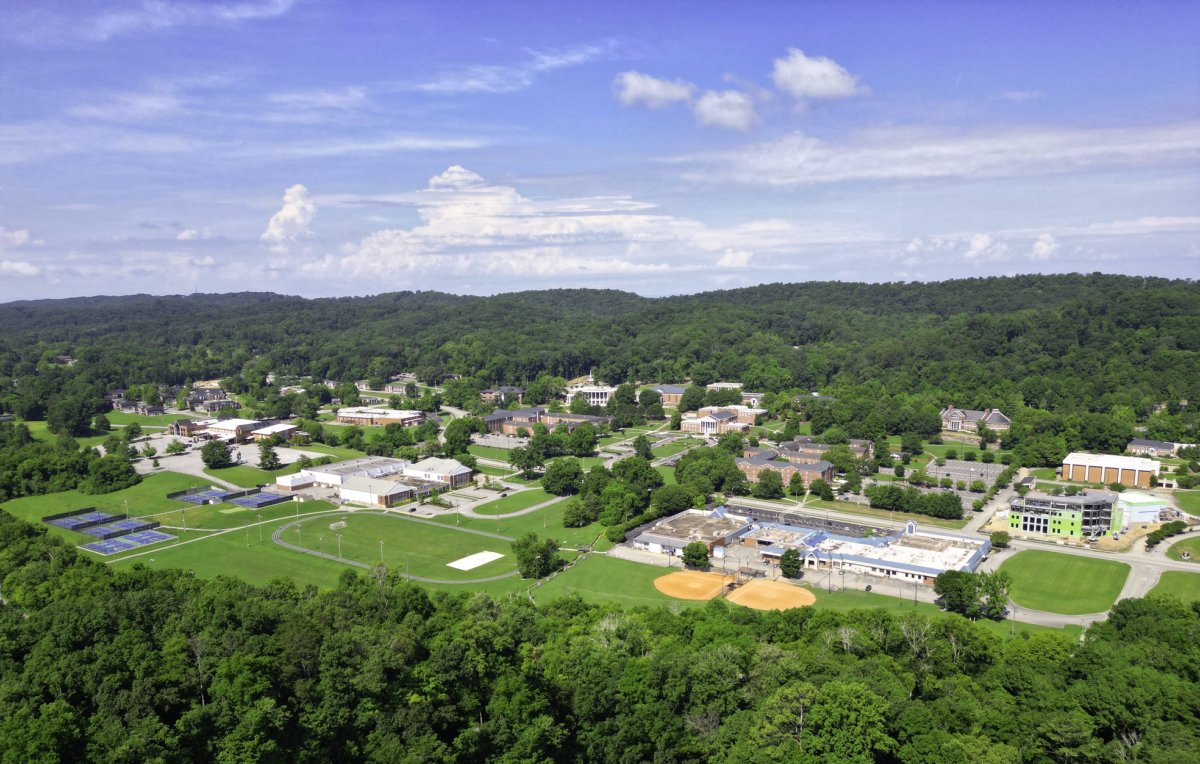
Seventh-day Adventist traditions shape campus life in distinctive ways. Classes don't meet on Saturdays, the Sabbath, creating a unique weekly rhythm. Students attend Friday evening vespers and Saturday morning church services as part of the religious culture. The 54% female, 46% male student body represents diverse backgrounds, with 38.8% White, 26.1% Hispanic, and 13.7% Asian students. Weekends often center around outdoor activities in Tennessee's natural settings, intramural sports, and community service projects. The student-faculty ratio of 16:1 means professors know students personally. Campus dining emphasizes vegetarian options, reflecting Adventist health principles that influence daily meal choices and lifestyle habits.
- Setting
- Suburb-Large
- Housing Capacity
- 1,500 beds
- Calendar System
- Semester
- Study Abroad
- Available
- Founded
- 1892
Campus Safety (2023)
7 total reported incidents. Source: Clery Act / U.S. Department of Education
| Offense | On Campus | Residential | Noncampus | Public Property |
|---|---|---|---|---|
| Domestic Violence | 1 | 1 | 0 | 0 |
| Rape | 1 | 1 | 0 | 0 |
| Stalking | 2 | 0 | 0 | 0 |
| Motor Vehicle Theft | 1 | 0 | 0 | 0 |
Climate & Weather
- January Avg
- 32°–51°F
- July Avg
- 71°–90°F
- Annual Precipitation
- 55.0"
- Annual Snowfall
- 3.6"
Student Demographics
- Men
- 45.9%
- Women
- 54.1%
- White
- 38.8%
- Black
- 6.4%
- Hispanic
- 26.1%
- Asian
- 13.7%
- In-State Students
- 21.3%
- Pell Grant Recipients
- 30.9%
Location
- Address
- Collegedale, Tennessee 37315-0370
After College
Source: College Scorecard / U.S. Department of Education
- Median Earnings (10 years)
- $53,723
- Median Earnings (5 years)
- $58,971
- Mean Earnings (6 years after entry)
- $35,400
- Loan Repayment Rate
- 62.7%
- Monthly Loan Payment
- $260/mo
- Median Debt at Graduation
- $24,500
Frequently Asked Questions
What is the acceptance rate at Southern Adventist University?
Southern Adventist University accepts 65.78% of applicants with an average SAT score of 1130. This Seventh-day Adventist institution prioritizes well-rounded admissions that align with their Christian mission and values.
How much does Southern Adventist University cost after financial aid?
The average net price is $24,334, though families earning under $30,000 pay just $19,100 after aid. Students graduate with a median debt of $24,500 and monthly loan payments of $260.
What is the student-faculty ratio at Southern Adventist University?
The student-faculty ratio is 16:1 across the 2,673-student campus. The university emphasizes personalized Christian education with strong programs in health sciences and ministry preparation.
What are the graduation rates at Southern Adventist University?
The 4-year graduation rate is 51.57% and 6-year rate is 51.40%. Graduates earn a median of $53,723 ten years after graduation with a 93.3% employment rate.
Where is Southern Adventist University located and what is campus life like?
The campus sits in Collegedale, Tennessee, housing 1,500 students in on-campus facilities. The suburban setting provides a close-knit Christian community atmosphere with an 82.05% retention rate.
Does Southern Adventist University follow Seventh-day Adventist principles?
Founded in 1892, the university operates under Seventh-day Adventist beliefs emphasizing health, service, and spiritual development. The diverse student body is 54.06% women with 38.76% White, 26.11% Hispanic, and 13.73% Asian students.