
About Southern Nazarene University
The financial picture proves manageable for most families despite the $29,600 sticker price. Students typically pay $17,838 after aid, making this private education surprisingly affordable. Graduates earn a median of $54,951 ten years after completing their degrees, while carrying median debt of just $21,900. Monthly loan payments average $232, creating a reasonable burden for working professionals. The university awards institutional grants averaging $19,948 to nearly 19% of students.
Athletics play a major role in campus culture through the Crimson Storm's 18 NCAA Division II programs. The university invests $4.7 million in athletic scholarships for 565 student-athletes competing in the Great American Conference. Despite strong campus engagement, graduation rates lag at 53% within four years, suggesting students may need extra support to complete their degrees successfully.
Academics & Faculty
Source: College Scorecard / U.S. Department of Education
- Student-to-Faculty Ratio
- 11:1
- Full-Time Faculty
- 50.4%
- Graduation Rate (4-year)
- 52.9%
- Graduation Rate (6-year)
- 48.8%
- Retention Rate
- 91.7%
- Median Earnings (10 years)
- $54,951
- Carnegie Classification
- Master's University (Large)
Popular Programs by Earnings
| Program | Level | Median Earnings |
|---|---|---|
| Registered Nursing, Nursing Administration, Nursing Research and Clinical Nursing. | Bachelor | $58,673 |
| Business Administration, Management and Operations. | Master | $58,092 |
| Health and Medical Administrative Services. | Master | $57,318 |
| Human Resources Management and Services. | Bachelor | $53,537 |
| Education, General. | Master | $50,717 |
| Educational Administration and Supervision. | Master | $49,787 |
| Business Administration, Management and Operations. | Bachelor | $48,432 |
| Health and Physical Education/Fitness. | Bachelor | $38,289 |
| Teacher Education and Professional Development, Specific Levels and Methods. | Bachelor | $36,992 |
| Mental and Social Health Services and Allied Professions. | Master | $35,714 |
Campus Life
The 11:1 student-faculty ratio means professors know your name and your struggles. Chapel services bring the campus together regularly, reflecting the Church of the Nazarene heritage that shapes campus culture. With 565 student-athletes competing across 18 varsity sports as the Crimson Storm, game days energize the community. Students often head into Oklahoma City on weekends for concerts, restaurants, and internship opportunities. The 91.67% retention rate suggests most students find their place here, whether through campus ministries, athletic teams, or academic programs that prepare them for the $54,951 median earnings they'll see a decade after graduation.
- Setting
- Suburb-Large
- Housing Capacity
- 690 beds
- Calendar System
- Semester
- Study Abroad
- Available
- Founded
- 1899
Campus Safety (2023)
4 total reported incidents. Source: Clery Act / U.S. Department of Education
| Offense | On Campus | Residential | Noncampus | Public Property |
|---|---|---|---|---|
| Stalking | 2 | 0 | 0 | 0 |
| Burglary | 1 | 0 | 0 | 0 |
| Domestic Violence | 1 | 0 | 0 | 0 |
Climate & Weather
- January Avg
- 27°–48°F
- July Avg
- 71°–93°F
- Annual Precipitation
- 32.4"
- Annual Snowfall
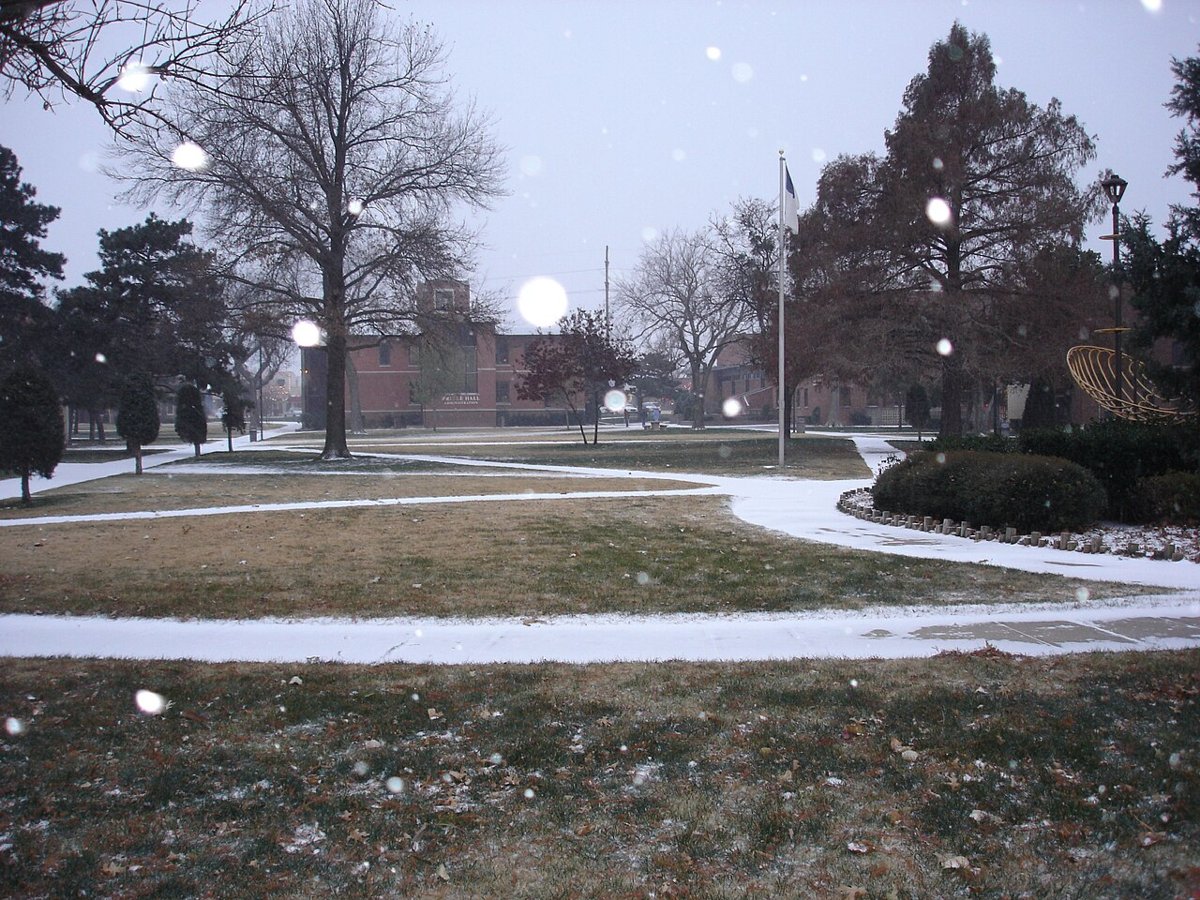
- 0.0"
Student Demographics
- Men
- 47.8%
- Women
- 52.2%
- White
- 50.2%
- Black
- 13.7%
- Hispanic
- 17.8%
- Asian
- 1.4%
- In-State Students
- 66.0%
- Pell Grant Recipients
- 45.4%
Location
- Address
- Bethany, Oklahoma 73008

After College
Source: College Scorecard / U.S. Department of Education
- Median Earnings (10 years)
- $54,951
- Median Earnings (5 years)
- $56,366
- Mean Earnings (6 years after entry)
- $45,400
- Loan Repayment Rate
- 60.9%
- Monthly Loan Payment
- $232/mo
- Median Debt at Graduation
- $21,900
Frequently Asked Questions
What is Southern Nazarene University known for academically?
Southern Nazarene University maintains an 11:1 student-faculty ratio that allows for personalized attention in its Christian liberal arts programs. The university has built a strong reputation for nursing, education, and business programs rooted in Nazarene values. With a 91.67% retention rate, students clearly connect with the faith-integrated academic environment.
How much does Southern Nazarene University cost after financial aid?
Students at Southern Nazarene University pay an average net price of $17,838 after aid, below the $29,600 sticker price. The university provides institutional grants averaging $19,948 to 18.64% of students. Graduates typically leave with $21,900 in debt and monthly loan payments of $232.
What are the graduation rates at Southern Nazarene University?
Southern Nazarene University graduates 52.91% of students in four years and 48.80% within six years. These rates reflect the challenges many small Christian universities face in student completion. However, graduates earn a median of $54,951 ten years after enrollment, demonstrating solid career outcomes.
Where is Southern Nazarene University located and what is campus life like?
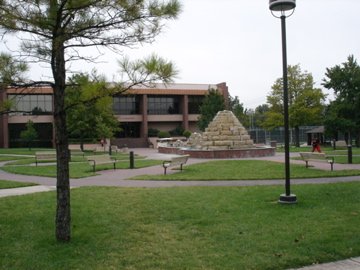
Southern Nazarene University sits in Bethany, Oklahoma, a large suburb that provides easy access to Oklahoma City. The campus houses 690 students in residence halls, creating a tight-knit community atmosphere. With 565 student-athletes competing in 18 NCAA Division II sports, the Crimson Storm athletic programs are central to campus culture.
Does Southern Nazarene University provide good value for students?
Southern Nazarene University offers strong value with 96% employment rates for graduates and median earnings of $54,951 within ten years. Students from families earning under $30,000 pay just $15,195 net price annually. The combination of small classes, career outcomes, and affordable aid packages appeals to many Oklahoma families.
What makes Southern Nazarene University unique among Oklahoma colleges?
Southern Nazarene University stands out as one of Oklahoma's few remaining Church of the Nazarene institutions, founded in 1899 with a mission of well-rounded Christian education. The university awards $4,710,393 in athletic scholarships across its robust NCAA Division II program. Its diverse student body includes 66.02% Oklahoma residents alongside students seeking a faith-based education from across the region.