About Spoon River College
Students pay an average of $6,584 after financial aid, making this one of the most affordable pathways to career training in Illinois. Graduates earn a median of $38,386 ten years after enrollment, providing solid returns on their educational investment. Only 7.43% of students take federal loans, reflecting the college's affordability and the strong local job market for its graduates. The low debt burden means students can start careers without overwhelming monthly payments.
Women make up 67.62% of enrollment, reflecting strong programs in nursing and education. The Snappers compete in five varsity sports with 90 total athletes supported by $240,022 in athletic scholarships. Nearly all students come from Illinois, creating a tight-knit community atmosphere where classmates often become lifelong professional networks.
Academics & Faculty
Source: College Scorecard / U.S. Department of Education
- Student-to-Faculty Ratio
- 15:1
- Full-Time Faculty
- 43.3%
- Graduation Rate (6-year)
- 43.1%
- Median Earnings (10 years)
- $38,386
Campus Life
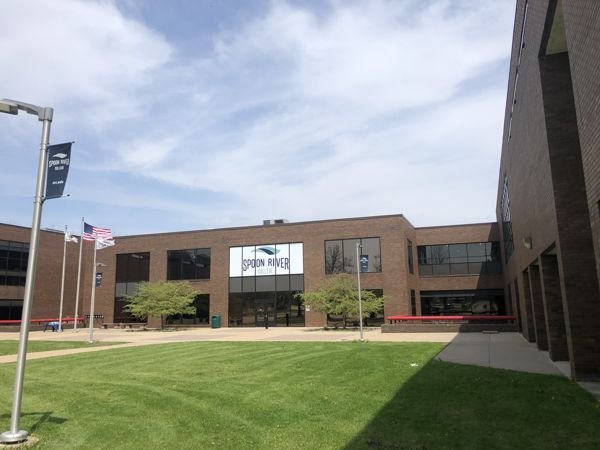
Most students commute from surrounding towns since this is a traditional community college without dormitories. The 15:1 student-faculty ratio means professors learn your name quickly in smaller classrooms. Weekends often revolve around the Snappers athletic teams, with 90 total athletes competing across five sports in the NCCAA. The 90% in-state student body creates a tight-knit atmosphere where Central Illinois culture dominates. Many students work part-time jobs in Canton or nearby communities while completing their degrees. The rural setting offers outdoor activities like fishing and hiking, but students looking for city nightlife typically drive to Peoria for entertainment options.
- Setting
- Rural-Fringe
- Calendar System
- Semester
- Founded
- 1959
Campus Safety (2023)
No reported Clery Act crimes in 2023.
Climate & Weather
- January Avg
- 16°–33°F
- July Avg
- 65°–88°F
- Annual Precipitation
- 41.0"
- Annual Snowfall
- 27.9"
Student Demographics
- Men
- 32.4%
- Women
- 67.6%
- White
- 84.0%
- Black
- 8.2%
- Hispanic
- 4.4%
- Asian
- 0.5%
- In-State Students
- 90.3%
- Pell Grant Recipients
- 30.0%
Location
- Address
- Canton, Illinois 61520-8622
After College
Source: College Scorecard / U.S. Department of Education
- Median Earnings (10 years)
- $38,386
- Mean Earnings (6 years after entry)
- $27,900
- Loan Repayment Rate
- 42.8%
Frequently Asked Questions
What are the admission requirements at Spoon River College?
Spoon River College maintains an open enrollment policy typical of community colleges, serving 735 students in rural Illinois. The college draws heavily from the local area with 90.34% of students coming from in-state.
How much does Spoon River College cost after financial aid?
Students pay an average net price of $6,584 annually at Spoon River College. Low-income families earning under $30,000 pay just $5,228 on average, making this Canton-based community college affordable for working-class families.
What is the student-faculty ratio at Spoon River College?
Spoon River College maintains a 15:1 student-faculty ratio, providing personalized attention in a small-town setting. The college has built a reputation for hands-on learning and close mentorship since its founding in 1959.
What do graduates of Spoon River College earn after completing their programs?
Alumni earn a median salary of $38,386 ten years after enrollment, reflecting the college's focus on career-oriented programs. However, only 43.10% of students complete their programs within six years, which is common for community colleges serving working adults.
Is Spoon River College a diverse campus?
The student body is 67.62% women and predominantly white at 83.95%, reflecting the demographics of rural central Illinois. The college serves a traditional community college population with strong representation from first-generation college students.
Does Spoon River College offer athletic scholarships?
The Snappers compete in the NCCAA with 5 varsity sports and distribute $240,022 in athletic scholarships among 90 student-athletes. This small athletic program focuses on providing opportunities for local talent in the rural Canton community.