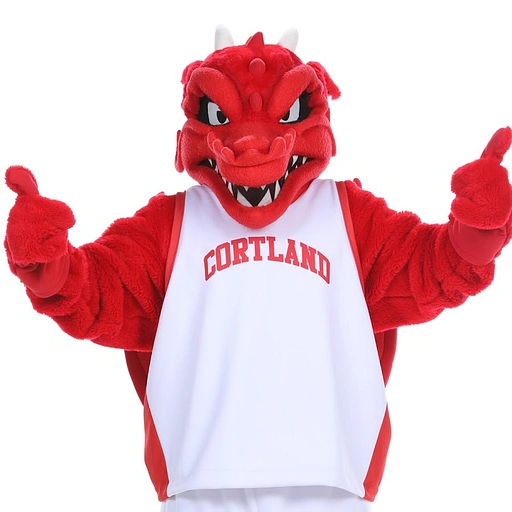
About State University of New York at Cortland
Students pay an average net price of $19,951, which drops based on family income. Families earning under $30,000 pay just $11,272 after aid. Graduates earn a median of $60,236 ten years after graduation, making the typical debt load of $21,500 manageable. The monthly loan payment of $228 represents a reasonable investment given the strong job market for teachers in New York. The 97.2% employment rate reflects the high demand for Cortland's education graduates.
The Red Dragons field 25 varsity sports in NCAA Division III, with 517 student-athletes competing without athletic scholarships. The 15:1 student-faculty ratio ensures personal attention in education courses and student teaching placements. With an 81% retention rate, most students find their fit quickly in this education-focused community.
Academics & Faculty
Source: College Scorecard / U.S. Department of Education
- Student-to-Faculty Ratio
- 15:1
- Full-Time Faculty
- 56.3%
- Graduation Rate (4-year)
- 68.5%
- Graduation Rate (6-year)
- 68.2%
- Retention Rate
- 80.8%
- Median Earnings (10 years)
- $60,236
- Carnegie Classification
- Master's University (Medium)
Popular Programs by Earnings
| Program | Level | Median Earnings |
|---|---|---|
| Educational Administration and Supervision. | Certificate | $77,401 |
| Communication Disorders Sciences and Services. | Master | $57,318 |
| Teacher Education and Professional Development, Specific Levels and Methods. | Master | $49,331 |
| Teacher Education and Professional Development, Specific Subject Areas. | Master | $48,789 |
| Special Education and Teaching. | Master | $48,703 |
| Special Education and Teaching. | Bachelor | $46,087 |
| Health and Physical Education/Fitness. | Master | $44,021 |
| Business/Managerial Economics. | Bachelor | $40,768 |
| Political Science and Government. | Bachelor | $40,551 |
| Allied Health Diagnostic, Intervention, and Treatment Professions. | Bachelor | $39,369 |
Campus Life
The Red Dragons compete in 25 Division III sports with 517 student-athletes, creating a strong athletic culture without the pressure of scholarships. Physical education and teacher preparation programs dominate academic life, reflecting the school's historic mission since 1868. Weekend activities center around campus events and outdoor recreation in the surrounding hills and lakes. With 96.89% of students coming from New York State, the community feels tight-knit and familiar. The 15:1 student-faculty ratio means professors know students personally, especially important in education programs that emphasize hands-on learning and student teaching placements throughout central New York.
- Setting
- Town-Distant
- Housing Capacity
- 3,110 beds
- Calendar System
- Semester
- Study Abroad
- Available
- Founded
- 1868
Campus Safety (2023)
81 total reported incidents. Source: Clery Act / U.S. Department of Education
| Offense | On Campus | Residential | Noncampus | Public Property |
|---|---|---|---|---|
| Dating Violence | 12 | 10 | 0 | 0 |
| Rape | 10 | 9 | 0 | 0 |
| Stalking | 10 | 6 | 0 | 0 |
| Fondling | 5 | 5 | 0 | 0 |
| Burglary | 4 | 4 | 0 | 0 |
| Domestic Violence | 3 | 2 | 0 | 0 |
| Aggravated Assault | 1 | 0 | 0 | 0 |
Climate & Weather
- January Avg
- 14°–30°F
- July Avg
- 59°–80°F
- Annual Precipitation
- 39.7"
- Annual Snowfall
- -687.4"
Student Demographics
- Men
- 46.9%
- Women
- 53.1%
- White
- 76.1%
- Black
- 4.1%
- Hispanic
- 12.3%
- Asian
- 1.2%
- In-State Students
- 96.9%
- Pell Grant Recipients
- 26.9%
Location
- Address
- Cortland, New York 13045-0900
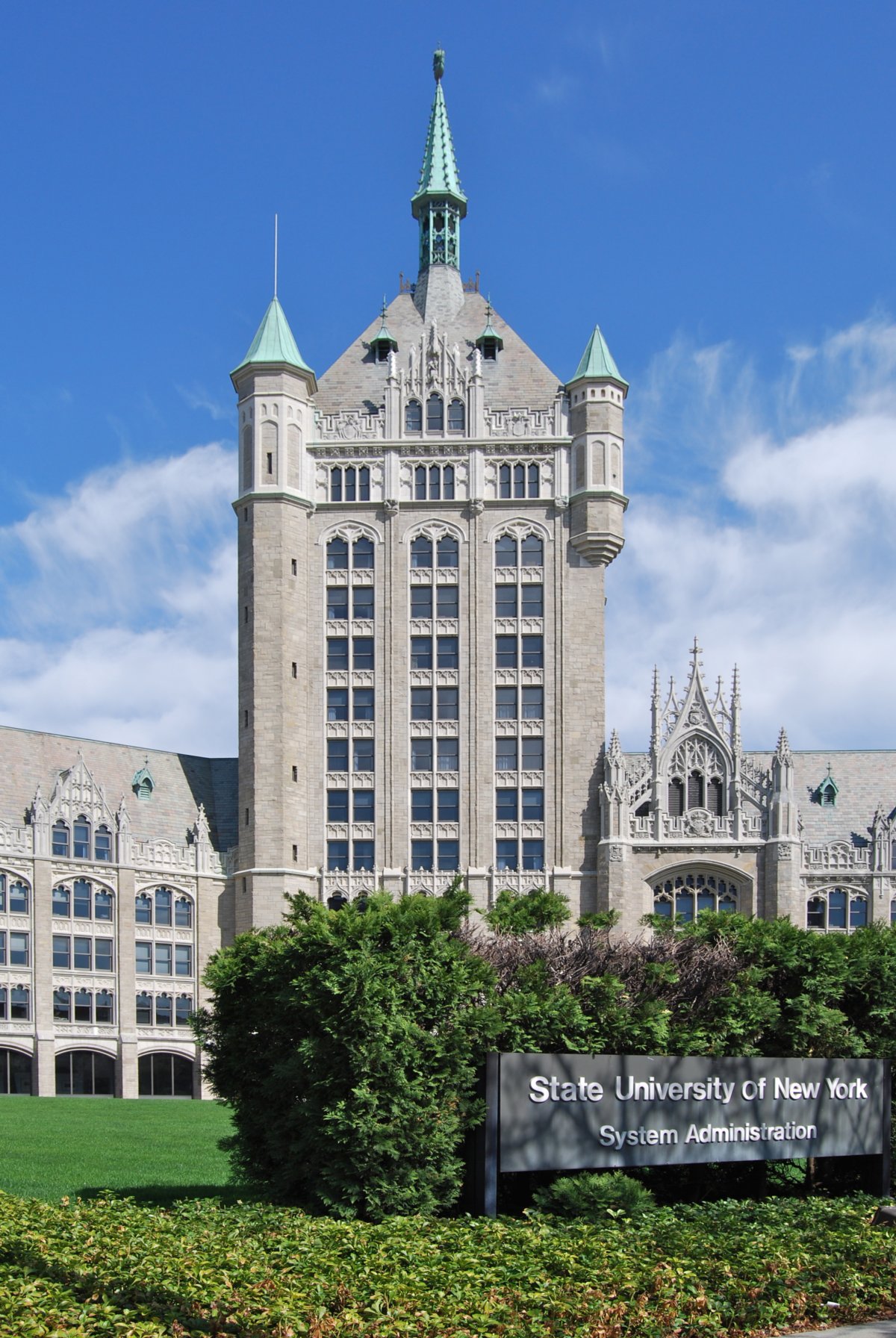
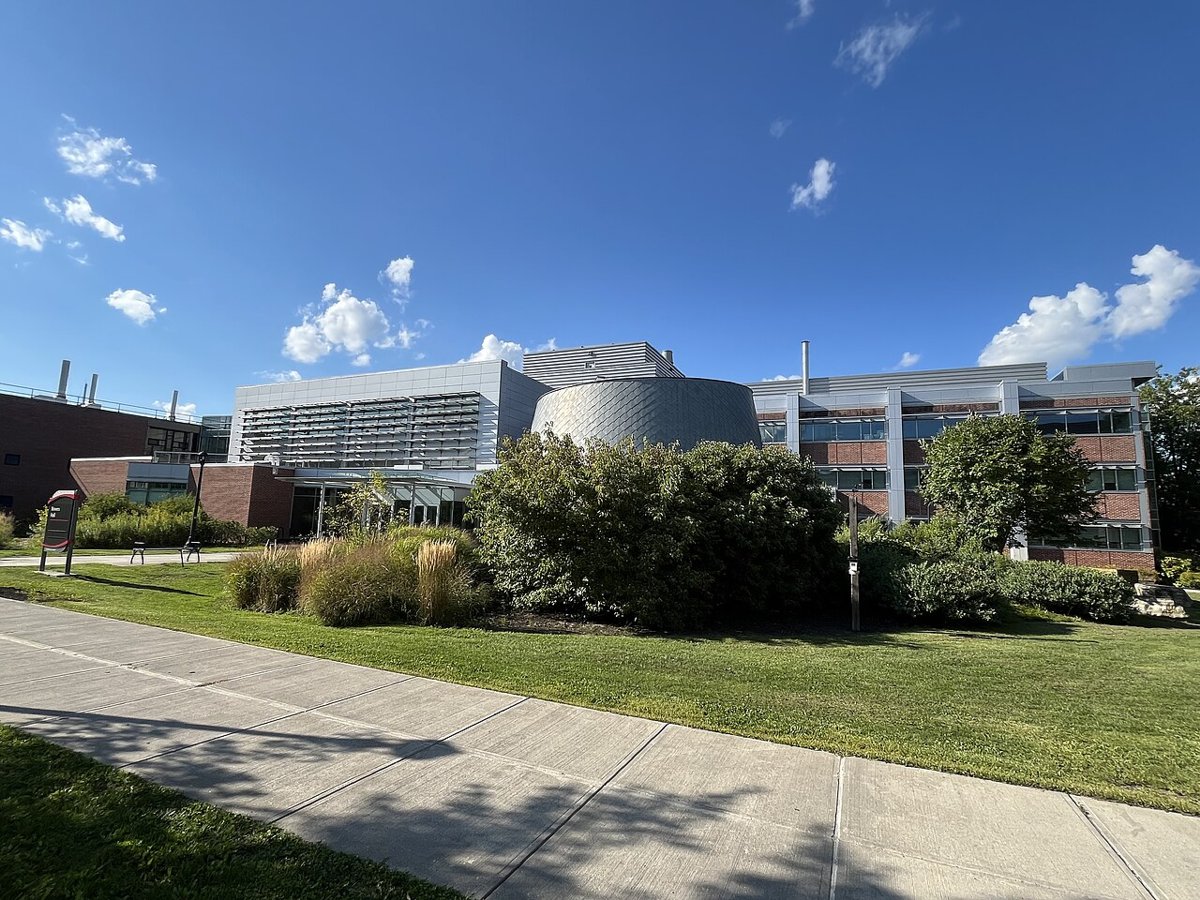
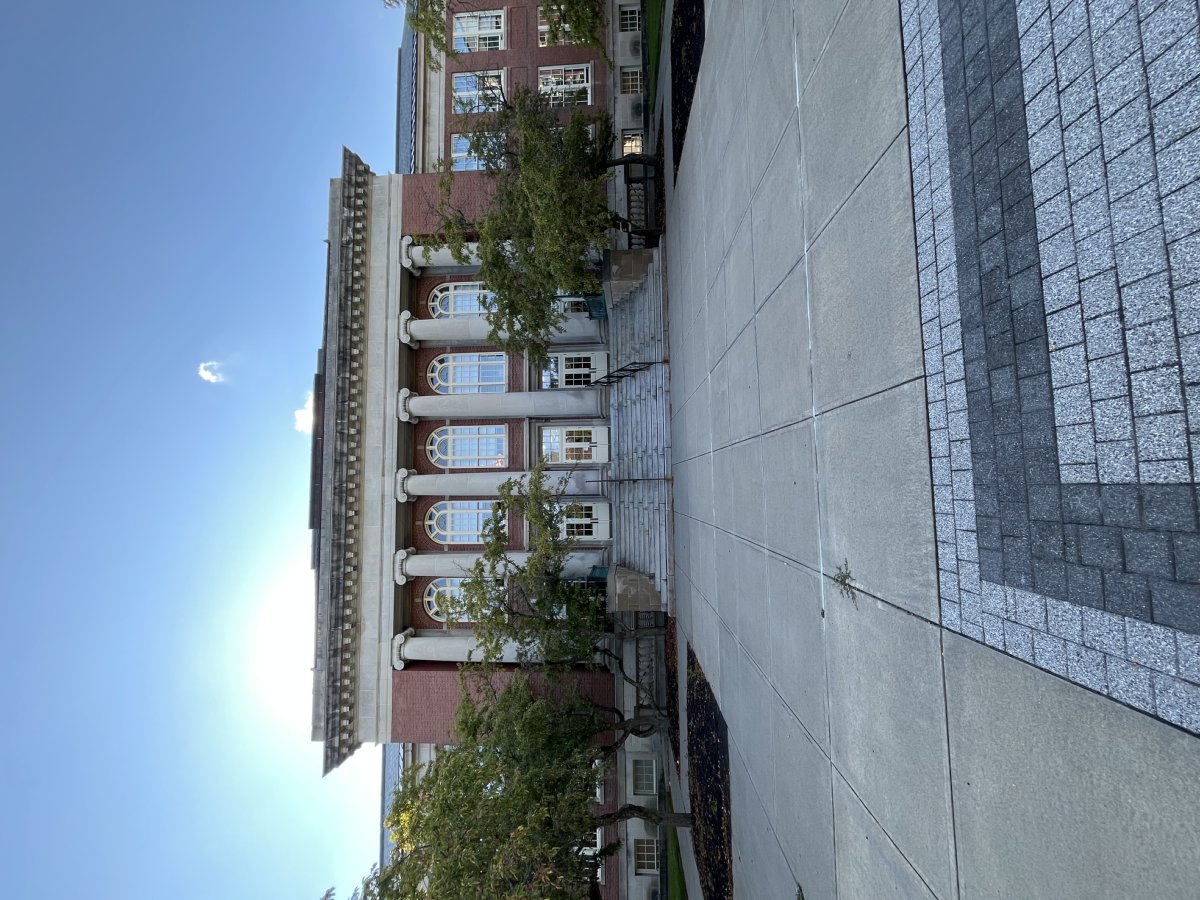
After College
Source: College Scorecard / U.S. Department of Education
- Median Earnings (10 years)
- $60,236
- Median Earnings (5 years)
- $60,759
- Mean Earnings (6 years after entry)
- $38,100
- Loan Repayment Rate
- 72.6%
- Monthly Loan Payment
- $228/mo
- Median Debt at Graduation
- $21,500
Frequently Asked Questions
What is the acceptance rate at State University of New York at Cortland?
SUNY Cortland accepts 59.78% of applicants, making it moderately selective. The school enrolls 5,896 students with a strong focus on education programs. With 96.89% of students coming from New York State, it primarily serves residents seeking affordable public education.
How much does State University of New York at Cortland cost after financial aid?
The average net price is $19,951 per year, though costs vary by family income. Students from families earning under $30,000 pay just $11,272 on average, while those from higher-income families pay up to $23,422. Graduates typically leave with $21,500 in debt and monthly loan payments of $228.
What academic programs is State University of New York at Cortland known for?
SUNY Cortland built its reputation on teacher education and physical education programs, dating back to its founding in 1868. The student-faculty ratio is 15:1, providing solid access to professors. The school maintains a 80.82% retention rate, indicating students generally stay satisfied with their academic experience.
What are the job prospects for State University of New York at Cortland graduates?
Graduates achieve a strong 97.2% employment rate within six years of graduation. The median earnings reach $60,236 ten years after graduation, reflecting the solid career outcomes typical of education and health-focused programs. However, the 68.20% six-year graduation rate suggests some students take longer to complete their degrees.
Where is State University of New York at Cortland located and what is campus life like?
The campus sits in Cortland, a small town in central New York that offers a classic college town atmosphere. Housing capacity reaches 3,110 students, accommodating about half the enrollment of 5,896. The Red Dragons compete in NCAA Division III with 25 varsity sports and 517 student athletes.
Does State University of New York at Cortland offer athletic scholarships?
SUNY Cortland awards $0 in athletic scholarships because it competes in NCAA Division III, where athletic scholarships are prohibited. The school fields 25 varsity sports with 517 student athletes who compete in the State University of New York Athletic Conference. Student athletes pursue sports for the love of competition rather than financial incentives.