About Strayer University-North Carolina
Students pay $13,920 in annual tuition regardless of residency status. Nearly 80% receive federal financial aid, primarily Pell Grants for lower-income students. Graduates leave with a median debt of $40,621 and monthly loan payments of $431. One-year post-graduation earnings hit $60,341, climbing to $67,616 after five years. The math works better for recent graduates than the long-term picture suggests, though only 24% of borrowers are successfully repaying their loans.
The stark 17% six-year graduation rate reveals the challenges facing Strayer's student population. Most students are juggling work, family, and school simultaneously. The 39-to-1 student-faculty ratio means limited personal attention. However, 93% of graduates find employment, suggesting the programs do connect to job markets. The quarter system allows multiple entry points throughout the year for busy adults.
Academics & Faculty
Source: College Scorecard / U.S. Department of Education
- Student-to-Faculty Ratio
- 39:1
- Full-Time Faculty
- 19.2%
- Graduation Rate (6-year)
- 16.7%
- Retention Rate
- 0.0%
- Median Earnings (10 years)
- $40,092
- Carnegie Classification
- Master's University (Large)
Popular Programs by Earnings
| Program | Level | Median Earnings |
|---|---|---|
| Information Science/Studies. | Master | $71,255 |
| Information Science/Studies. | Bachelor | $65,355 |
| Computer and Information Sciences, General. | Bachelor | $61,144 |
| Business Administration, Management and Operations. | Master | $56,911 |
| Accounting and Related Services. | Master | $52,107 |
| Business Administration, Management and Operations. | Certificate | $50,856 |
| Business/Commerce, General. | Bachelor | $50,096 |
| Human Resources Management and Services. | Master | $46,603 |
| Accounting and Related Services. | Associate | $46,087 |
| Accounting and Related Services. | Bachelor | $44,407 |
Campus Life
Greensboro sits in North Carolina's Piedmont region, where you'll need light jackets for mild winters and air conditioning for humid summers. The city offers internship opportunities in healthcare, finance, and technology sectors. Nearly 91% of students are North Carolina residents who often commute to evening and weekend classes. Most students don't live on campus since Strayer focuses on adult learners with existing housing situations.
Weekend social life revolves around family commitments rather than campus activities. Students connect through group projects and online discussion forums between their in-person class meetings. The 39:1 student-faculty ratio means larger class sizes, but instructors understand that students are juggling multiple responsibilities. Many classmates become professional networking contacts in the local job market.
- Setting
- City-Large
- Calendar System
- Quarter
Campus Safety (2023)
1 total reported incident. Source: Clery Act / U.S. Department of Education
| Offense | On Campus | Residential | Noncampus | Public Property |
|---|---|---|---|---|
| Domestic Violence | 0 | 0 | 0 | 1 |
Climate & Weather
- January Avg
- 30°–49°F
- July Avg
- 69°–88°F
- Annual Precipitation
- 44.0"
- Annual Snowfall
- 7.1"
Student Demographics
- Men
- 18.9%
- Women
- 81.1%
- White
- 22.0%
- Black
- 67.2%
- Hispanic
- 3.6%
- Asian
- 0.4%
- In-State Students
- 90.7%
- Pell Grant Recipients
- 80.0%
Location
- Address
- Greensboro, North Carolina 27407-2638
After College
Source: College Scorecard / U.S. Department of Education
- Median Earnings (10 years)
- $40,092
- Median Earnings (5 years)
- $67,616
- Mean Earnings (6 years after entry)
- $38,400
- Loan Repayment Rate
- 23.8%
- Monthly Loan Payment
- $431/mo
- Median Debt at Graduation
- $40,621
Frequently Asked Questions
What is the student profile at Strayer University-North Carolina?
Women make up 81.09% of the student body while men represent just 18.91%. The university primarily serves Black students at 67.16% and white students at 21.99%. Most students are local residents with 90.70% coming from within North Carolina.
How much does Strayer University-North Carolina cost for students?
Tuition runs $13,920 per year for both in-state and out-of-state students. Nearly 80% of students receive financial aid, though the median debt load reaches $40,621. Monthly loan payments average $431 for graduates.
What are the class sizes like at Strayer University-North Carolina?
The student-to-faculty ratio stands at 39:1, reflecting large class sizes typical of for-profit institutions. The university operates on a quarter system to provide flexibility for working adults. Classes are designed around career-focused curricula rather than traditional liberal arts education.
What are the graduation and employment outcomes at Strayer University-North Carolina?
Only 16.70% of students graduate within six years, which is lower than most colleges. However, the employment rate reaches 93.1% for graduates. Median earnings hit $40,092 ten years after graduation, though loan repayment struggles with just 23.82% of borrowers successfully paying down their debt.
Where is Strayer University-North Carolina located and what is the campus like?
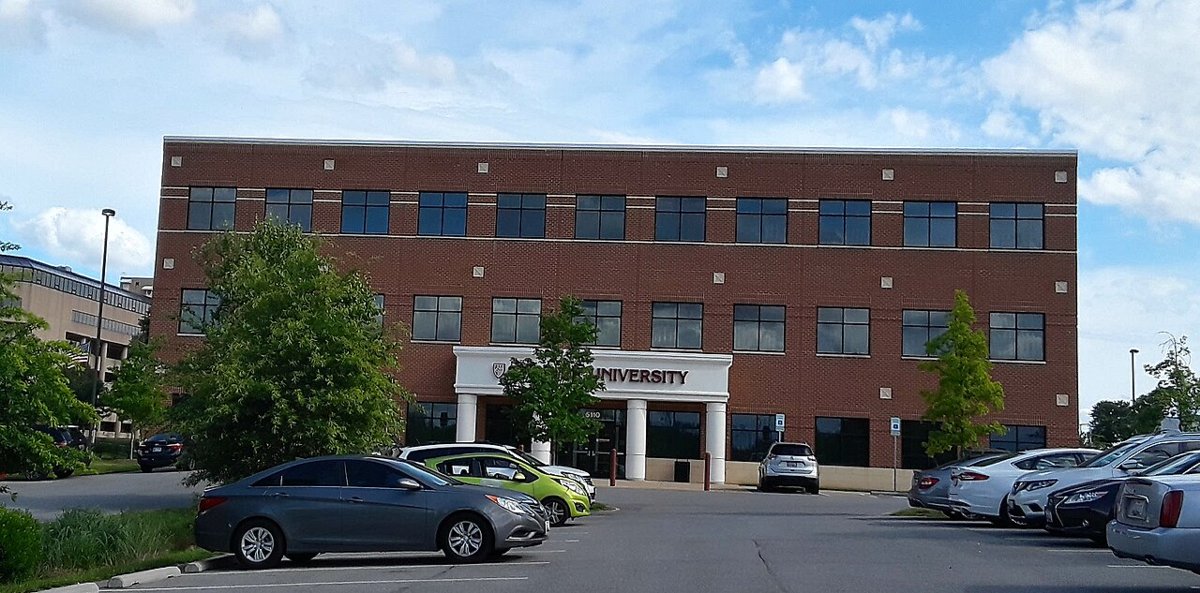
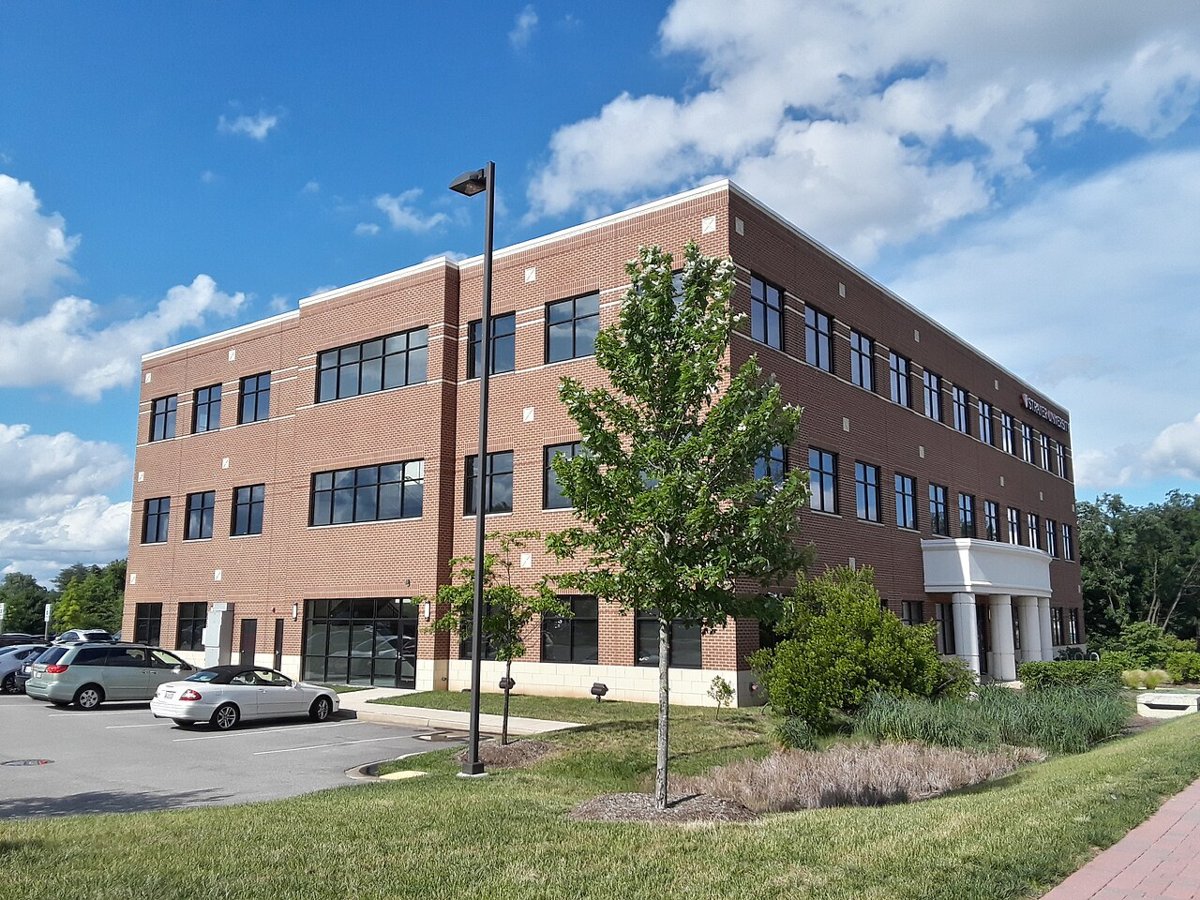
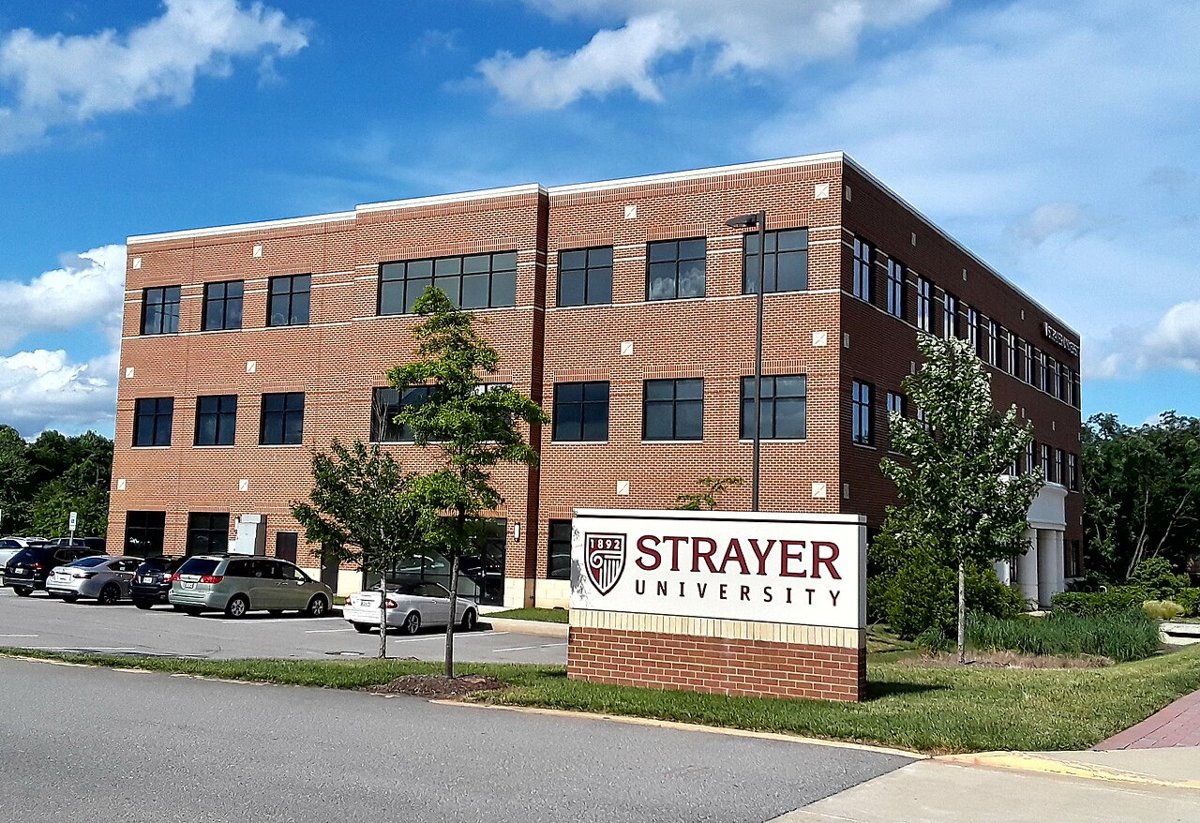
The campus sits in Greensboro, a large city in North Carolina that provides urban amenities and job opportunities. With 2,728 students enrolled, the university maintains a focused environment for adult learners. The setting supports the school's mission of serving working professionals who need flexible scheduling.
Does Strayer University-North Carolina offer good retention support for students?
The retention rate sits at 0.00%, meaning virtually no students return for their second year. This reflects the challenges many for-profit institutions face in supporting student success. The university primarily attracts adult learners who may face competing work and family obligations.