

About Strayer University-Texas
Students pay an average net price of $17,517 after financial aid, with 74.28% receiving some form of assistance. Graduates earn a median of $40,092 ten years after starting college, which creates challenges for loan repayment. The median debt load reaches $40,621, leading to monthly payments of $431. Only 23.82% of borrowers successfully repay their loans on schedule, suggesting the earning potential may not justify the cost for many students.
The school draws heavily from Texas, with 96.17% of students coming from in-state. The student body is predominantly Black (53.73%) and White (22.74%), with a significant Hispanic population (17.61%). The retention rate of just 20% indicates many students struggle to continue their studies, though the employment rate of 93.1% shows most graduates do find work.
Academics & Faculty
Source: College Scorecard / U.S. Department of Education
- Student-to-Faculty Ratio
- 39:1
- Full-Time Faculty
- 18.0%
- Graduation Rate (6-year)
- 50.0%
- Retention Rate
- 20.0%
- Median Earnings (10 years)
- $40,092
Popular Programs by Earnings
| Program | Level | Median Earnings |
|---|---|---|
| Information Science/Studies. | Master | $71,255 |
| Information Science/Studies. | Bachelor | $65,355 |
| Computer and Information Sciences, General. | Bachelor | $61,144 |
| Business Administration, Management and Operations. | Master | $56,911 |
| Accounting and Related Services. | Master | $52,107 |
| Business Administration, Management and Operations. | Certificate | $50,856 |
| Business/Commerce, General. | Bachelor | $50,096 |
| Human Resources Management and Services. | Master | $46,603 |
| Accounting and Related Services. | Associate | $46,087 |
| Accounting and Related Services. | Bachelor | $44,407 |
Campus Life
Most students commute to this career-focused campus rather than living on-site. The quarter system keeps coursework moving quickly, which suits the working adult population that Strayer attracts. Weekends often involve work shifts or family time rather than traditional college parties, since many students balance jobs alongside their studies. The 39:1 student-faculty ratio means larger class sizes, but the career-oriented programs emphasize practical skills over theoretical discussions. With 96% of students from Texas, you'll find plenty of locals who know the best BBQ spots and can navigate Dallas traffic. The suburban setting offers chain restaurants and shopping centers rather than a college town atmosphere.
- Setting
- Suburb-Large
- Calendar System
- Quarter
Campus Safety (2023)
No reported Clery Act crimes in 2023.
Climate & Weather
- January Avg
- 37°–57°F
- July Avg
- 77°–96°F
- Annual Precipitation
- 38.3"
- Annual Snowfall
- 1.7"
Student Demographics
- Men
- 27.7%
- Women
- 72.3%
- White
- 22.7%
- Black
- 53.7%
- Hispanic
- 17.6%
- Asian
- 0.8%
- In-State Students
- 96.2%
- Pell Grant Recipients
- 74.3%
Location
- Address
- Farmers Branch, Texas 75234
After College
Source: College Scorecard / U.S. Department of Education
- Median Earnings (10 years)
- $40,092
- Median Earnings (5 years)
- $67,616
- Mean Earnings (6 years after entry)
- $38,400
- Loan Repayment Rate
- 23.8%
- Monthly Loan Payment
- $431/mo
- Median Debt at Graduation
- $40,621
Frequently Asked Questions
What are the admission requirements at Strayer University-Texas?
Strayer University-Texas maintains open admission policies typical of career-focused institutions. With a 96.17% in-state student population, the university primarily serves Texas residents looking for flexible degree options. The school enrolls 2,397 students and focuses on accommodating working adults through its quarter system.
How much does Strayer University-Texas cost after financial aid?
Students pay an average net price of $17,517 annually, with 74.28% receiving financial aid. The same percentage qualifies for Pell Grants, indicating the school serves predominantly low-income students. Graduates typically leave with $40,621 in median debt and monthly loan payments of $431.
What is the student-faculty ratio at Strayer University-Texas?
The student-faculty ratio stands at 39:1, reflecting the school's focus on online and career-oriented education delivery methods. Strayer emphasizes practical, job-ready skills over traditional liberal arts education. The university operates on a quarter system to provide faster program completion for working adults.
What are the graduation and employment outcomes at Strayer University-Texas?
The six-year graduation rate is 50%, while the employment rate reaches 93.1% for graduates. Students earn a median salary of $40,092 ten years after enrollment, though the loan repayment rate is only 23.82%. The university targets career advancement for working professionals in business and technology fields.
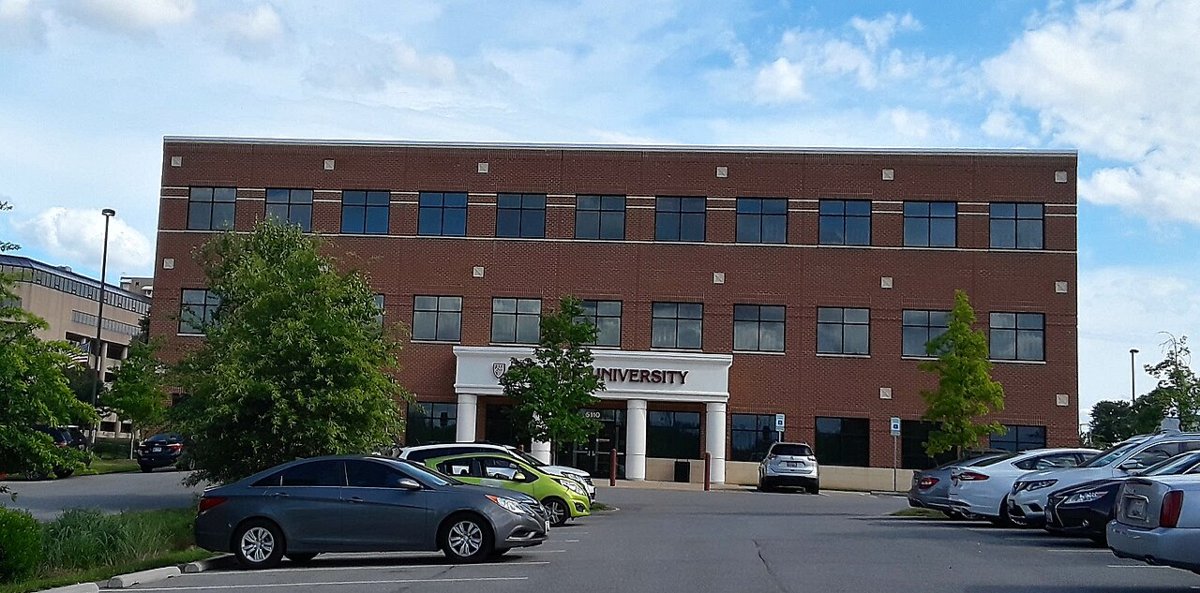
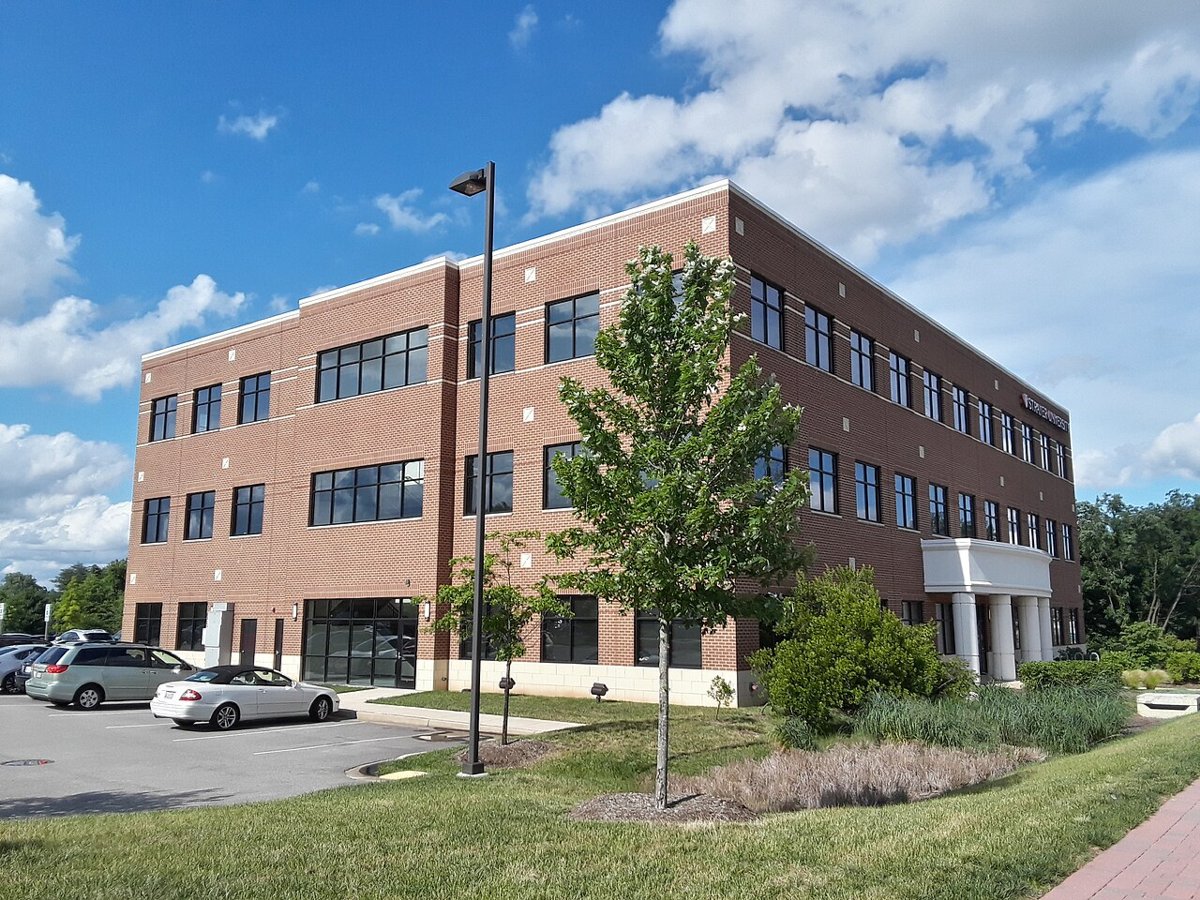
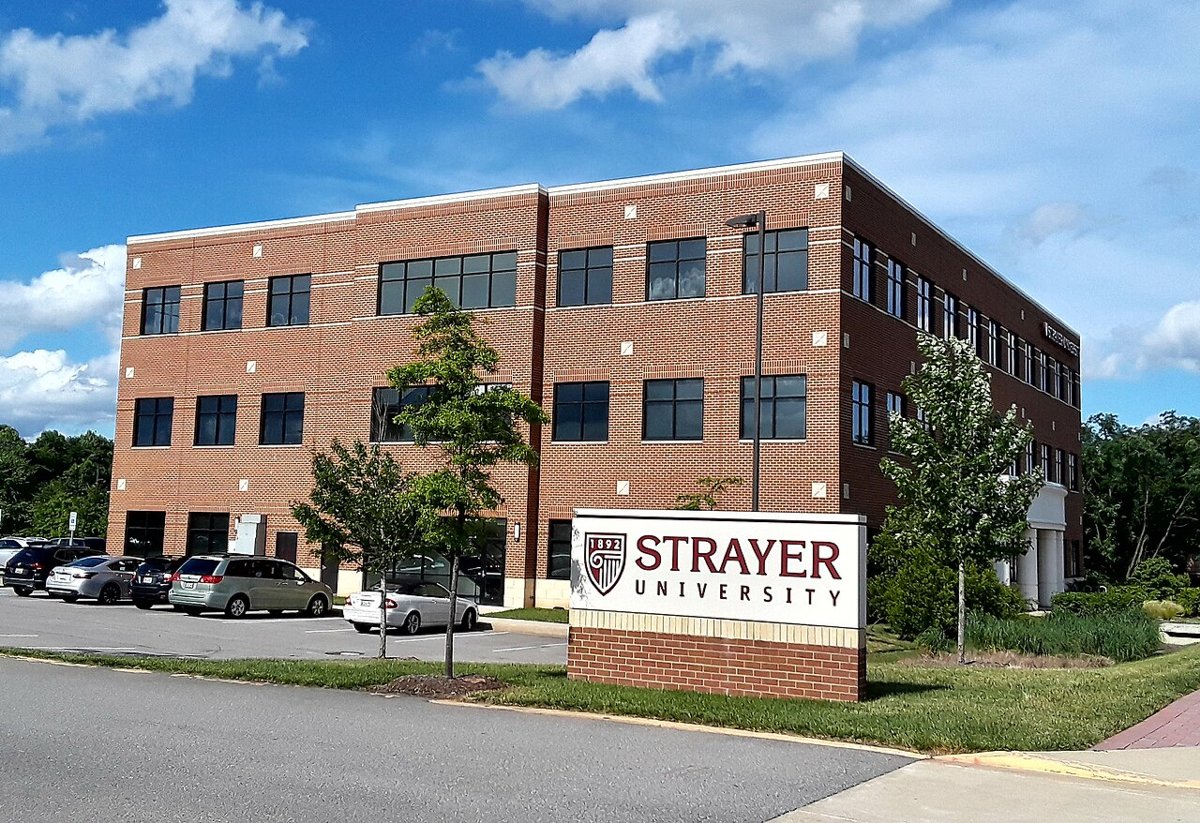
Where is Strayer University-Texas located and what is the campus like?
The campus sits in Farmers Branch, a large suburban area in the Dallas-Fort Worth metroplex. With only a 20% retention rate, many students use the location as a stepping stone while working full-time jobs. The suburban setting provides convenient access to internships and employment opportunities in the Dallas business corridor.
Does Strayer University-Texas have a diverse student body?
Women comprise 72.34% of enrollment, while the student body is 53.73% Black and 17.61% Hispanic. Only 22.74% of students identify as white, making this one of the more diverse campuses in Texas higher education. The demographics reflect Strayer's mission to serve underrepresented populations seeking career advancement through education.
Similar Schools

Galen College of Nursing-San Antonio
San Antonio, Texas

Chamberlain University-Texas
Houston, Texas

Universal Technical Institute of Texas Inc.
Houston, Texas

Universal Technical Institute-Dallas Fort Worth
Irving, Texas

Southwest University at El Paso
El Paso, Texas

Lincoln College of Technology-Grand Prairie
Grand Prairie, Texas