About SUNY Broome Community College
The financial picture makes SUNY Broome accessible to working families. Students from households earning under $30,000 pay just $4,496 after aid, while even middle-class families with incomes up to $75,000 face net costs under $10,500. Graduates typically leave with $12,000 in debt but earn a median of $39,710 ten years later. Monthly loan payments average just $127, making the debt load manageable for most career paths.
The Hornets field 10 varsity sports with 109 total athletes competing in the NCCAA. Women make up nearly 60% of the student body, reflecting national community college trends. The 22.9% six-year graduation rate reflects the challenges many community college students face, including work and family obligations. However, 93.7% of graduates find employment, demonstrating strong connections between academic programs and regional job markets.
Academics & Faculty
Source: College Scorecard / U.S. Department of Education
- Student-to-Faculty Ratio
- 19:1
- Full-Time Faculty
- 52.6%
- Graduation Rate (6-year)
- 22.9%
- Median Earnings (10 years)
- $39,710
Popular Programs by Earnings
| Program | Level | Median Earnings |
|---|---|---|
| Registered Nursing, Nursing Administration, Nursing Research and Clinical Nursing. | Associate | $56,979 |
| Clinical/Medical Laboratory Science/Research and Allied Professions. | Associate | $47,729 |
| Allied Health Diagnostic, Intervention, and Treatment Professions. | Associate | $46,254 |
| Dental Support Services and Allied Professions. | Associate | $45,207 |
| Allied Health and Medical Assisting Services. | Associate | $38,559 |
| Civil Engineering Technologies/Technicians. | Associate | $38,289 |
| Health and Medical Administrative Services. | Associate | $36,668 |
| Business Administration, Management and Operations. | Associate | $36,132 |
| Clinical/Medical Laboratory Science/Research and Allied Professions. | Certificate | $35,600 |
| Criminal Justice and Corrections. | Associate | $29,064 |
Campus Life
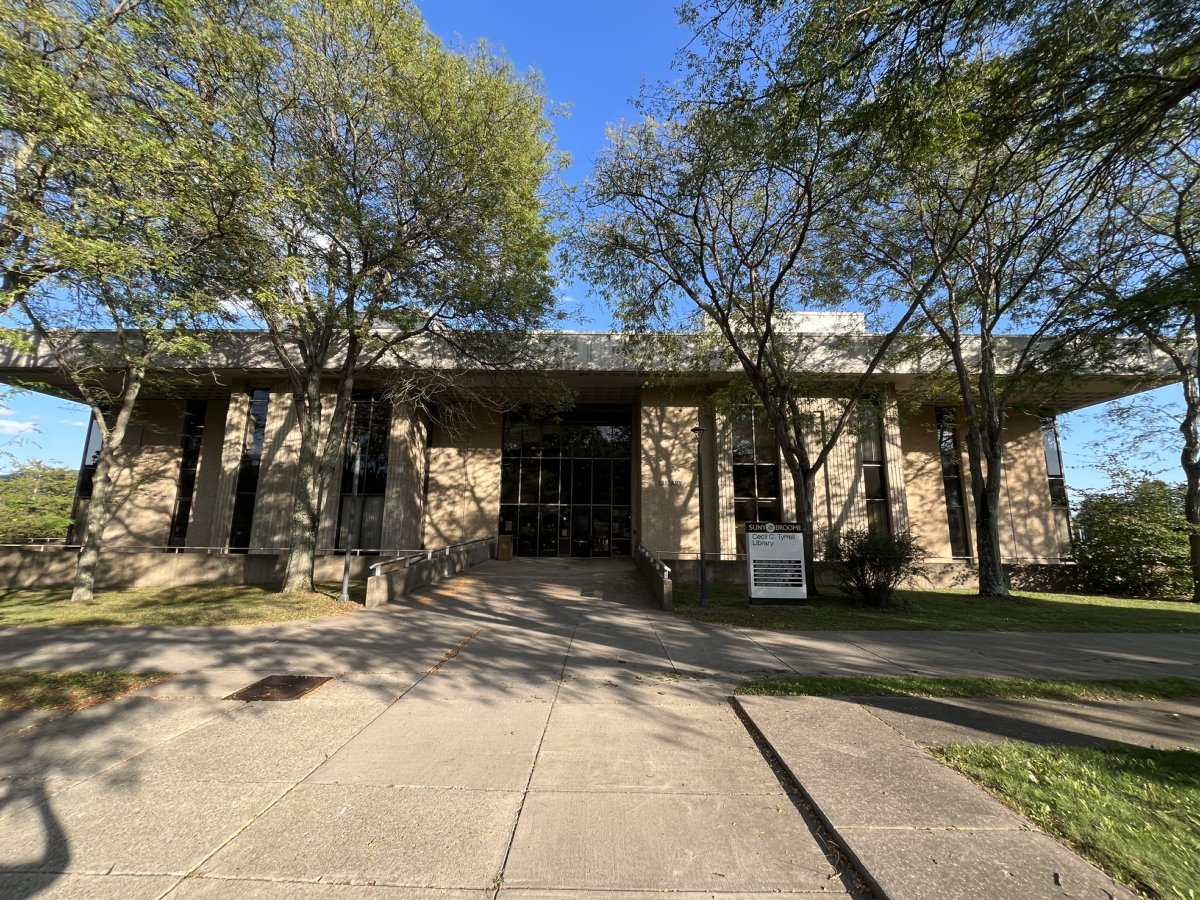
Winter means heavy snow and temperatures often below freezing from December through March, so a good coat is essential. The 19:1 student-faculty ratio creates smaller class sizes typical of community colleges, making it easier to get help from professors. Students here are practical and goal-oriented, with 96.79% coming from New York State. Many work while attending classes, balancing jobs with coursework as they prepare to transfer to four-year universities or enter careers directly. The Hornets compete in 10 varsity sports with 109 total athletes, though athletic scholarships aren't available. Social life centers more around study groups and campus organizations than traditional college parties, reflecting the commuter nature of the student body.
- Setting
- Suburb-Midsize
- Housing Capacity
- 316 beds
- Calendar System
- Semester
- Study Abroad
- Available
Campus Safety (2023)
2 total reported incidents. Source: Clery Act / U.S. Department of Education
| Offense | On Campus | Residential | Noncampus | Public Property |
|---|---|---|---|---|
| Dating Violence | 2 | 0 | 0 | 0 |
Climate & Weather
- January Avg
- 15°–29°F
- July Avg
- 59°–78°F
- Annual Precipitation
- 42.0"
- Annual Snowfall
- 86.5"
Student Demographics
- Men
- 40.4%
- Women
- 59.6%
- White
- 59.9%
- Black
- 11.2%
- Hispanic
- 8.7%
- Asian
- 4.9%
- In-State Students
- 96.8%
- Pell Grant Recipients
- 35.6%
Location
- Address
- Binghamton, New York 13901-1001
After College
Source: College Scorecard / U.S. Department of Education
- Median Earnings (10 years)
- $39,710
- Median Earnings (5 years)
- $44,039
- Mean Earnings (6 years after entry)
- $27,600
- Loan Repayment Rate
- 44.2%
- Monthly Loan Payment
- $127/mo
- Median Debt at Graduation
- $12,000
Frequently Asked Questions
What is the acceptance rate at SUNY Broome Community College?
SUNY Broome Community College has an open enrollment policy typical of community colleges, meaning they accept all students who meet basic admission requirements. With 3,203 students enrolled, the college serves as an accessible entry point to higher education for the Southern Tier region. Nearly 97% of students come from New York state, reflecting the college's mission to serve local communities.
How much does SUNY Broome Community College cost after financial aid?
The average net price at SUNY Broome is $8,035 annually, making it an affordable option for many families. Students from families earning under $30,000 pay just $4,496 on average, while those from higher-income families ($110,000+) pay around $14,627. About 36% of students receive Pell Grants, indicating significant financial need among the student body.
What academic programs is SUNY Broome Community College known for?
SUNY Broome offers both transfer programs for students planning to continue at four-year universities and career training programs for immediate workforce entry. The student-faculty ratio of 19:1 provides reasonable access to instructors across various programs. The college operates on a semester system and focuses on serving the educational needs of the Southern Tier region.
What are the job outcomes for SUNY Broome Community College graduates?
Graduates earn a median of $39,710 ten years after starting at SUNY Broome, with an impressive employment rate of 93.7%. The six-year graduation rate stands at 23%, which is typical for community colleges where many students attend part-time or transfer before completing degrees. Those who do borrow money graduate with a median debt of just $12,000.
Does SUNY Broome Community College have on-campus housing?
SUNY Broome provides on-campus housing for 316 students, which is relatively small given the total enrollment of 3,203. Room and board costs $14,450 annually for those who live on campus. The majority of students commute from the surrounding Binghamton area, as evidenced by the high percentage of in-state students.
What sports teams does SUNY Broome Community College have?
The SUNY Broome Hornets compete in 10 varsity sports within the NCCAA conference, with 109 total student-athletes. The college does not offer athletic scholarships, focusing instead on providing opportunities for student participation. Women make up about 60% of the overall student body, reflecting broader trends in community college enrollment.