

About Tennessee State University
Students pay an average net price of $10,026 after financial aid, with those from families earning under $30,000 paying just $9,239. Graduates earn a median of $42,730 ten years after graduation, though they typically carry $27,000 in debt with monthly payments around $286. The 94.2% employment rate shows strong job placement, but the financial picture requires careful planning given the debt load.
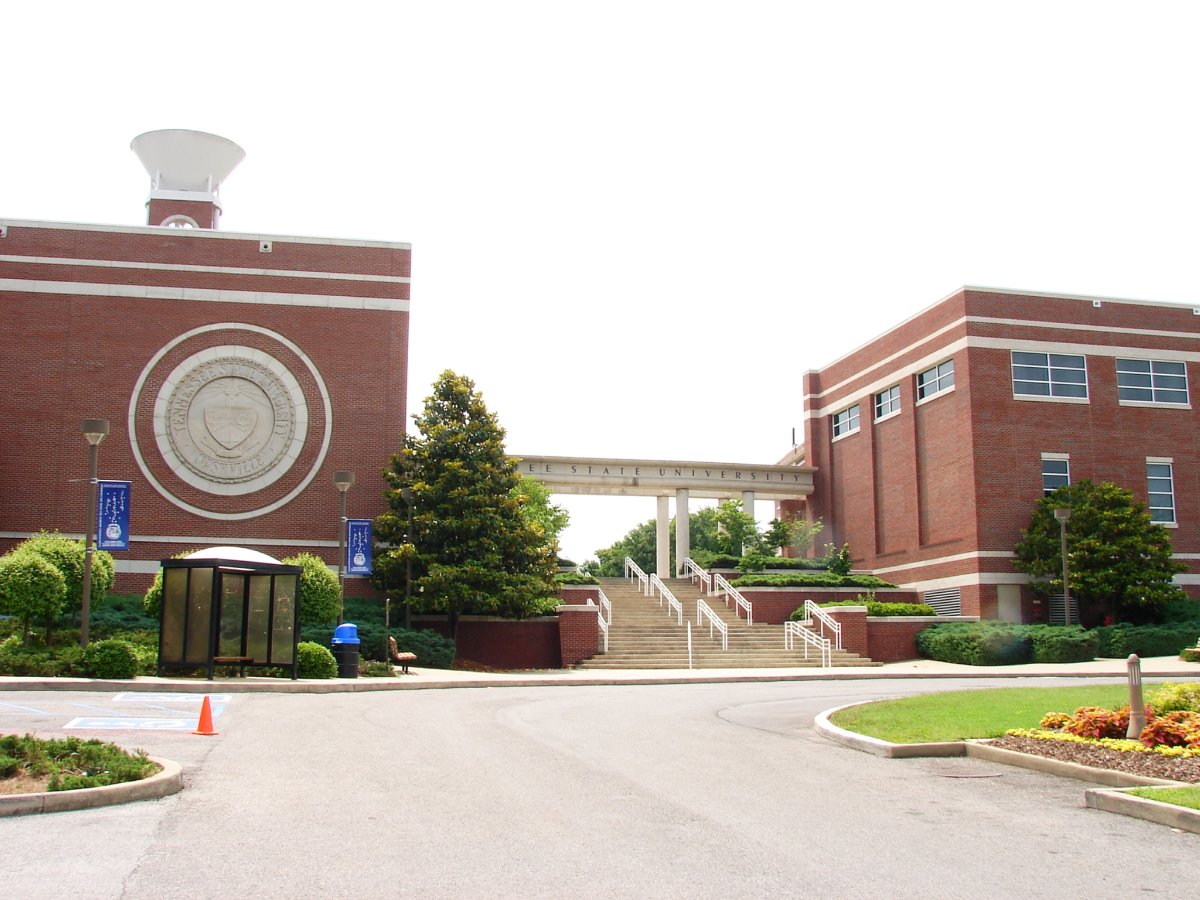
The campus houses 3,662 students and competes in NCAA Division I athletics as the Tigers. With a 13:1 student-faculty ratio, classes stay relatively small despite the university's size. The 60% retention rate suggests some students struggle to stay enrolled, making academic support crucial for success.
Academics & Faculty
Source: College Scorecard / U.S. Department of Education
- Student-to-Faculty Ratio
- 13:1
- Full-Time Faculty
- 71.2%
- Graduation Rate (4-year)
- 32.7%
- Graduation Rate (6-year)
- 33.0%
- Retention Rate
- 60.2%
- Median Earnings (10 years)
- $42,730
- Carnegie Classification
- Doctoral University (R2)
Popular Programs by Earnings
| Program | Level | Median Earnings |
|---|---|---|
| Registered Nursing, Nursing Administration, Nursing Research and Clinical Nursing. | Master | $87,815 |
| Rehabilitation and Therapeutic Professions. | Doctoral | $69,785 |
| Rehabilitation and Therapeutic Professions. | Master | $66,401 |
| Mechanical Engineering. | Bachelor | $64,990 |
| Electrical, Electronics and Communications Engineering. | Bachelor | $61,020 |
| Registered Nursing, Nursing Administration, Nursing Research and Clinical Nursing. | Bachelor | $58,673 |
| Civil Engineering. | Bachelor | $58,221 |
| Registered Nursing, Nursing Administration, Nursing Research and Clinical Nursing. | Associate | $55,286 |
| Business Administration, Management and Operations. | Master | $54,463 |
| Communication Disorders Sciences and Services. | Master | $53,358 |
Campus Life
Weekends often revolve around the legendary marching band performances and Division I athletics, especially track and field where the program has produced Olympic champions. The 13:1 student-faculty ratio creates tight-knit classroom communities. Students frequently head downtown to Broadway's honky-tonks or catch live music at the historic Ryman Auditorium. Campus traditions center around homecoming festivities and the annual battle of the bands. The music program draws aspiring artists who jam in practice rooms and perform at local venues. With Nashville's booming job market, the 94% employment rate reflects strong local connections that help graduates launch careers in music, business, and healthcare.
- Setting
- City-Large
- Housing Capacity
- 3,662 beds
- Calendar System
- Semester
- Study Abroad
- Available
- Founded
- 1912
Campus Safety (2023)
14 total reported incidents. Source: Clery Act / U.S. Department of Education
| Offense | On Campus | Residential | Noncampus | Public Property |
|---|---|---|---|---|
| Burglary | 4 | 4 | 0 | 0 |
| Fondling | 1 | 1 | 0 | 0 |
| Rape | 1 | 1 | 0 | 0 |
| Aggravated Assault | 1 | 0 | 0 | 0 |
| Motor Vehicle Theft | 1 | 0 | 0 | 0 |
Climate & Weather
- January Avg
- 27°–48°F
- July Avg
- 67°–89°F
- Annual Precipitation
- 53.2"
- Annual Snowfall
- 4.7"
Student Demographics
- Men
- 34.2%
- Women
- 65.8%
- White
- 4.6%
- Black
- 85.0%
- Hispanic
- 2.7%
- Asian
- 0.8%
- In-State Students
- 39.9%
- Pell Grant Recipients
- 51.8%
Location
- Address
- Nashville, Tennessee 37209-1561

After College
Source: College Scorecard / U.S. Department of Education
- Median Earnings (10 years)
- $42,730
- Median Earnings (5 years)
- $51,934
- Mean Earnings (6 years after entry)
- $31,200
- Loan Repayment Rate
- 30.7%
- Monthly Loan Payment
- $286/mo
- Median Debt at Graduation
- $27,000
Frequently Asked Questions
What is the retention rate at Tennessee State University?
About 60% of freshmen return for their sophomore year at Tennessee State University. This HBCU in Nashville serves 6,498 students and maintains strong traditions in music and athletics despite retention challenges.
How much does Tennessee State University cost after financial aid?
Students pay an average net price of $10,026 after financial aid at Tennessee State University. Over half of students receive Pell Grants, making this historically Black university accessible to low-income families.
What is the student-faculty ratio at Tennessee State University?
Tennessee State University maintains a 13:1 student-faculty ratio across its programs. The university is particularly well-known for its music program and has produced notable alumni like Oprah Winfrey.
What are the graduation rates at Tennessee State University?
Tennessee State University has a 33% six-year graduation rate and 33% four-year graduation rate. Graduates earn a median salary of $42,730 ten years after enrollment, with a 94% employment rate.
Where do most Tennessee State University students come from?
About 40% of Tennessee State University students are from Tennessee, while 60% come from other states. The student body is 85% Black and 66% female, reflecting the university's identity as a historically Black institution.
Does Tennessee State University have strong athletics programs?
Tennessee State University competes in NCAA Division I with 11 varsity sports and awards $3.95 million in athletic scholarships. The Tigers are particularly known for their track and field excellence, continuing the legacy of legendary coach Ed Temple and Olympic sprinter Wilma Rudolph.
Similar Schools

Tennessee Technological University
Cookeville, Tennessee

Chattanooga State Community College
Chattanooga, Tennessee

Nashville State Community College
Nashville, Tennessee
Southwest Tennessee Community College
Memphis, Tennessee

Motlow State Community College
Tullahoma, Tennessee

Austin Peay State University
Clarksville, Tennessee