
About Terra State Community College
Students pay an average of $11,691 after financial aid, making this one of Ohio's more affordable options for career training. Graduates earn a median of $36,612 ten years after starting, while carrying typical debt loads of $17,500. The math works for most students, especially considering the 98.2% employment rate. Monthly loan payments of $186 remain manageable against steady post-graduation incomes.
The student body tilts male at 54% and draws heavily from Ohio residents who make up 80% of enrollment. Seven varsity sports compete under the Titans banner, supported by $65,366 in athletic scholarships for 108 student-athletes. The 14:1 student-faculty ratio ensures personal attention in this close-knit environment. However, only 36% of students complete their programs within six years, suggesting that many face challenges balancing work and school in this rural setting.
Academics & Faculty
Source: College Scorecard / U.S. Department of Education
- Student-to-Faculty Ratio
- 14:1
- Full-Time Faculty
- 20.3%
- Graduation Rate (6-year)
- 36.1%
- Median Earnings (10 years)
- $36,612
Popular Programs by Earnings
| Program | Level | Median Earnings |
|---|---|---|
| Electrical Engineering Technologies/Technicians. | Associate | $63,005 |
| Registered Nursing, Nursing Administration, Nursing Research and Clinical Nursing. | Associate | $50,105 |
| Environmental Control Technologies/Technicians. | Associate | $41,193 |
| Allied Health and Medical Assisting Services. | Associate | $37,593 |
| Criminal Justice and Corrections. | Associate | $37,208 |
| Computer Programming. | Associate | $35,416 |
| Business Administration, Management and Operations. | Associate | $32,925 |
| Liberal Arts and Sciences, General Studies and Humanities. | Associate | $28,598 |
| Health and Medical Administrative Services. | Associate | $26,353 |
Campus Life
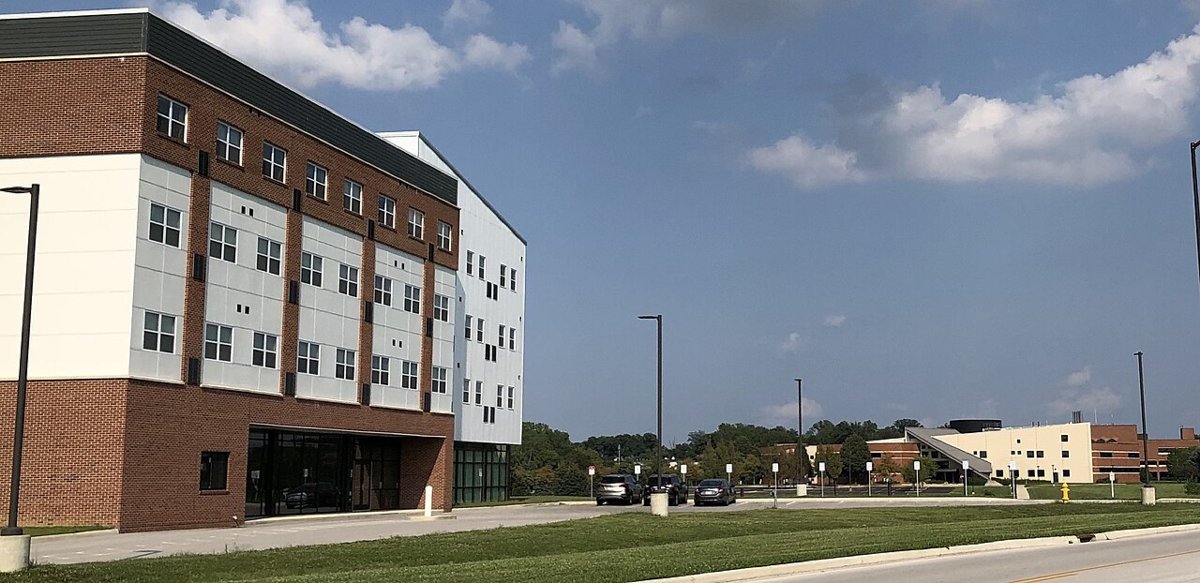
The college offers on-campus housing for those who want the residential experience, though exact occupancy numbers vary by semester. Students often gather in the student center between classes or grab coffee before evening courses. With 108 athletes competing in seven NCCAA sports, Titans games draw modest but enthusiastic crowds. Weekends tend to be quiet as many students head home or work part-time jobs. The rural setting means entertainment options focus on outdoor activities like fishing at nearby reservoirs or driving to Toledo for shopping and dining. Students appreciate the close-knit community feel where professors know their names and career services staff provide hands-on job placement support.
- Setting
- Rural-Fringe
- Calendar System
- Semester
- Founded
- 1968
Campus Safety (2023)
15 total reported incidents. Source: Clery Act / U.S. Department of Education
| Offense | On Campus | Residential | Noncampus | Public Property |
|---|---|---|---|---|
| Dating Violence | 4 | 4 | 0 | 0 |
| Fondling | 2 | 2 | 0 | 0 |
| Aggravated Assault | 2 | 1 | 0 | 0 |
Climate & Weather
- January Avg
- 19°–33°F
- July Avg
- 63°–84°F
- Annual Precipitation
- 71.4"
- Annual Snowfall
- -752.0"
Student Demographics
- Men
- 54.1%
- Women
- 45.9%
- White
- 79.9%
- Black
- 9.2%
- Hispanic
- 2.5%
- Asian
- 0.5%
- In-State Students
- 80.2%
- Pell Grant Recipients
- 24.9%
Location
- Address
- Fremont, Ohio 43420-9670
After College
Source: College Scorecard / U.S. Department of Education
- Median Earnings (10 years)
- $36,612
- Median Earnings (5 years)
- $42,207
- Mean Earnings (6 years after entry)
- $28,900
- Loan Repayment Rate
- 28.6%
- Monthly Loan Payment
- $186/mo
- Median Debt at Graduation
- $17,500
Frequently Asked Questions
What are the admission requirements at Terra State Community College?
Terra State Community College maintains an open admission policy typical of community colleges, welcoming students with varying academic backgrounds. The college serves 1,120 students primarily from northwest Ohio's rural communities. Most students begin their journey here as a stepping stone to four-year universities or to gain specific workforce skills.
How much does Terra State Community College cost after financial aid?
The average net price at Terra State is $11,691 annually, though this varies by family income. Students from families earning under $30,000 pay just $10,371 after aid, while those from higher-income families pay around $13,962. Only 24.88% of students receive federal Pell Grants, reflecting the college's focus on serving working-class families in rural Ohio.
What is the student-faculty ratio at Terra State Community College?
Terra State maintains a 14:1 student-faculty ratio, allowing for personalized attention in career-focused programs. The college emphasizes hands-on learning and workforce training rather than traditional liberal arts education. Faculty members often bring real-world experience from local industries to the classroom.
What are the graduation and employment outcomes at Terra State Community College?
Terra State achieves a 36.10% six-year graduation rate, which is typical for community colleges serving working students who often attend part-time. Graduates earn a median salary of $36,612 ten years after enrollment, reflecting the college's focus on practical, job-ready skills. The employment rate reaches an impressive 98.2%, demonstrating strong connections to northwest Ohio's job market.
Where is Terra State Community College located and what is campus life like?
Terra State sits in Fremont, Ohio, a small city in a rural-fringe setting that serves the agricultural and manufacturing communities of northwest Ohio. With just 1,120 students and 54.11% male enrollment, the campus has a close-knit feel. The Titans compete in seven varsity sports through the NCCAA, with 108 total athletes receiving $65,366 in athletic scholarships.
Does Terra State Community College offer affordable workforce training programs?
Terra State specializes in career-focused programs designed to meet local workforce needs, with in-state tuition at just $5,660 per year. The college has served northwest Ohio since 1968, building strong partnerships with regional employers. Students typically graduate with $17,500 in median debt and monthly loan payments of only $186, making it an affordable path to middle-class careers.