
About Texas A&M University-Texarkana
Students pay an average net price of $12,637 after financial aid, making this one of the more affordable four-year options in Texas. Over half of students receive Pell Grants, reflecting the school's role serving working-class families. Graduates earn a median of $45,515 ten years after enrollment, though they leave with typical debt of $18,953. The monthly loan payment of $201 represents a manageable burden for most graduates in the regional job market.
The campus culture reflects its diverse student body, with 49% white students, 18% Black students, and 19% Hispanic students. Women make up 61% of enrollment. However, student success metrics lag behind state averages, with only 31% graduating within six years and a 60% retention rate. Students considering this campus should weigh the affordable price against the completion challenges many peers face.
Academics & Faculty
Source: College Scorecard / U.S. Department of Education
- Student-to-Faculty Ratio
- 13:1
- Full-Time Faculty
- 64.1%
- Graduation Rate (4-year)
- 30.6%
- Graduation Rate (6-year)
- 31.2%
- Retention Rate
- 60.0%
- Median Earnings (10 years)
- $45,515
- Carnegie Classification
- Master's University (Medium)
Popular Programs by Earnings
| Program | Level | Median Earnings |
|---|---|---|
| Business Administration, Management and Operations. | Master | $62,012 |
| Educational Administration and Supervision. | Master | $46,478 |
| Curriculum and Instruction. | Master | $37,568 |
| Liberal Arts and Sciences, General Studies and Humanities. | Bachelor | $33,993 |
| Multi/Interdisciplinary Studies, Other. | Bachelor | $33,162 |
| Criminal Justice and Corrections. | Bachelor | $32,569 |
| Business Administration, Management and Operations. | Bachelor | $32,569 |
| Biology, General. | Bachelor | $29,685 |
| Psychology, General. | Bachelor | $25,967 |
Campus Life
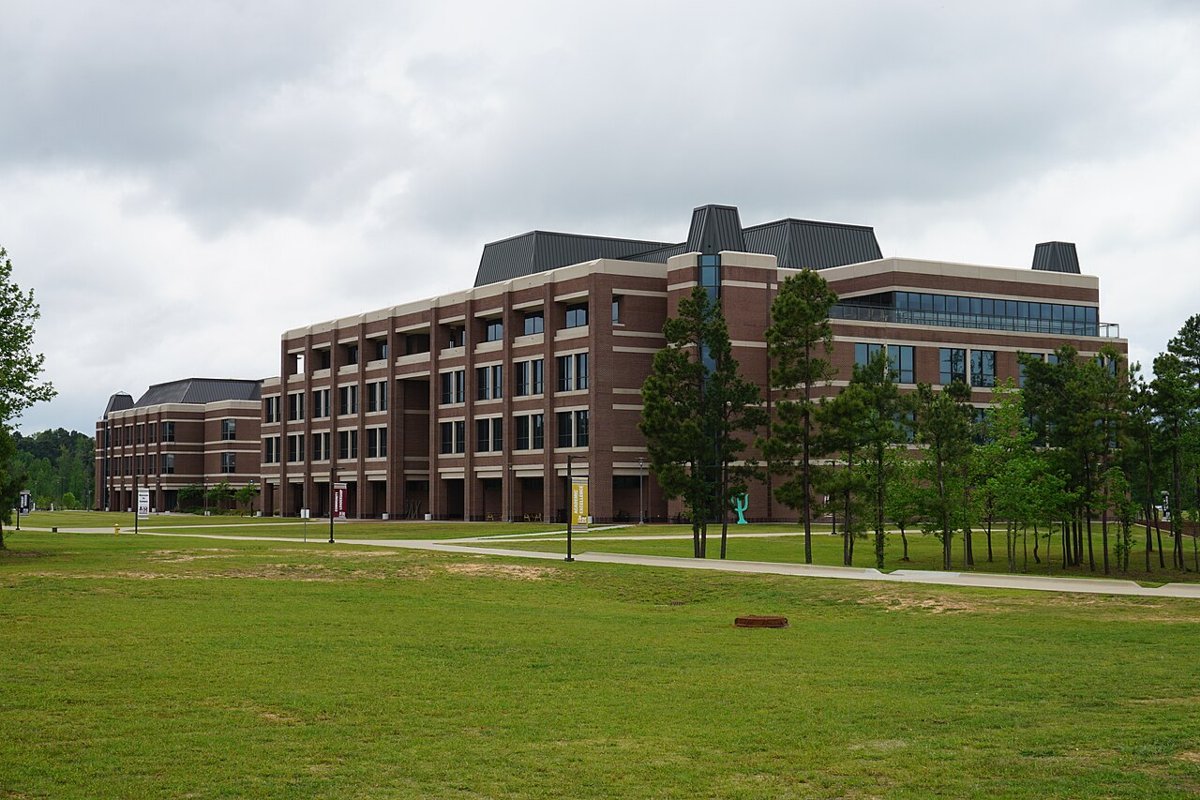
Students experience the humid subtropical climate of East Texas, where summer temperatures regularly hit the 90s and winters rarely dip below freezing. You'll need both air conditioning and a light jacket. The 13:1 student-faculty ratio means professors know your name, and the 60% retention rate reflects the challenges many working students face balancing school with jobs and family obligations. Weekends often center around Eagle athletics or trips to nearby Caddo Lake State Park. With 85% of students from Texas, the campus maintains a strong regional identity. The small-town setting means fewer entertainment options than major cities, but lower costs help explain why 51% of students receive Pell Grants and graduate with a median debt of just $18,953.
- Setting
- City-Small
- Housing Capacity
- 294 beds
- Calendar System
- Semester
- Study Abroad
- Available
Campus Safety (2023)
31 total reported incidents. Source: Clery Act / U.S. Department of Education
| Offense | On Campus | Residential | Noncampus | Public Property |
|---|---|---|---|---|
| Stalking | 13 | 7 | 0 | 0 |
| Rape | 2 | 2 | 0 | 0 |
| Burglary | 1 | 1 | 0 | 0 |
| Dating Violence | 1 | 1 | 0 | 0 |
| Aggravated Assault | 0 | 0 | 1 | 0 |
| Domestic Violence | 1 | 0 | 0 | 0 |
| Fondling | 1 | 0 | 0 | 0 |
Climate & Weather
- January Avg
- 33°–54°F
- July Avg
- 73°–93°F
- Annual Precipitation
- 52.4"
- Annual Snowfall
- 2.1"
Student Demographics
- Men
- 39.1%
- Women
- 60.9%
- White
- 49.0%
- Black
- 18.0%
- Hispanic
- 19.3%
- Asian
- 1.1%
- In-State Students
- 85.0%
- Pell Grant Recipients
- 51.3%
Location
- Address
- Texarkana, Texas 75503
After College
Source: College Scorecard / U.S. Department of Education
- Median Earnings (10 years)
- $45,515
- Median Earnings (5 years)
- $45,254
- Mean Earnings (6 years after entry)
- $34,800
- Loan Repayment Rate
- 52.3%
- Monthly Loan Payment
- $201/mo
- Median Debt at Graduation
- $18,953
Frequently Asked Questions
What is the acceptance rate at Texas A&M University-Texarkana?
Texas A&M University-Texarkana accepts 91.48% of applicants, making admission fairly accessible for most students. The average SAT score is 1045, with the middle 50% of students scoring between 950 and 1140.
How much does Texas A&M University-Texarkana cost after financial aid?
Students pay an average net price of $12,637 per year after financial aid. Over half of students (51.26%) receive Pell Grants, indicating the school serves many first-generation and lower-income students in East Texas.
What is the student-faculty ratio at Texas A&M University-Texarkana?
The student-faculty ratio is 13:1 among the 1,748 enrolled students. This small regional campus emphasizes personalized attention and close relationships between professors and students.
Does Texas A&M University-Texarkana have good graduation rates?
The four-year graduation rate is 30.63%, which reflects the school's focus on working students and adult learners. Many students attend part-time while balancing work and family responsibilities in the Texarkana area.
Where do students live at Texas A&M University-Texarkana?
Housing capacity is limited to 294 students on this commuter-focused campus. Most of the 85.02% in-state students live off-campus in the surrounding Texarkana community.
What athletic programs does Texas A&M University-Texarkana offer?
The Eagles compete in NAIA athletics with 11 varsity sports and 260 total athletes. The athletic department awards $737,135 in scholarships, providing opportunities for student-athletes in this smaller university setting.