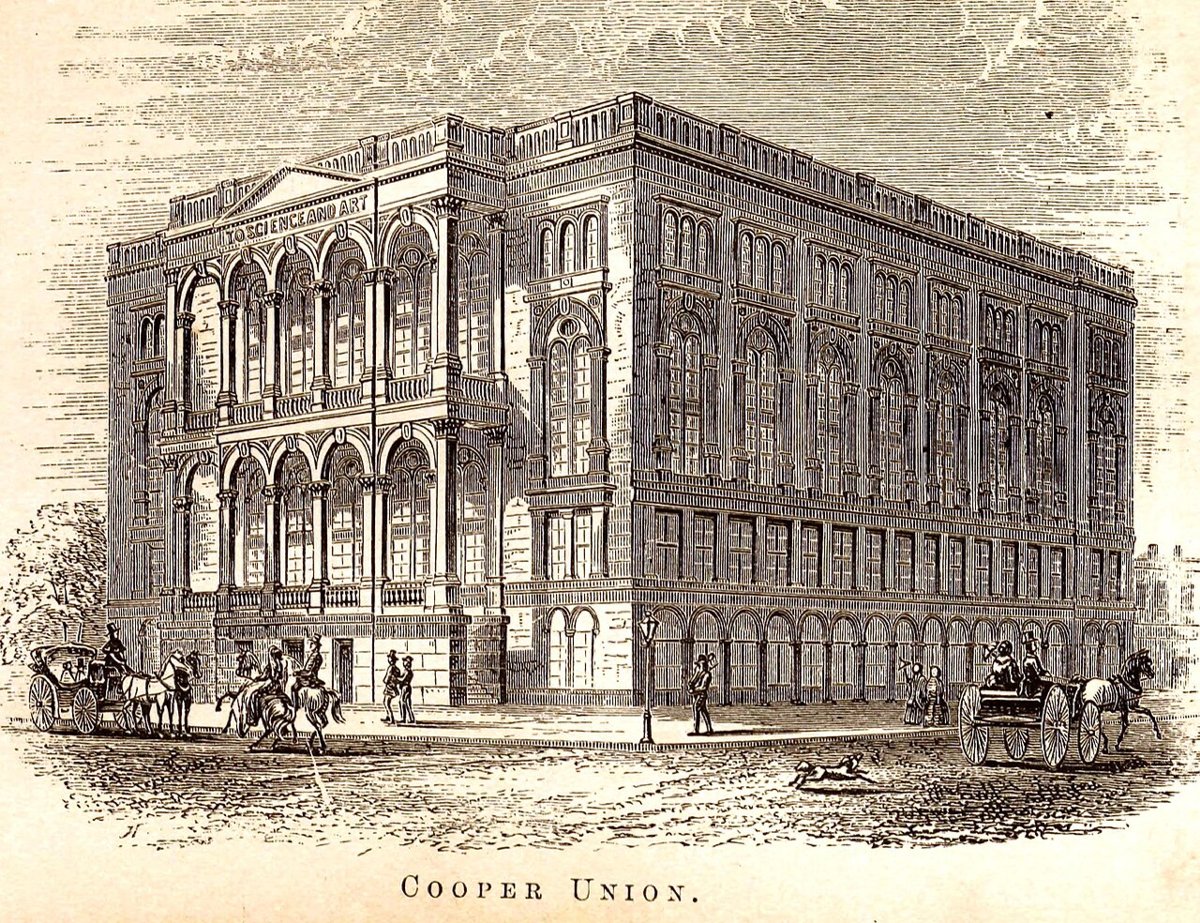
About The Cooper Union for the Advancement of Science and Art
The financial picture tells Cooper Union's most compelling story. While tuition lists at $46,820, the average student pays just $16,478 after aid. Students from families earning under $30,000 pay only $8,188 annually. Graduates earn a median of $83,847 ten years after graduation, with typical debt of just $15,000. Monthly loan payments average $159, making this education remarkably affordable for the career outcomes it delivers.
The student body reflects the school's demanding standards and New York location. Asian students make up 31.54% of enrollment, with 27.95% white students. The 9:1 student-faculty ratio enables close mentoring relationships. Housing capacity serves only 170 students, so most live off-campus in one of the world's most expensive cities. The 91.28% retention rate suggests students thrive despite the academic intensity.
Academics & Faculty
Source: College Scorecard / U.S. Department of Education
- Student-to-Faculty Ratio
- 9:1
- Full-Time Faculty
- 28.7%
- Graduation Rate (4-year)
- 82.0%
- Graduation Rate (6-year)
- 80.3%
- Retention Rate
- 91.3%
- Median Earnings (10 years)
- $83,847
- Carnegie Classification
- Baccalaureate College
Popular Programs by Earnings
| Program | Level | Median Earnings |
|---|---|---|
| Astronomy and Astrophysics. | Bachelor | $43,798 |
Campus Life
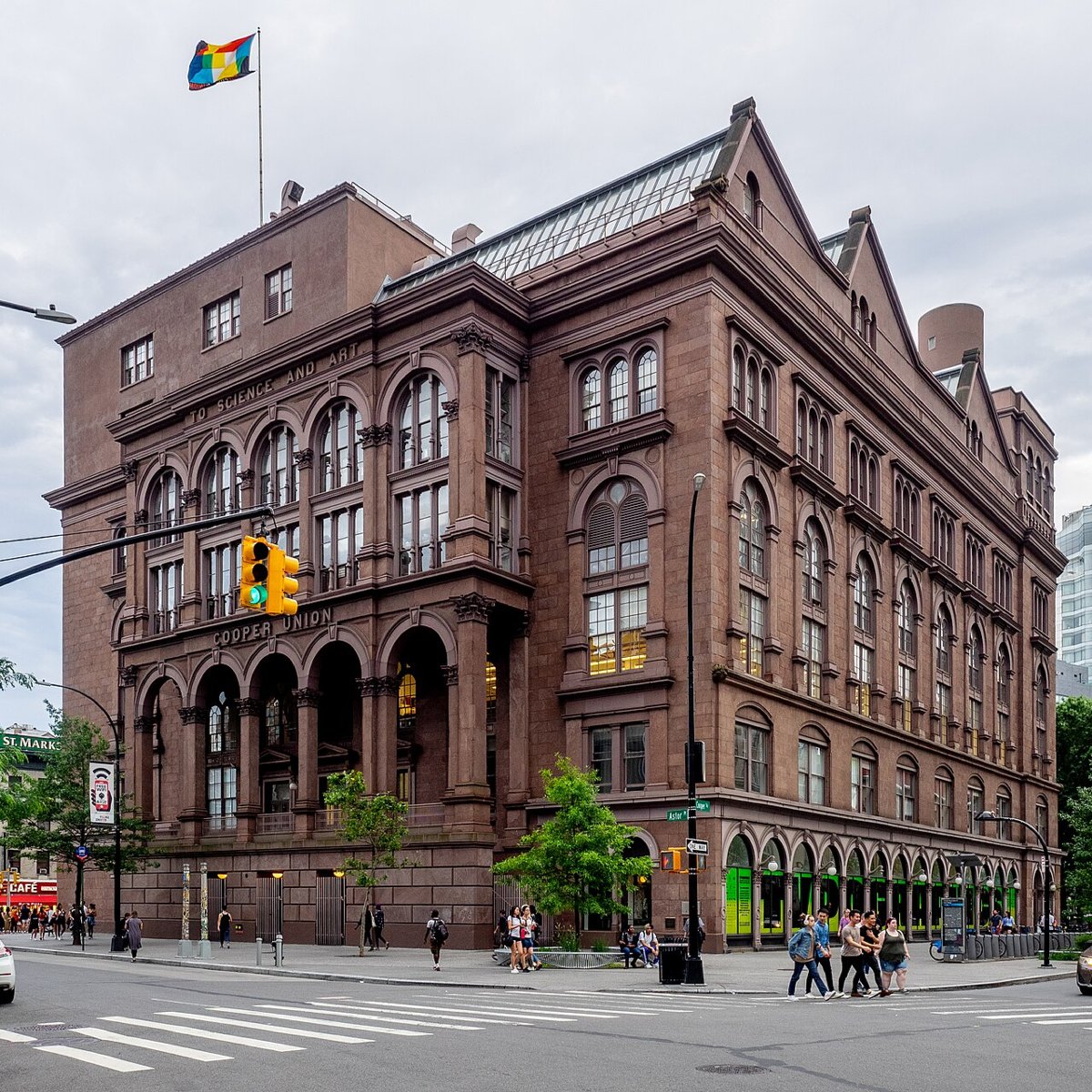
Winters demand heavy coats as temperatures drop into the 20s, while summers bring sweltering subway rides. The campus lacks traditional college amenities like sprawling quads or dining halls. Instead, students grab coffee at nearby cafes or eat lunch in Tompkins Square Park. Weekend life revolves around the city rather than campus events. Art students frequent galleries in Chelsea, engineering majors might catch a Broadway show, and architecture students explore iconic buildings throughout Manhattan. The school's location means internship opportunities at major firms are walking distance away. With 62% of students from New York State, many head home on weekends, creating a commuter school atmosphere despite the strong academics.
- Setting
- City-Large
- Housing Capacity
- 170 beds
- Calendar System
- Semester
- Study Abroad
- Available
Campus Safety (2023)
3 total reported incidents. Source: Clery Act / U.S. Department of Education
| Offense | On Campus | Residential | Noncampus | Public Property |
|---|---|---|---|---|
| Rape | 0 | 0 | 0 | 2 |
| Robbery | 0 | 0 | 0 | 1 |
Climate & Weather
- January Avg
- 27°–39°F
- July Avg
- 70°–84°F
- Annual Precipitation
- 49.5"
- Annual Snowfall
- 29.8"
Student Demographics
- Men
- 49.4%
- Women
- 50.6%
- White
- 28.0%
- Black
- 6.5%
- Hispanic
- 12.7%
- Asian
- 31.5%
- In-State Students
- 61.9%
- Pell Grant Recipients
- 27.9%
Location
- Address
- New York, New York 10003-7120
After College
Source: College Scorecard / U.S. Department of Education
- Median Earnings (10 years)
- $83,847
- Median Earnings (5 years)
- $60,971
- Mean Earnings (6 years after entry)
- $49,800
- Loan Repayment Rate
- 74.6%
- Monthly Loan Payment
- $159/mo
- Median Debt at Graduation
- $15,000
Frequently Asked Questions
What is the acceptance rate at The Cooper Union for the Advancement of Science and Art?
Cooper Union accepts 22.47% of applicants, making it one of the most selective institutions in the country. Students need exceptional credentials, with average SAT scores of 1460 and ACT scores of 33. The school's legendary reputation for tuition-free education drives intense competition among top STEM and art students.
How much does The Cooper Union for the Advancement of Science and Art cost after financial aid?
Students pay an average net price of $16,478 despite a sticker price of $46,820 for tuition. The school provides substantial institutional grants averaging $38,125 to 25% of students. Cooper Union historically offered free tuition to all students until 2014, and still provides generous aid to make education affordable.
What is the student-faculty ratio at The Cooper Union for the Advancement of Science and Art?
Cooper Union maintains a 9:1 student-faculty ratio with just 891 total students across three schools. This intimate setting allows for intensive studio work and hands-on engineering projects. The small size means students work closely with well-known faculty in art, architecture, and engineering.
What do graduates of The Cooper Union for the Advancement of Science and Art earn?
Cooper Union graduates earn a median salary of $83,847 ten years after graduation, reflecting the school's strong programs in high-paying fields. The 82% four-year graduation rate demonstrates academic rigor across art, architecture, and engineering. Alumni include famous artists like Milton Glaser and architects like Daniel Libeskind who have shaped their fields.
Does The Cooper Union for the Advancement of Science and Art have on-campus housing?
Cooper Union houses only 170 students on campus despite having 891 total enrollment. Most students live off-campus in Manhattan's East Village neighborhood where the school is located. The limited housing reflects the school's urban setting and small size, with room and board costing $18,650 for those who secure spots.
Is The Cooper Union for the Advancement of Science and Art really tuition-free?
Cooper Union no longer offers completely free tuition as it did for over 150 years until 2014. However, 27.92% of students still receive Pell Grants and substantial aid brings costs down . The school maintains its founding mission of accessible education through generous financial aid, with graduates carrying a median debt of just $15,000.