About The University of Montana
Students pay an average net price of $17,118 after financial aid, making this one of the more affordable options for a full university education. Graduates earn a median of $44,511 ten years after graduation, while typical student loan debt reaches $22,400. The monthly loan payment of $237 represents a manageable burden for most graduates. In-state students get the best deal at $8,152 for tuition, though out-of-state students face steeper costs at $31,622.
The Grizzlies compete in NCAA Division I athletics with 337 student-athletes across 11 varsity sports in the Big Sky Conference. About 76% of freshmen return for sophomore year, though only 45% graduate within six years. The campus houses 3,029 students, creating a tight-knit community where outdoor recreation often takes precedence over traditional college nightlife.
Academics & Faculty
Source: College Scorecard / U.S. Department of Education
- Student-to-Faculty Ratio
- 18:1
- Full-Time Faculty
- 66.6%
- Graduation Rate (4-year)
- 45.9%
- Graduation Rate (6-year)
- 45.4%
- Retention Rate
- 76.0%
- Median Earnings (10 years)
- $44,511
- Carnegie Classification
- Doctoral University (R1)
Popular Programs by Earnings
| Program | Level | Median Earnings |
|---|---|---|
| Pharmacy, Pharmaceutical Sciences, and Administration. | Doctoral | $113,016 |
| Psychology, General. | Doctoral | $76,460 |
| Computer and Information Sciences, General. | Bachelor | $67,660 |
| Rehabilitation and Therapeutic Professions. | Doctoral | $62,707 |
| Business Administration, Management and Operations. | Master | $58,673 |
| Registered Nursing, Nursing Administration, Nursing Research and Clinical Nursing. | Associate | $57,318 |
| Management Information Systems and Services. | Bachelor | $55,286 |
| Law. | Doctoral | $52,433 |
| Accounting and Related Services. | Master | $52,107 |
| Public Administration. | Master | $47,260 |
Campus Life
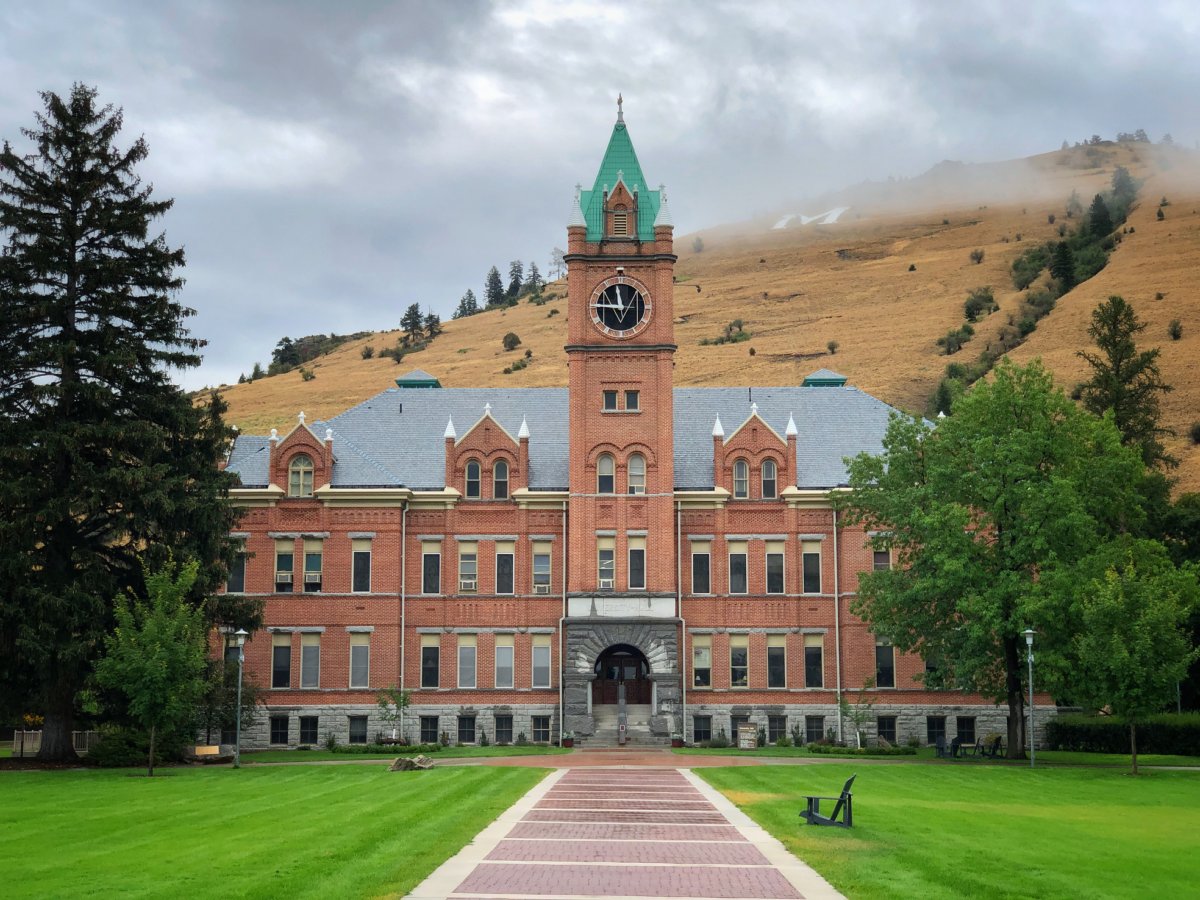
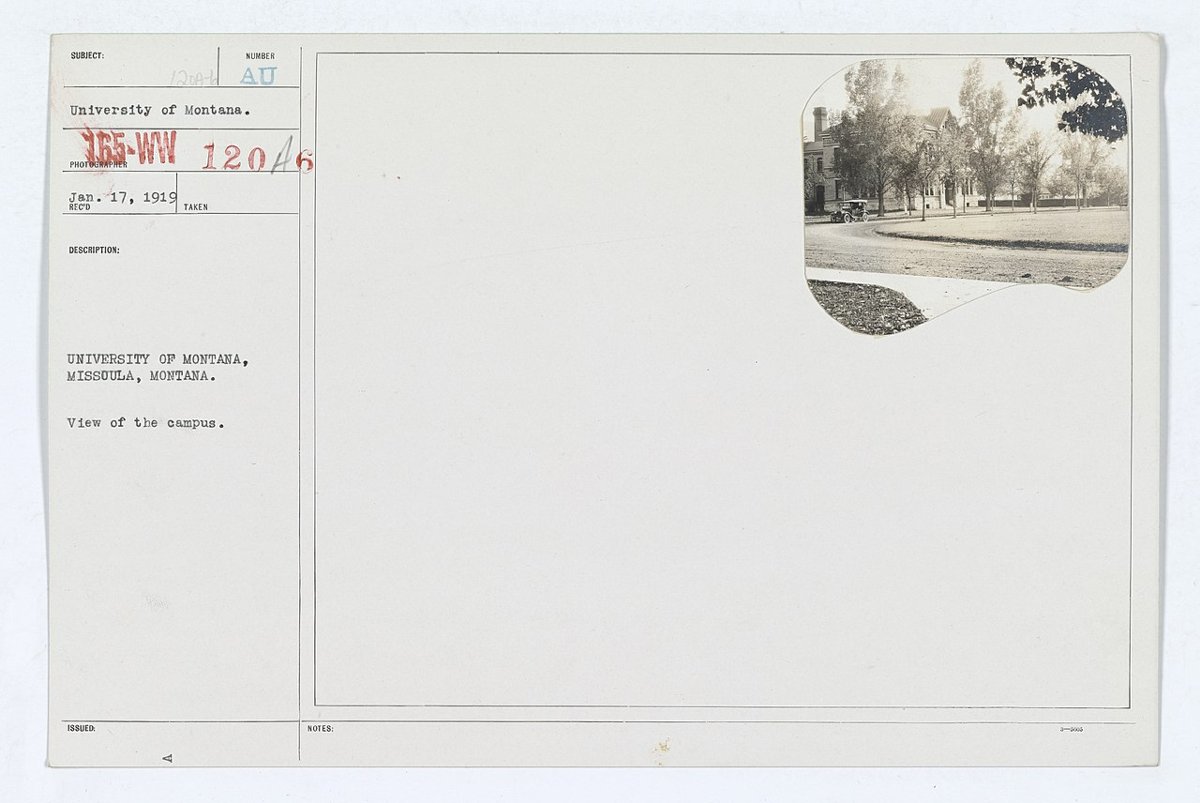
The campus buzzes with pre-professional energy, particularly around the acclaimed journalism school that has produced Pulitzer Prize winners. Students flock to nearby trails for hiking, skiing, and mountain biking between classes. With a 76% retention rate, most students stick around to experience all four seasons in Big Sky Country. Weekend plans typically involve trips to Glacier National Park, local breweries on Higgins Avenue, or Grizzly football games that draw passionate crowds. The rivalry with Montana State runs deep, creating campus-wide energy during Cat-Griz week each fall. Students here embrace the rugged Montana lifestyle while pursuing serious academic goals.
- Setting
- City-Small
- Housing Capacity
- 3,029 beds
- Calendar System
- Semester
- Study Abroad
- Available
Campus Safety (2023)
119 total reported incidents. Source: Clery Act / U.S. Department of Education
| Offense | On Campus | Residential | Noncampus | Public Property |
|---|---|---|---|---|
| Rape | 23 | 22 | 0 | 0 |
| Stalking | 20 | 5 | 0 | 0 |
| Burglary | 8 | 5 | 0 | 0 |
| Domestic Violence | 7 | 5 | 0 | 0 |
| Aggravated Assault | 6 | 4 | 0 | 0 |
| Motor Vehicle Theft | 7 | 0 | 0 | 0 |
| Fondling | 5 | 0 | 0 | 0 |
| Arson | 1 | 1 | 0 | 0 |
Climate & Weather
- January Avg
- 19°–34°F
- July Avg
- 52°–85°F
- Annual Precipitation
- 17.4"
- Annual Snowfall
- 50.2"
Student Demographics
- Men
- 42.8%
- Women
- 57.2%
- White
- 70.5%
- Black
- 0.7%
- Hispanic
- 6.1%
- Asian
- 1.3%
- In-State Students
- 66.2%
- Pell Grant Recipients
- 27.5%
Location
- Address
- Missoula, Montana 59812
After College
Source: College Scorecard / U.S. Department of Education
- Median Earnings (10 years)
- $44,511
- Median Earnings (5 years)
- $46,098
- Mean Earnings (6 years after entry)
- $33,900
- Loan Repayment Rate
- 58.0%
- Monthly Loan Payment
- $237/mo
- Median Debt at Graduation
- $22,400
Frequently Asked Questions
What is the acceptance rate at The University of Montana?
The University of Montana accepts 95.38% of applicants, making it highly accessible for prospective students. This public research university in Missoula welcomes students from diverse academic backgrounds while maintaining strong programs in journalism and forestry.
How much does The University of Montana cost after financial aid?
The average net price is $17,118, with costs varying by family income from $14,521 for low-income families to $20,648 for high earners. About 27.51% of students receive Pell Grants, and graduates typically leave with $22,400 in debt and monthly loan payments of $237.
What academic programs is The University of Montana known for?
The university has built its reputation on strong journalism and forestry programs that take advantage of Montana's natural setting. With a student-faculty ratio of 18:1 and 7,079 enrolled students, the school offers personalized attention in fields that connect to the state's media and outdoor industries.
What are the graduation and career outcomes at The University of Montana?
The university has a 45.93% four-year graduation rate and 45.40% six-year rate, with graduates earning a median of $44,511 ten years after graduation. The employment rate reaches 95.2%, though the 58% loan repayment rate suggests some graduates face financial challenges early in their careers.
Where is The University of Montana located and what is campus life like?
The campus sits in Missoula, a small city that serves as a gateway to Montana's outdoor recreation opportunities. With housing capacity for 3,029 students and 66.20% of the student body coming from in-state, the university maintains strong ties to Montana communities while attracting outdoor enthusiasts from across the region.
Does The University of Montana have strong athletic programs?
The Grizzlies compete in NCAA Division I as part of the Big Sky Conference with 11 varsity sports and 337 total athletes. The university invests $5,938,753 in athletic scholarships, reflecting a commitment to competitive sports that matches the state's culture of outdoor activity and competition.