
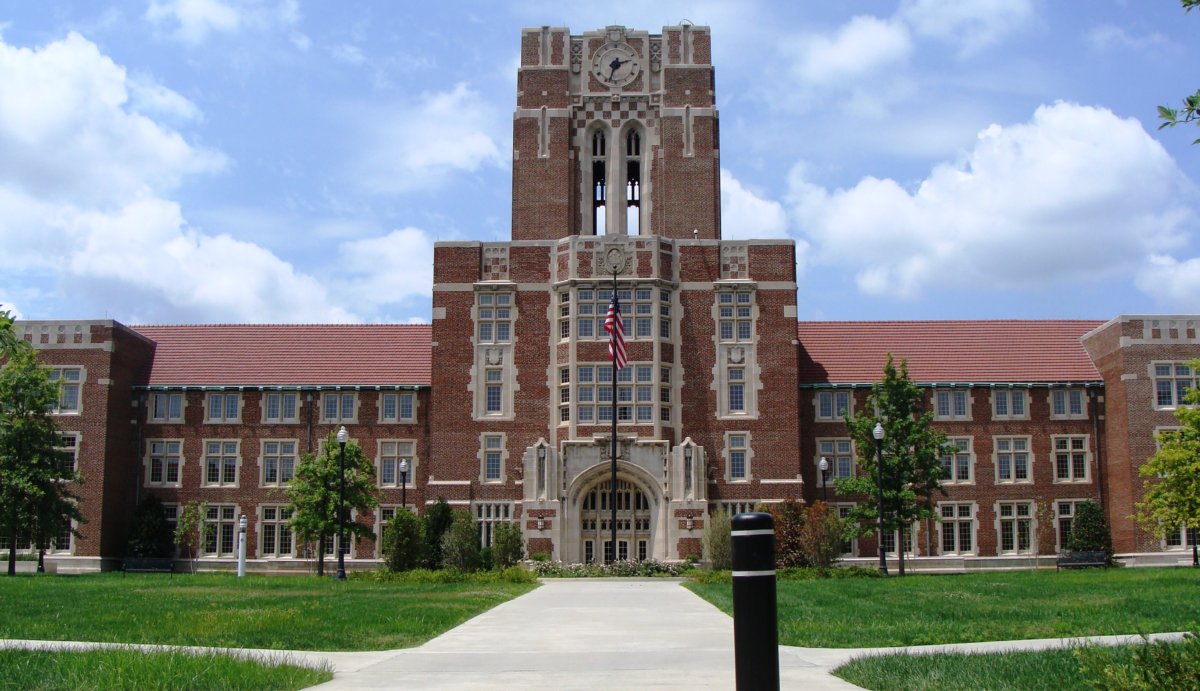
About The University of Tennessee-Knoxville
The financial picture looks solid for most families. Students pay an average net price of $18,109, which drops to just $9,397 for families earning under $30,000. Graduates earn a median of $60,249 ten years after leaving campus, while carrying manageable debt loads of $20,500. Monthly loan payments average $217, making this education affordable relative to career outcomes. With 95.4% of graduates finding employment, the investment typically pays off.
The student body tilts 69.45% in-state, creating a strong Tennessee identity throughout campus. Nearly all freshmen return for sophomore year, with 91.08% choosing to stay. The 73.5% six-year graduation rate reflects the university's commitment to getting students across the finish line, even as the 18:1 student-faculty ratio means some classes feel crowded.
Academics & Faculty
Source: College Scorecard / U.S. Department of Education
- Student-to-Faculty Ratio
- 18:1
- Full-Time Faculty
- 83.8%
- Graduation Rate (4-year)
- 73.0%
- Graduation Rate (6-year)
- 73.5%
- Retention Rate
- 91.1%
- Median Earnings (10 years)
- $60,249
- Carnegie Classification
- Doctoral University (R1)
Popular Programs by Earnings
| Program | Level | Median Earnings |
|---|---|---|
| Dentistry. | Doctoral | $138,932 |
| Pharmacy, Pharmaceutical Sciences, and Administration. | Doctoral | $121,650 |
| Management Sciences and Quantitative Methods. | Master | $99,662 |
| Business Administration, Management and Operations. | Master | $99,251 |
| Registered Nursing, Nursing Administration, Nursing Research and Clinical Nursing. | Master | $91,502 |
| Mechanical Engineering. | Master | $90,412 |
| Veterinary Medicine. | Doctoral | $75,832 |
| Nuclear Engineering. | Doctoral | $75,204 |
| Nuclear Engineering. | Bachelor | $75,204 |
| Electrical, Electronics and Communications Engineering. | Bachelor | $69,338 |
Campus Life
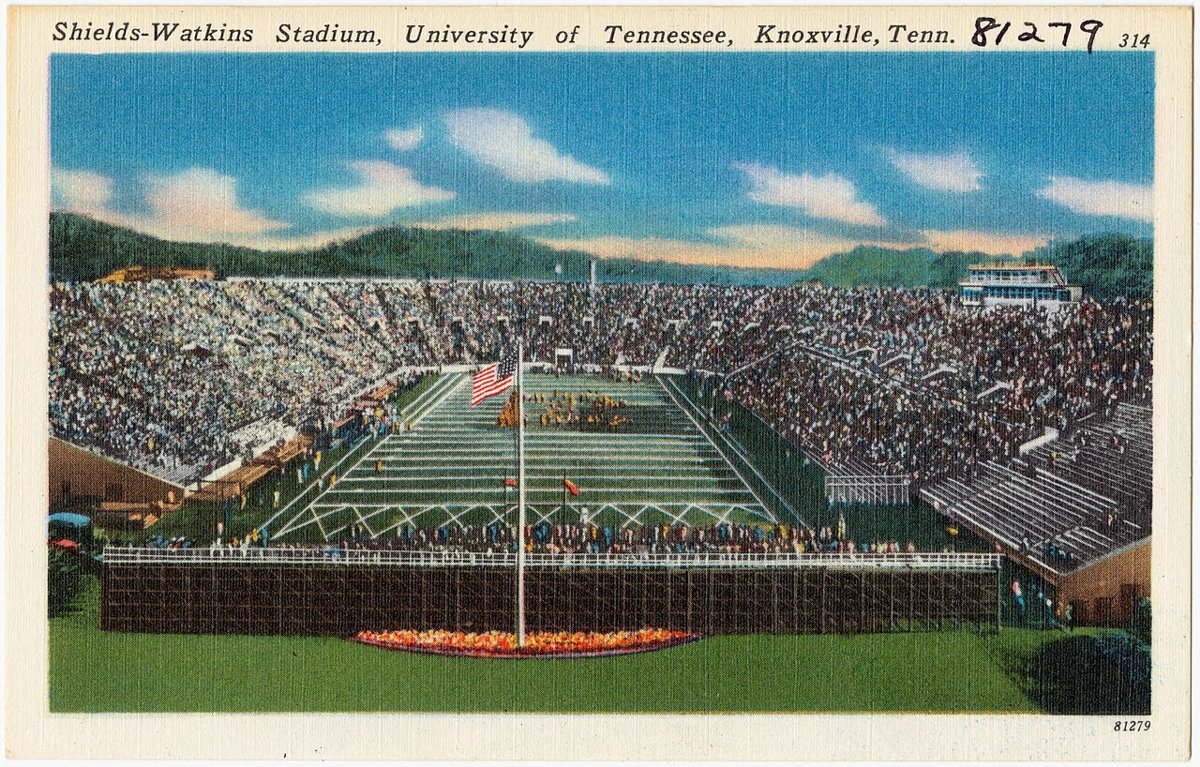
Weekends revolve around Neyland Stadium, where 102,000 orange-clad fans pack in for SEC football games. The Vol Walk before home games has become legendary, with players walking through thousands of cheering fans. When football isn't in season, students flock to Market Square downtown for restaurants and nightlife, or explore the nearby Smoky Mountains just an hour away. Greek life claims about 20% of students, but the real unifying force is simply being a Vol. The campus buzzes with orange and white pride year-round, and "Rocky Top" plays constantly during game days.
- Setting
- City-Midsize
- Housing Capacity
- 8,700 beds
- Calendar System
- Semester
- Study Abroad
- Available
Campus Safety (2023)
244 total reported incidents. Source: Clery Act / U.S. Department of Education
| Offense | On Campus | Residential | Noncampus | Public Property |
|---|---|---|---|---|
| Domestic Violence | 30 | 20 | 1 | 1 |
| Stalking | 29 | 18 | 0 | 0 |
| Fondling | 23 | 17 | 4 | 0 |
| Rape | 23 | 20 | 1 | 0 |
| Burglary | 16 | 6 | 1 | 0 |
| Aggravated Assault | 6 | 4 | 0 | 3 |
| Motor Vehicle Theft | 13 | 0 | 0 | 0 |
| Arson | 2 | 0 | 0 | 1 |
| Dating Violence | 1 | 1 | 1 | 0 |
| Robbery | 0 | 0 | 0 | 2 |
Climate & Weather
- January Avg
- 26°–47°F
- July Avg
- 66°–88°F
- Annual Precipitation
- 55.8"
- Annual Snowfall
- 4.6"
Student Demographics
- Men
- 45.7%
- Women
- 54.4%
- White
- 79.3%
- Black
- 3.8%
- Hispanic
- 6.0%
- Asian
- 3.6%
- In-State Students
- 69.5%
- Pell Grant Recipients
- 20.7%
Location
- Address
- Knoxville, Tennessee 37996
After College
Source: College Scorecard / U.S. Department of Education
- Median Earnings (10 years)
- $60,249
- Median Earnings (5 years)
- $61,635
- Mean Earnings (6 years after entry)
- $41,600
- Loan Repayment Rate
- 68.4%
- Monthly Loan Payment
- $217/mo
- Median Debt at Graduation
- $20,500
Frequently Asked Questions
What is the acceptance rate at The University of Tennessee-Knoxville?
The University of Tennessee-Knoxville accepts 68.41% of applicants with an average SAT score of 1250. This makes it moderately selective for a major SEC research university that attracts strong students interested in Volunteer athletics and Tennessee traditions.
How much does The University of Tennessee-Knoxville cost after financial aid?
Students pay an average net price of $18,109 annually, with in-state tuition at $13,484 and out-of-state at $31,974. The university keeps costs manageable for a flagship SEC school, especially for Tennessee residents who make up 69.45% of the student body.
What is the student-faculty ratio at The University of Tennessee-Knoxville?
The student-faculty ratio stands at 18:1 across the 28,763-student campus. This is typical for a large public research university where students balance rigorous academics with the famous orange and white Volunteer spirit.
What do graduates of The University of Tennessee-Knoxville earn after graduation?
Graduates earn a median salary of $60,249 ten years after graduation, with a 95.4% employment rate. Alumni like Peyton Manning and Kenny Chesney showcase the university's ability to produce successful graduates across diverse fields.
Where do students live at The University of Tennessee-Knoxville?
Campus housing accommodates 8,700 students in a midsize city setting in Knoxville. The 91.08% retention rate reflects strong student satisfaction with both the academic environment and the passionate SEC football culture.
Does The University of Tennessee-Knoxville have strong athletics?
The Volunteers compete in 16 NCAA Division I sports within the strong Southeastern Conference, with 629 total athletes receiving $21,519,779 in athletic scholarships. The football program is legendary for its passionate fanbase and historic rivalries with Florida, Alabama, and Vanderbilt.