
About The University of Texas at Austin
The financial picture looks solid for most families. Texas residents pay just $11,678 in tuition, while the average student graduates with $20,500 in debt. Ten years after graduation, the median earnings hit $75,121, making those loan payments of $217 per month very manageable. About 25% of students receive Pell Grants, and the net price drops to under $13,000 for families earning less than $30,000 annually.
With nearly 90% of students coming from Texas, this feels like the state's flagship university in every sense. The 18:1 student-faculty ratio means large lecture halls are common, but the 96% retention rate suggests most students adapt well to the size. The Longhorns compete in the SEC now, adding even more excitement to an already spirited campus.
Academics & Faculty
Source: College Scorecard / U.S. Department of Education
- Student-to-Faculty Ratio
- 18:1
- Full-Time Faculty
- 83.5%
- Graduation Rate (4-year)
- 87.7%
- Graduation Rate (6-year)
- 87.6%
- Retention Rate
- 96.1%
- Median Earnings (10 years)
- $75,121
- Carnegie Classification
- Doctoral University (R1)
Popular Programs by Earnings
| Program | Level | Median Earnings |
|---|---|---|
| Business Administration, Management and Operations. | Master | $131,707 |
| Pharmacy, Pharmaceutical Sciences, and Administration. | Doctoral | $120,124 |
| Electrical, Electronics and Communications Engineering. | Doctoral | $110,878 |
| Computer and Information Sciences, General. | Master | $109,763 |
| Engineering, Other. | Master | $106,421 |
| Management Sciences and Quantitative Methods. | Master | $102,706 |
| Law. | Doctoral | $100,607 |
| Electrical, Electronics and Communications Engineering. | Master | $97,959 |
| Mechanical Engineering. | Doctoral | $90,412 |
| Physics. | Doctoral | $89,305 |
Campus Life
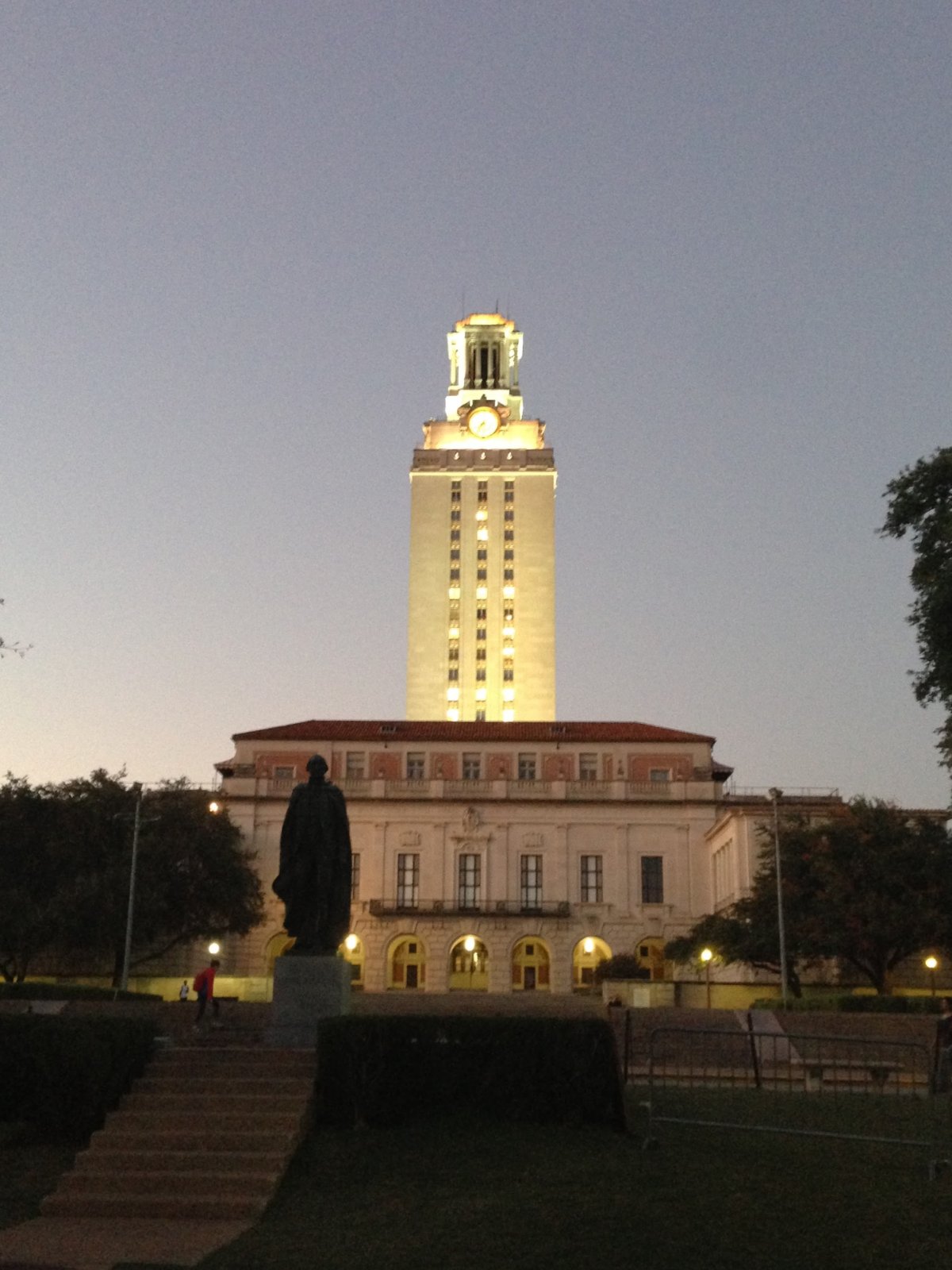
Game days transform the entire area when the Longhorns play, especially during football season. Students pack the massive stadium and tailgate for hours beforehand. The "Hook 'em Horns" hand sign appears everywhere on campus. Weekend activities range from live music at venues like Stubbs or the Continental Club to floating the nearby rivers during hot months. The campus library system ranks among the largest in the country, but students often study at coffee shops around town instead. With 89.95% of students from Texas, you'll find a strong state pride mixed with Austin's "Keep it Weird" culture.
- Setting
- City-Large
- Housing Capacity
- 7,960 beds
- Calendar System
- Semester
- Study Abroad
- Available
Campus Safety (2023)
270 total reported incidents. Source: Clery Act / U.S. Department of Education
| Offense | On Campus | Residential | Noncampus | Public Property |
|---|---|---|---|---|
| Stalking | 53 | 10 | 4 | 1 |
| Motor Vehicle Theft | 23 | 0 | 13 | 6 |
| Burglary | 19 | 2 | 13 | 0 |
| Fondling | 20 | 6 | 4 | 1 |
| Domestic Violence | 15 | 5 | 6 | 2 |
| Rape | 13 | 12 | 1 | 0 |
| Aggravated Assault | 4 | 0 | 4 | 7 |
| Dating Violence | 7 | 3 | 3 | 1 |
| Robbery | 6 | 0 | 1 | 2 |
| Arson | 3 | 0 | 0 | 0 |
Climate & Weather
- January Avg
- 41°–62°F
- July Avg
- 75°–96°F
- Annual Precipitation
- 36.3"
- Annual Snowfall
- 0.2"
Student Demographics
- Men
- 42.1%
- Women
- 58.0%
- White
- 31.6%
- Black
- 4.7%
- Hispanic
- 28.3%
- Asian
- 25.4%
- In-State Students
- 90.0%
- Pell Grant Recipients
- 25.1%
Location
- Address
- Austin, Texas 78705
After College
Source: College Scorecard / U.S. Department of Education
- Median Earnings (10 years)
- $75,121
- Median Earnings (5 years)
- $74,802
- Mean Earnings (6 years after entry)
- $52,200
- Loan Repayment Rate
- 76.8%
- Monthly Loan Payment
- $217/mo
- Median Debt at Graduation
- $20,500
Frequently Asked Questions
What is the acceptance rate at The University of Texas at Austin?
UT Austin accepts 31.35% of applicants, making it moderately selective among flagship state universities. The middle 50% of admitted students scored between 1230 and 1500 on the SAT, reflecting the competitive nature of this top-tier public research institution.
How much does The University of Texas at Austin cost after financial aid?
The average net price is $19,678 annually, though costs vary by family income. Students from families earning under $30,000 pay just $12,972 on average, while those from higher-income families pay closer to the full cost due to limited need-based aid at this public university.
What is The University of Texas at Austin known for academically?
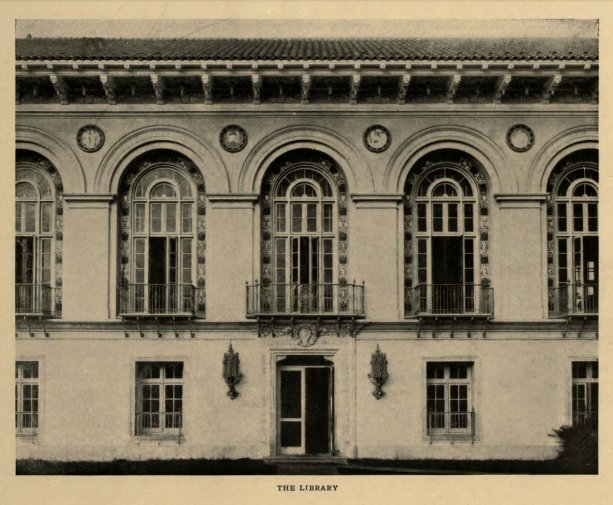
UT Austin operates one of the largest academic library systems in the United States and houses the LBJ Presidential Library. With a student-faculty ratio of 18:1 and strong research programs, the university has produced notable alumni including Dell founder Michael Dell and actor Matthew McConaughey.
What are the career outcomes for The University of Texas at Austin graduates?
Graduates earn a median salary of $75,121 ten years after graduation, with an employment rate of 94.2%. The university maintains an impressive 87.6% six-year graduation rate, reflecting both student success and the value of a Longhorn degree in the job market.
Where do students live at The University of Texas at Austin?
Campus housing accommodates 7,960 students out of the total enrollment of 42,100, meaning most students live off-campus in Austin. The university draws heavily from Texas, with 89.95% of students coming from in-state, creating a strong local connection to the active Austin community.
Does The University of Texas at Austin have strong athletics?
The Longhorns compete in 17 varsity sports at the NCAA Division I level, recently joining the strong Southeastern Conference. With 581 total athletes and over $15 million in athletic scholarships, UT Austin maintains historic rivalries with Texas A&M and Oklahoma while building a national sports reputation.