

About The University of Texas Health Science Center at Houston
Students here graduate with remarkably low debt loads. The median debt of $13,063 translates to monthly loan payments of just $138. Meanwhile, graduates earn a median of $88,757 ten years after completion, making this one of the strongest return-on-investment scenarios in higher education. With 42.6% of students receiving financial aid, the school keeps costs manageable for future healthcare workers. The 85.9% loan repayment rate reflects graduates' strong earning potential.
Women make up 85.9% of the student body, reflecting healthcare's gender demographics. The diverse enrollment includes 33.3% Hispanic students and 29.1% Asian students, mirroring Houston's multicultural population. With a 5:1 student-faculty ratio, students receive intensive mentoring from practicing clinicians and researchers. The 98.8% employment rate demonstrates that graduates are in high demand across Texas's growing healthcare sector.
Academics & Faculty
Source: College Scorecard / U.S. Department of Education
- Student-to-Faculty Ratio
- 5:1
- Full-Time Faculty
- 63.3%
- Median Earnings (10 years)
- $88,757
- Carnegie Classification
- Associate College (High Nontraditional)
Popular Programs by Earnings
| Program | Level | Median Earnings |
|---|---|---|
| Advanced/Graduate Dentistry and Oral Sciences. | Master | $190,536 |
| Registered Nursing, Nursing Administration, Nursing Research and Clinical Nursing. | Doctoral | $119,805 |
| Registered Nursing, Nursing Administration, Nursing Research and Clinical Nursing. | Master | $110,432 |
| Dentistry. | Doctoral | $103,078 |
| Medical Illustration and Informatics. | Master | $72,022 |
| Registered Nursing, Nursing Administration, Nursing Research and Clinical Nursing. | Bachelor | $70,945 |
| Mental and Social Health Services and Allied Professions. | Master | $65,657 |
| Dental Support Services and Allied Professions. | Bachelor | $57,995 |
| Health and Medical Administrative Services. | Master | $57,318 |
| Medicine. | Doctoral | $55,979 |
Campus Life
Students spend most of their time in clinical rotations at nearby hospitals rather than lounging on quads. The 5:1 student-faculty ratio means constant mentorship from practicing physicians and researchers. Houston's subtropical climate requires sunscreen year-round and light jackets for brief winter months. Most students live off-campus in nearby apartments since this is primarily a graduate-level institution. Weekends often involve studying for board exams or completing clinical hours. The 98.8% employment rate reflects the program's intensity and Houston's massive healthcare job market. Social life revolves around study groups and professional organizations rather than traditional college activities. This is medical training, not undergraduate life.
- Setting
- City-Large
- Calendar System
- Semester
Campus Safety (2023)
58 total reported incidents. Source: Clery Act / U.S. Department of Education
| Offense | On Campus | Residential | Noncampus | Public Property |
|---|---|---|---|---|
| Motor Vehicle Theft | 11 | 5 | 1 | 0 |
| Burglary | 12 | 1 | 2 | 0 |
| Domestic Violence | 5 | 3 | 3 | 0 |
| Dating Violence | 2 | 2 | 2 | 0 |
| Aggravated Assault | 1 | 1 | 2 | 1 |
| Fondling | 0 | 0 | 4 | 0 |
Climate & Weather
- January Avg
- 44°–62°F
- July Avg
- 76°–93°F
- Annual Precipitation
- 54.1"
- Annual Snowfall
- 0.0"
Student Demographics
- Men
- 14.1%
- Women
- 85.9%
- White
- 18.7%
- Black
- 12.4%
- Hispanic
- 33.3%
- Asian
- 29.1%
- Pell Grant Recipients
- 42.6%
Location
- Address
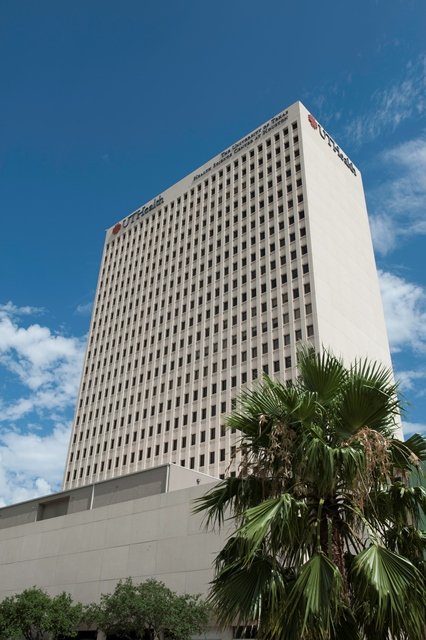
- Houston, Texas 77030
After College
Source: College Scorecard / U.S. Department of Education
- Median Earnings (10 years)
- $88,757
- Median Earnings (5 years)
- $92,893
- Mean Earnings (6 years after entry)
- $71,100
- Loan Repayment Rate
- 85.9%
- Monthly Loan Payment
- $138/mo
- Median Debt at Graduation
- $13,063
Frequently Asked Questions
What makes The University of Texas Health Science Center at Houston unique among medical schools?
The school operates within the world's largest medical center and maintains an exceptionally low 5:1 student-faculty ratio. With only 460 students, it offers intimate training in medicine, dentistry, nursing, and public health. The institution serves as a major pipeline for healthcare professionals throughout Texas.
How much debt do students typically graduate with from The University of Texas Health Science Center at Houston?
Students graduate with a median debt of just $13,063, remarkably low for a health sciences program. Monthly loan payments average only $138, making this one of the most affordable paths to healthcare careers. The loan repayment rate of 85.9% reflects graduates' strong earning potential in medical fields.
What are the employment outcomes for The University of Texas Health Science Center at Houston graduates?
Graduates achieve an impressive 98.8% employment rate, reflecting high demand for healthcare professionals. Median earnings reach $88,757 ten years after graduation, with some recent graduates earning over $92,000 within five years. The school's location in the Texas Medical Center provides exceptional networking and job placement opportunities.
Is The University of Texas Health Science Center at Houston diverse?
The student body is 85.87% women, typical for health sciences programs that attract more female students. Hispanic students make up 33.26% of enrollment while Asian students represent 29.13%, reflecting Houston's multicultural population. This diversity mirrors the patient populations graduates will serve throughout their careers.
Where is The University of Texas Health Science Center at Houston located?
The campus sits in Houston's Texas Medical Center, the world's largest concentration of healthcare institutions. This urban setting provides students with unparalleled clinical training opportunities across multiple hospitals and research facilities. The location offers direct access to modern medical technology and diverse patient populations.
Does The University of Texas Health Science Center at Houston offer financial aid?
About 42.6% of students receive financial aid, with the same percentage qualifying for Pell Grants based on financial need. Despite 71.3% of students taking federal loans, the low debt burden makes this an accessible option for health sciences education. The public university status helps keep costs manageable for Texas residents.
Similar Schools

The University of Texas Medical Branch at Galveston
Galveston, Texas

The University of Texas MD Anderson Cancer Center
Houston, Texas

Texas Tech University Health Sciences Center-El Paso
El Paso, Texas

Western Texas College
Snyder, Texas
Medical University of South Carolina
Charleston, South Carolina

The University of Tennessee Health Science Center
Memphis, Tennessee