

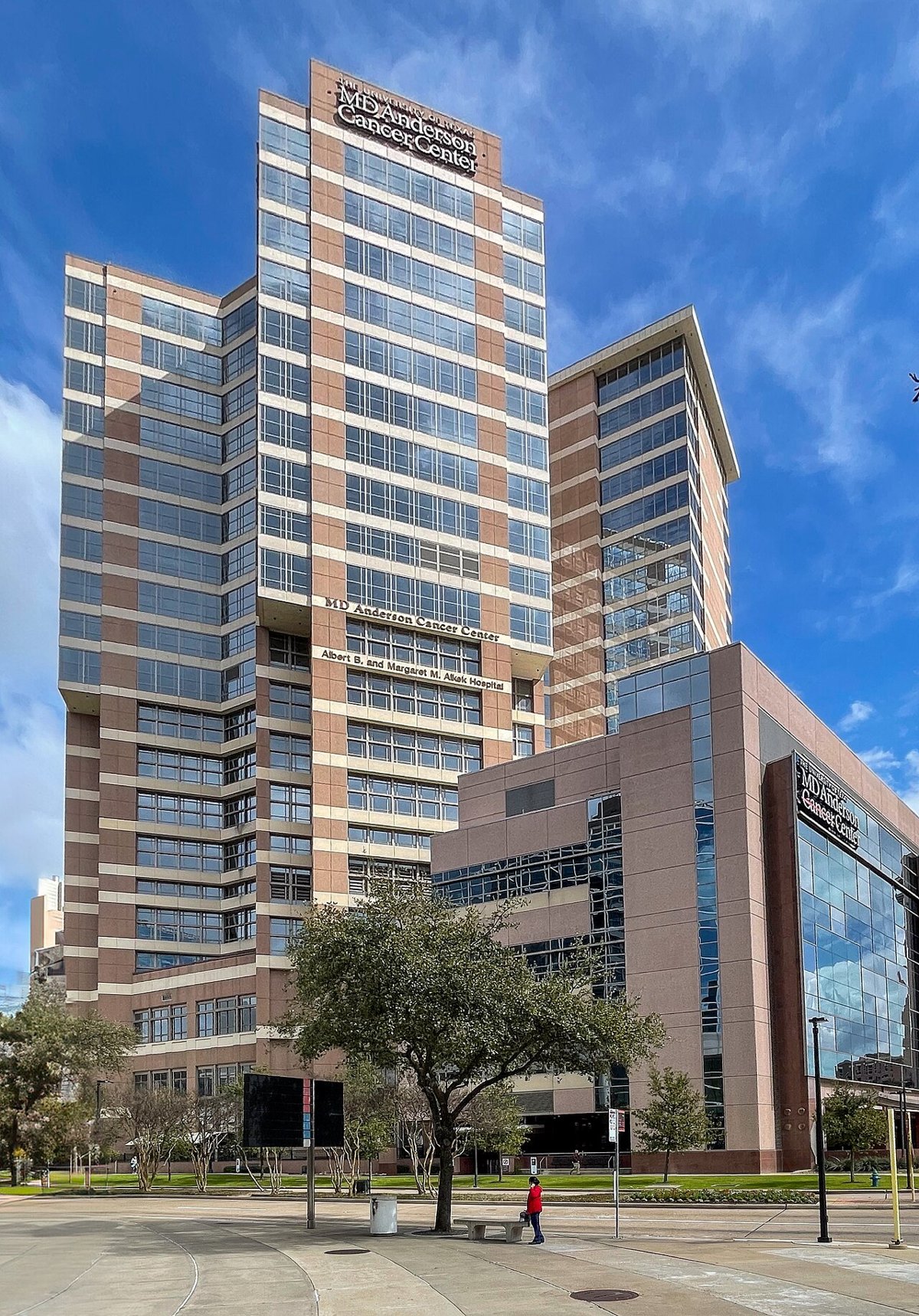
About The University of Texas MD Anderson Cancer Center
The financial picture reflects the school's focus on producing highly skilled specialists. Graduates earn a median of $90,232 ten years after completion, well above the national average for biomedical programs. Students graduate with a median debt of just $12,500, making this one of the most affordable paths to a lucrative career in cancer research. Only 32% of students need financial aid, and monthly loan payments average a manageable $133. The return on investment is strong given the specialized training and earning potential.
The student body is predominantly female at 79%, reflecting broader trends in biomedical sciences. Hispanic students make up 38% of enrollment while Asian students represent 26%, creating a diverse research community. With a 99% employment rate, graduates typically move directly into research positions at major medical centers or pharmaceutical companies.
Academics & Faculty
Source: College Scorecard / U.S. Department of Education
- Student-to-Faculty Ratio
- 9:1
- Full-Time Faculty
- 100.0%
- Median Earnings (10 years)
- $90,232
- Carnegie Classification
- Associate College (High Career)
Campus Life
Houston's humid subtropical climate requires year-round air conditioning more than winter coats. Students spend weekends catching up on research, attending medical conferences, or exploring Houston's well-known food scene downtown. The Medical Center operates like a small city within Houston, with its own shuttle system connecting hospitals and research facilities. Campus life revolves around labs, libraries, and clinical rotations rather than traditional college activities. The 25.78% Asian student population and 37.58% Hispanic enrollment reflect both Houston's diversity and medicine's international appeal. Students often collaborate across MD Anderson's research institutes, creating tight-knit cohorts focused on cancer breakthroughs. Most live in nearby apartments since this specialized graduate program doesn't offer traditional dormitories.
- Setting
- City-Large
- Calendar System
- Semester
- Founded
- 1941
Campus Safety (2023)
30 total reported incidents. Source: Clery Act / U.S. Department of Education
| Offense | On Campus | Residential | Noncampus | Public Property |
|---|---|---|---|---|
| Domestic Violence | 8 | 0 | 1 | 0 |
| Fondling | 8 | 0 | 0 | 0 |
| Burglary | 5 | 0 | 0 | 0 |
| Motor Vehicle Theft | 4 | 0 | 1 | 0 |
| Stalking | 3 | 0 | 0 | 0 |
Climate & Weather
- January Avg
- 44°–62°F
- July Avg
- 76°–93°F
- Annual Precipitation
- 54.1"
- Annual Snowfall
- 0.0"
Student Demographics
- Men
- 21.1%
- Women
- 78.9%
- White
- 21.7%
- Black
- 6.8%
- Hispanic
- 37.6%
- Asian
- 25.8%
- Pell Grant Recipients
- 32.1%
Location
- Address
- Houston, Texas 77030-4009

After College
Source: College Scorecard / U.S. Department of Education
- Median Earnings (10 years)
- $90,232
- Mean Earnings (6 years after entry)
- $64,500
- Loan Repayment Rate
- 78.9%
- Monthly Loan Payment
- $133/mo
- Median Debt at Graduation
- $12,500
Frequently Asked Questions
What are the admission requirements at The University of Texas MD Anderson Cancer Center?
MD Anderson accepts only graduate students into its specialized cancer research programs, with an enrollment of just 322 students. The school maintains an extremely selective 9:1 student-to-faculty ratio that reflects its focus on intensive research mentorship in oncology.
How much does The University of Texas MD Anderson Cancer Center cost after financial aid?
Students graduate with a median debt of just $12,500, making monthly loan payments of $133. Only 32% of students receive financial aid, reflecting the school's focus on funded graduate research positions in cancer science.
What academic programs does The University of Texas MD Anderson Cancer Center offer?
The school operates exclusively as a graduate school of biomedical sciences specializing in cancer research. Founded in 1941, it has built a reputation as one of the world's top institutions for oncology research and treatment innovation.
What are the career outcomes for The University of Texas MD Anderson Cancer Center graduates?
Graduates achieve a 98.9% employment rate with median earnings of $90,232 ten years after graduation. The loan repayment rate of 78.89% reflects strong career prospects in cancer research and medical fields.
Where is The University of Texas MD Anderson Cancer Center located and what is campus life like?
The campus sits in Houston's Texas Medical Center, the world's largest medical complex. With 78.88% women and a diverse student body that is 37.58% Hispanic and 25.78% Asian, the small community focuses entirely on advancing cancer treatment and research.
Does The University of Texas MD Anderson Cancer Center have undergraduate programs?
MD Anderson offers no undergraduate programs and operates solely as a graduate research institution focused on cancer. The school's unique mission of combining modern oncology research with clinical application sets it apart from traditional universities.
Similar Schools

Texas Tech University Health Sciences Center-El Paso
El Paso, Texas

The University of Texas Health Science Center at Houston
Houston, Texas
Carolinas College of Health Sciences
Charlotte, North Carolina

Reid State Technical College
Evergreen, Alabama

Los Angeles County College of Nursing and Allied Health
Los Angeles, California
Lamar Community College
Lamar, Colorado