About Thomas Jefferson University
The financial picture works well for most families, with students paying an average of $28,163 after aid despite the $45,683 sticker price. Graduates earn a median of $77,449 ten years after graduation, making the typical debt load of $14,744 very manageable with monthly payments of just $156. The 97% employment rate shows that employers actively recruit Thomas Jefferson graduates, and the loan repayment rate of 87.24% indicates most alumni can handle their debt comfortably.
The student body reflects Philadelphia's diversity, with 45.23% white students, 16.72% Asian, 15.40% Black, and 13.13% Hispanic students creating a learning environment that mirrors the patients future healthcare workers will serve. The 13:1 student-faculty ratio means plenty of personal attention during clinical training, and the 68.20% six-year graduation rate reflects the demanding but achievable nature of health sciences programs.
Academics & Faculty
Source: College Scorecard / U.S. Department of Education
- Student-to-Faculty Ratio
- 13:1
- Full-Time Faculty
- 40.5%
- Graduation Rate (4-year)
- 67.9%
- Graduation Rate (6-year)
- 68.2%
- Retention Rate
- 82.0%
- Median Earnings (10 years)
- $77,449
- Carnegie Classification
- Doctoral University (R2)
Popular Programs by Earnings
| Program | Level | Median Earnings |
|---|---|---|
| Pharmacy, Pharmaceutical Sciences, and Administration. | Doctoral | $117,418 |
| Allied Health Diagnostic, Intervention, and Treatment Professions. | Master | $111,100 |
| Registered Nursing, Nursing Administration, Nursing Research and Clinical Nursing. | Master | $102,706 |
| Taxation. | Master | $81,812 |
| Allied Health Diagnostic, Intervention, and Treatment Professions. | Bachelor | $72,320 |
| Registered Nursing, Nursing Administration, Nursing Research and Clinical Nursing. | Bachelor | $70,761 |
| Rehabilitation and Therapeutic Professions. | Doctoral | $70,680 |
| Health and Medical Administrative Services. | Master | $63,997 |
| Rehabilitation and Therapeutic Professions. | Master | $62,579 |
| Medicine. | Doctoral | $59,730 |
Campus Life
With 73.81% women and a heavy focus on health sciences, the social scene revolves around study groups and clinical rotations rather than traditional college parties. Students often spend weekends exploring Philadelphia's museums, restaurants, and professional sports teams, or taking the short train ride to New York City or Washington DC. The 13:1 student-to-faculty ratio means you'll know your professors personally, which matters when you're preparing for medical school or health careers. Campus life blends the intensity of health sciences training with the cultural richness of living in a major city.
- Setting
- City-Large
- Housing Capacity
- 2,080 beds
- Calendar System
- Semester
- Study Abroad
- Available
- Founded
- 1824
Campus Safety (2023)
17 total reported incidents. Source: Clery Act / U.S. Department of Education
| Offense | On Campus | Residential | Noncampus | Public Property |
|---|---|---|---|---|
| Fondling | 6 | 0 | 0 | 0 |
| Motor Vehicle Theft | 0 | 0 | 0 | 5 |
| Aggravated Assault | 3 | 0 | 0 | 0 |
| Robbery | 2 | 0 | 0 | 0 |
| Burglary | 1 | 0 | 0 | 0 |
Climate & Weather
- January Avg
- 27°–41°F
- July Avg
- 71°–89°F
- Annual Precipitation
- 50.7"
- Annual Snowfall
- 16.1"
Student Demographics
- Men
- 26.2%
- Women
- 73.8%
- White
- 45.2%
- Black
- 15.4%
- Hispanic
- 13.1%
- Asian
- 16.7%
- In-State Students
- 57.7%
- Pell Grant Recipients
- 33.9%
Location
- Address
- Philadelphia, Pennsylvania 19107
After College
Source: College Scorecard / U.S. Department of Education
- Median Earnings (10 years)
- $77,449
- Median Earnings (5 years)
- $73,911
- Mean Earnings (6 years after entry)
- $67,600
- Loan Repayment Rate
- 87.2%
- Monthly Loan Payment
- $156/mo
- Median Debt at Graduation
- $14,744
Frequently Asked Questions
What is the acceptance rate at Thomas Jefferson University?
Thomas Jefferson University accepts 88.85% of applicants with an average SAT score of 1240. This health sciences-focused institution welcomes students who are serious about healthcare careers but maintains academic standards that prepare graduates for rigorous professional programs.
How much does Thomas Jefferson University cost after financial aid?
Students pay an average net price of $28,163 annually, lower than the sticker price of $45,683 in tuition. The university provides substantial institutional grants averaging $32,486 to 18.42% of students, making this private health sciences education more accessible.
What is the student-faculty ratio at Thomas Jefferson University?
The university maintains a 13:1 student-faculty ratio across its health sciences programs with 3,708 enrolled students. This intimate learning environment is essential for hands-on medical training and allows for personalized mentorship in clinical settings.
How much do Thomas Jefferson University graduates earn?
Graduates earn a median salary of $77,449 ten years after graduation, reflecting the strong earning potential in healthcare fields. The 97.0% employment rate demonstrates the high demand for Jefferson's health sciences graduates in the job market.
Where do students live at Thomas Jefferson University?
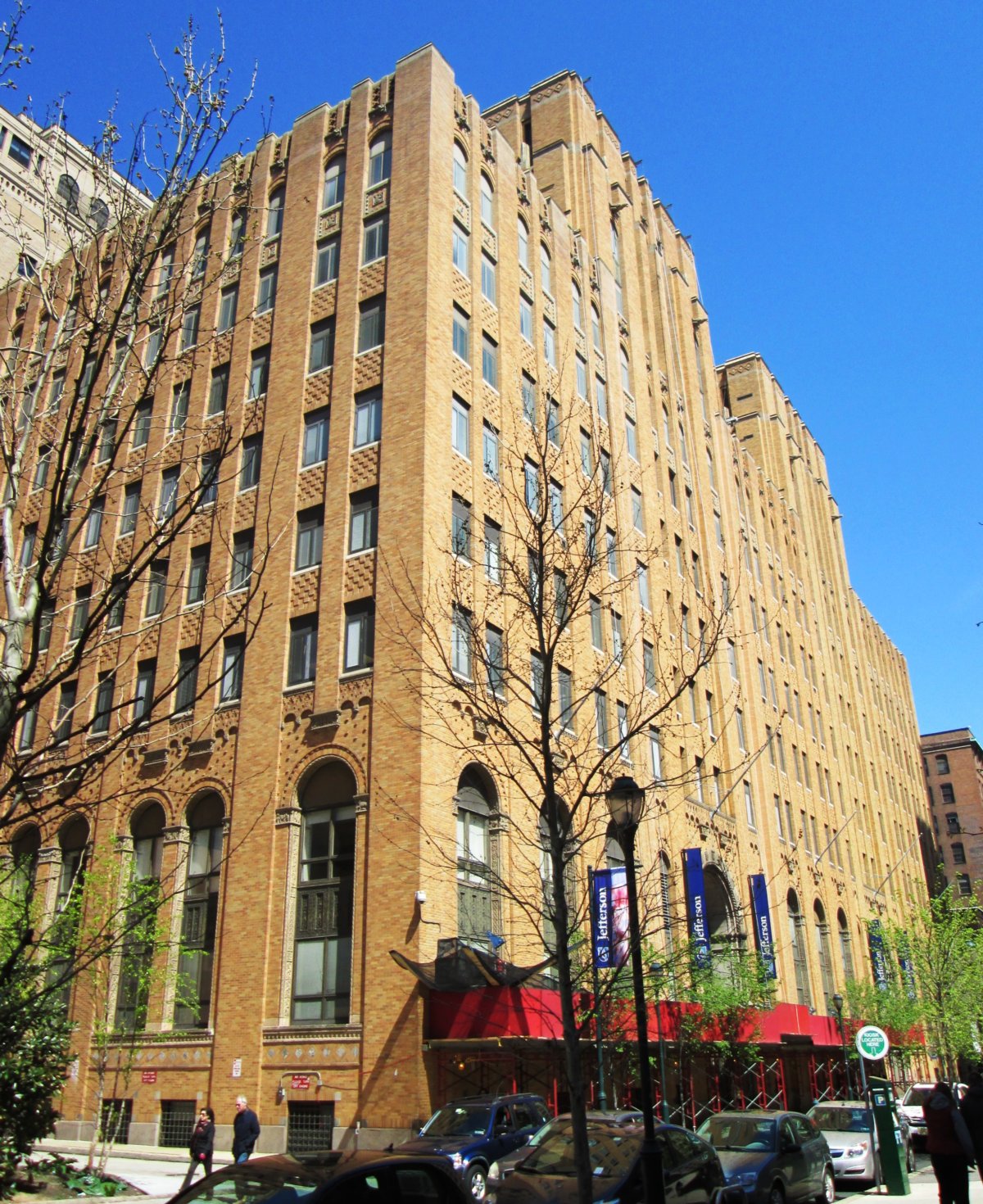
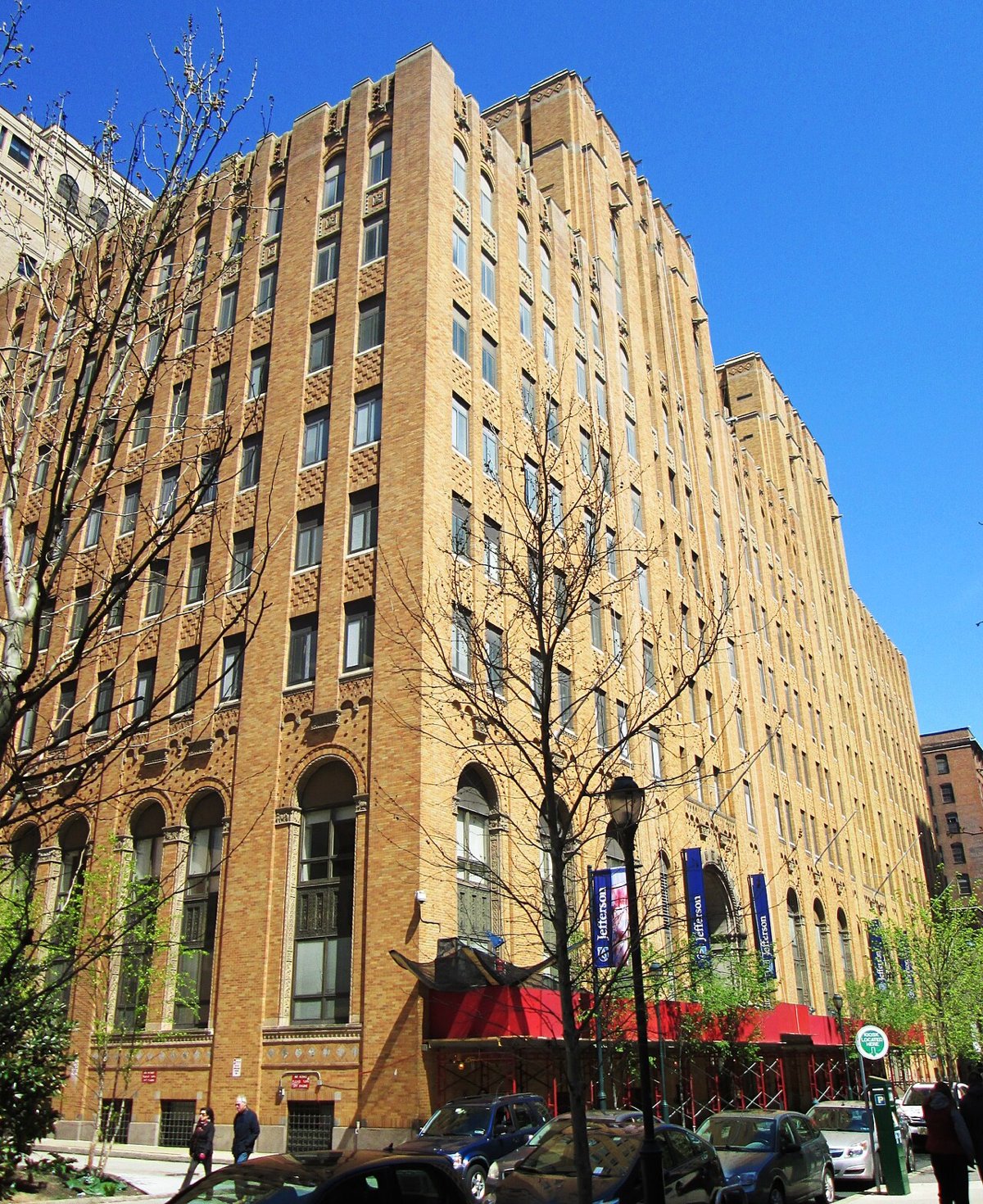
The university houses students in facilities with a capacity of 2,080 in downtown Philadelphia. Campus life serves the 26.19% male and 73.81% female student body, reflecting the gender distribution typical of health sciences programs.
Does Thomas Jefferson University have strong diversity?
The student body is 45.23% White, 16.72% Asian, 15.40% Black, and 13.13% Hispanic, creating a diverse learning environment. This diversity mirrors the patient populations that health sciences graduates will serve in their professional careers.